


Waking Up the Red Yew Treasure
Alongside the conservation of rare natural red yew populations linked with tourism development, the propagation and establishment of raw material gardens for research and the development of commercial herbal tea products are opening up a new direction to unlock the value of the Lam Vien plateau treasure.
Establishing Raw Material Gardens Linked with Processing
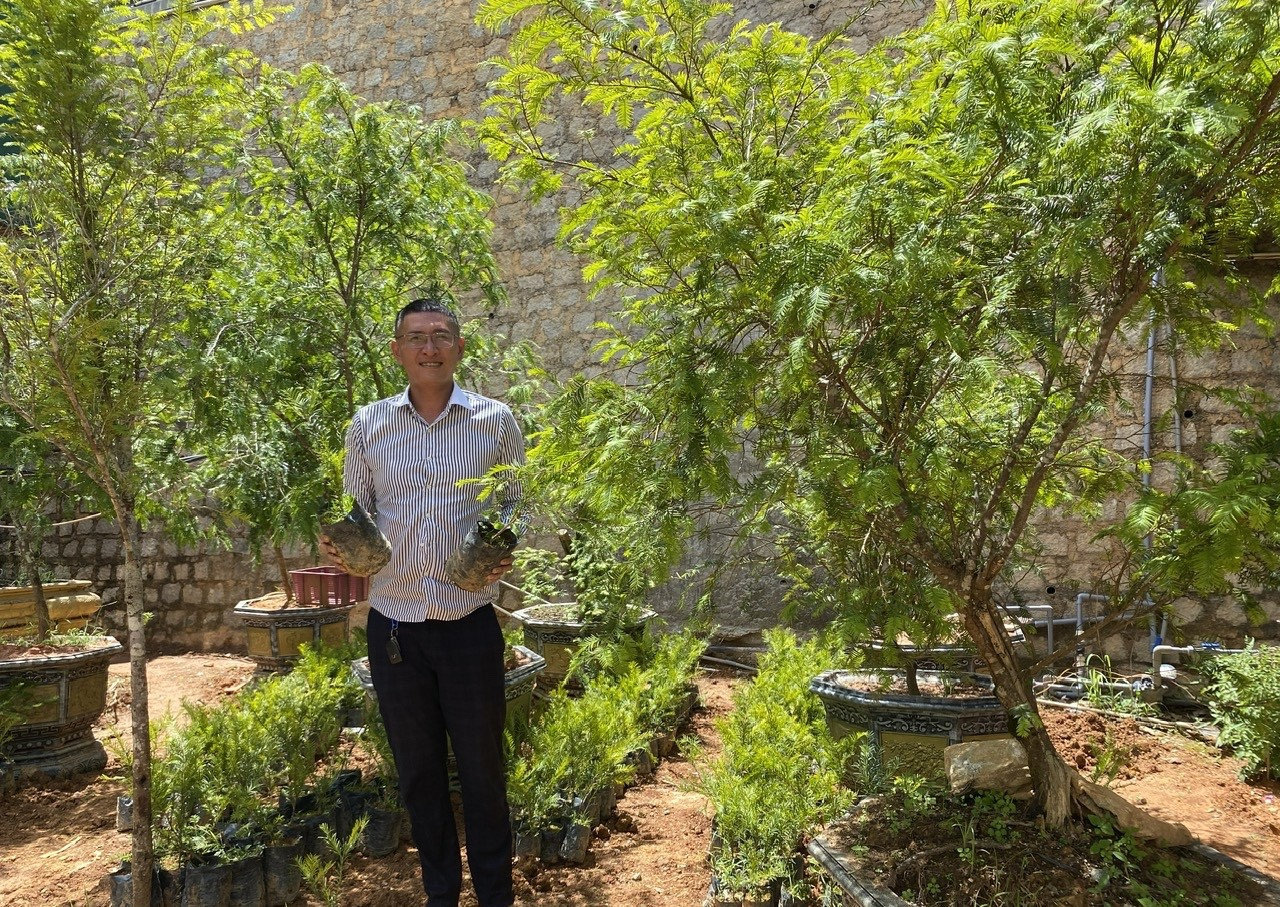
To simultaneously conserve genetic resources and research and promote the value of red yew, since the early 2000s, a central scientific research unit has successfully experimented with red yew cultivation techniques using seed propagation and cutting methods at altitudes of 1,300 to 1,700 meters in Lam Dong. Gaining access to this seed source, many farming households in Tram Hanh, Xuan Truong, and Xuan Tho areas of the former Da Lat city (now Xuan Truong - Da Lat Ward ) cooperated with forestry units to plant and expand model red yew gardens to serve research and product development.
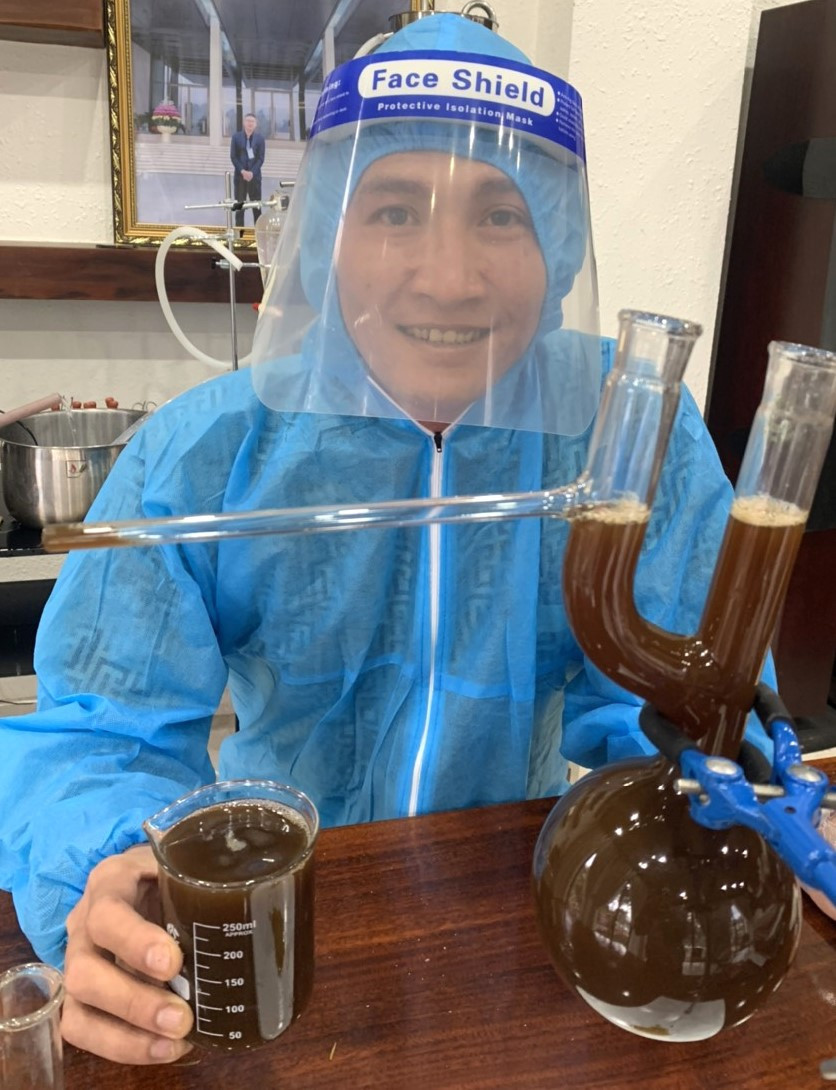
Duong Ngoc Hiep in Xuan Truong - Da Lat Ward, after years of participating in social charity activities at a large enterprise in the province and meeting many people facing difficult circumstances due to cancer, implemented the idea of processing red yew branches, leaves, and various herbs gathered from raw material gardens to contribute to supporting immune functions and protecting human health. Besides learning from leading domestic herbal experts and traditional physicians, Hiep consulted world scientific literature combined with practical blending practices with other medicinal plants, painstakingly perfecting the process over a long period to create a product with optimal commercial value.
By mid-2025, Hiep established an enterprise and introduced to the market a blended red yew filter tea product combined with 20 other herbs, achieving positive results. The product has not only been positively evaluated by customers for the health benefits associated with red yew but has also been honored for Asian quality and as a leading ASEAN brand by the Vietnam Union of Science and Technology Associations.
Notably, in June 2026, the University of Medicine and Pharmacy, Hue University cooperated with and supported Hiep's enterprise in evaluating the red yew leaf medicinal materials from the over 1-hectare garden in Xuan Truong - Da Lat Ward, confirming a high content of the active ingredient 10-deacetylbaccatin III (10-DAB III). At the same time, these raw material samples were also independently tested at the Center for Drug, Cosmetics, and Food Testing of the Hue City Department of Health, which confirmed a quantification of 2.8 mg/g of the active ingredient 10-DAB III, contributing to ensuring objectivity and data reliability for establishing product quality standards.
Conservation Coupled with Value Exploitation
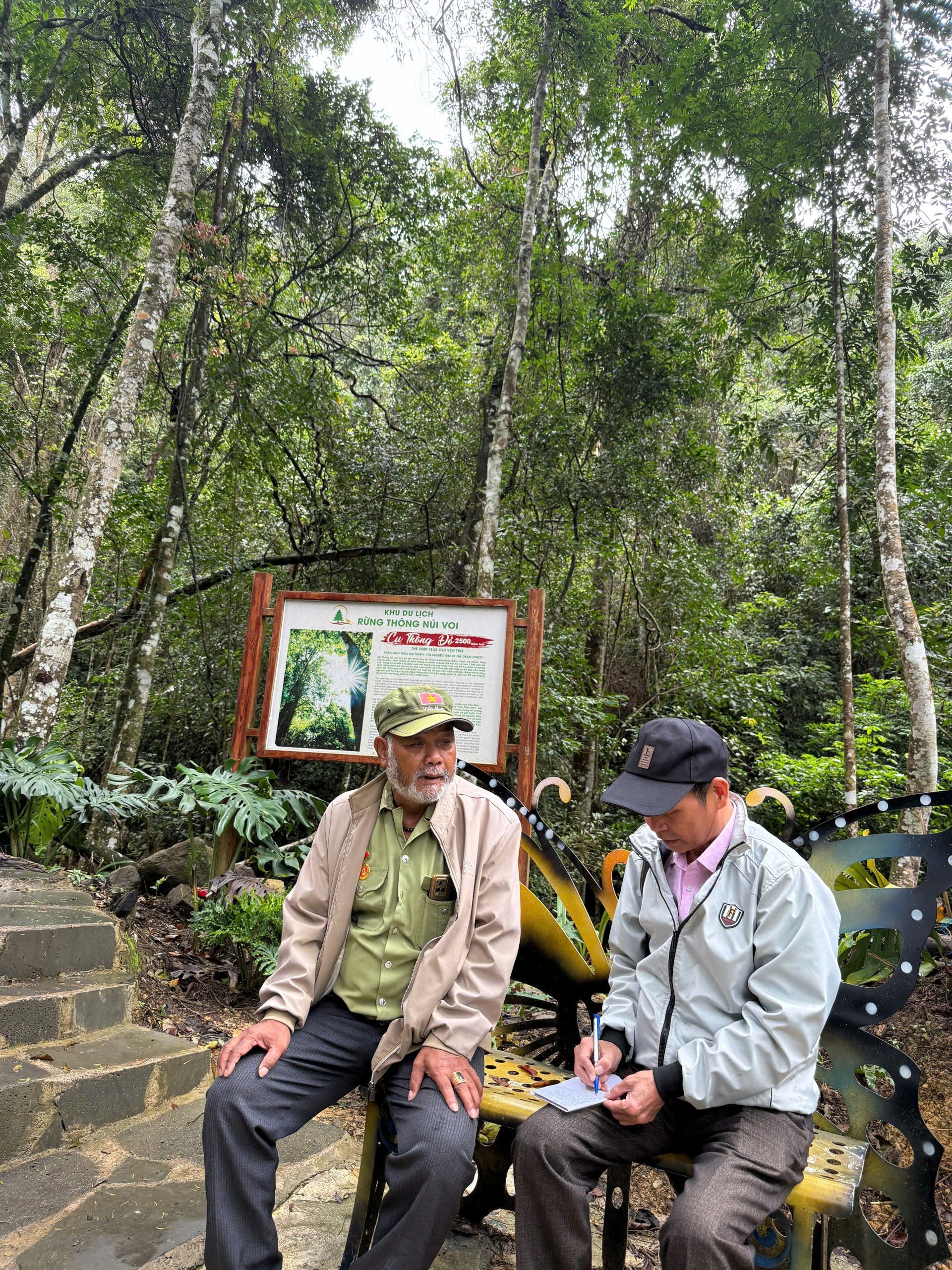
Through surveys, the natural long-leaf red yew forest in the Voi Mountain area, Hiep Thanh Commune features more than 1,000 trees belonging to the forest compartment of the Duc Trong Protection Forest Management Board. Among them, about 224 trees with special conservation value have been numbered and registered for monitoring across a total area of about 400 hectares, concentrated in sub-compartments 268 and 277A. Specifically, the Voi Mountain Pine Forest Ecotourism Site manages 59 trees, while Phuong Mai Services and Trading Joint Stock Company manages 3 trees.
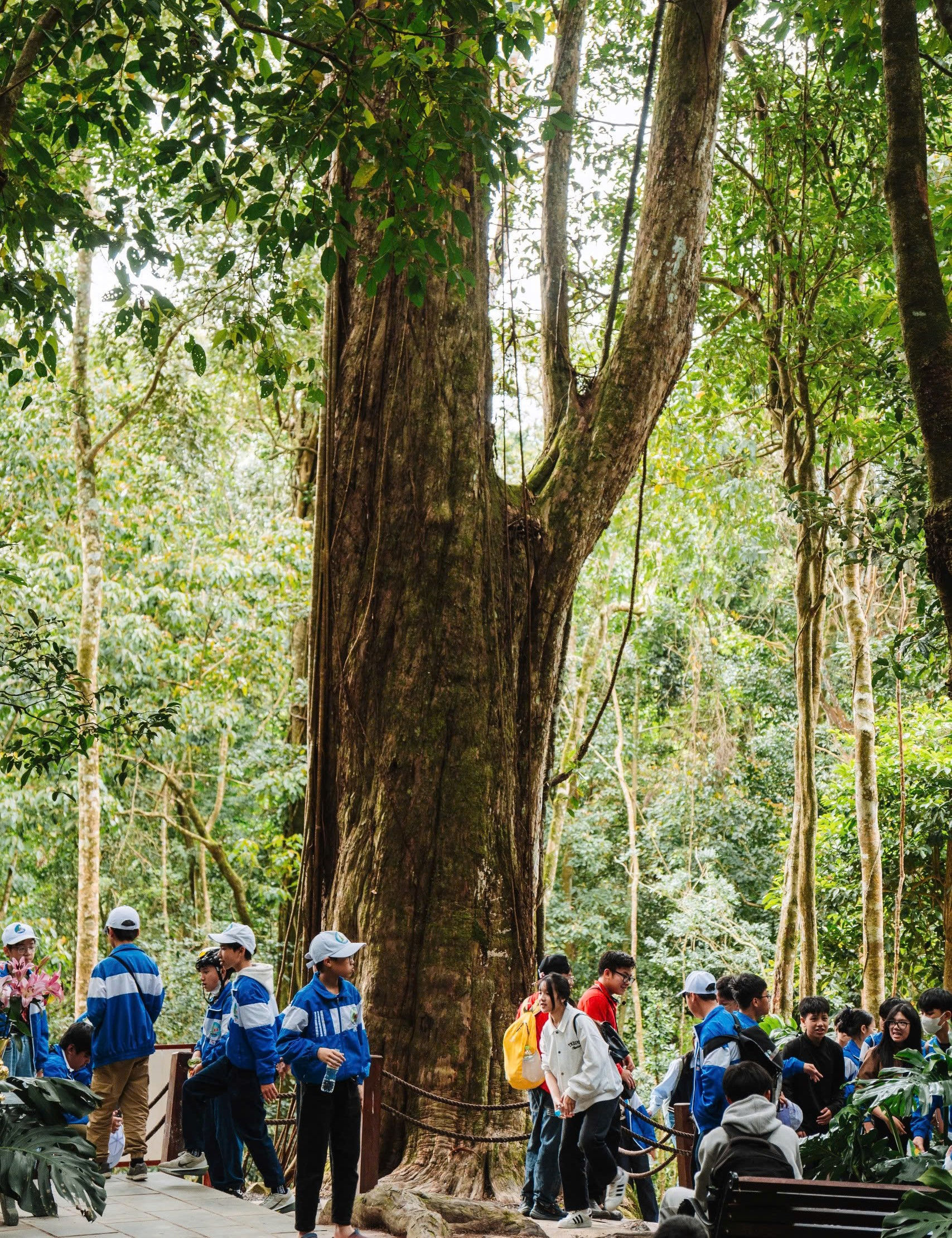
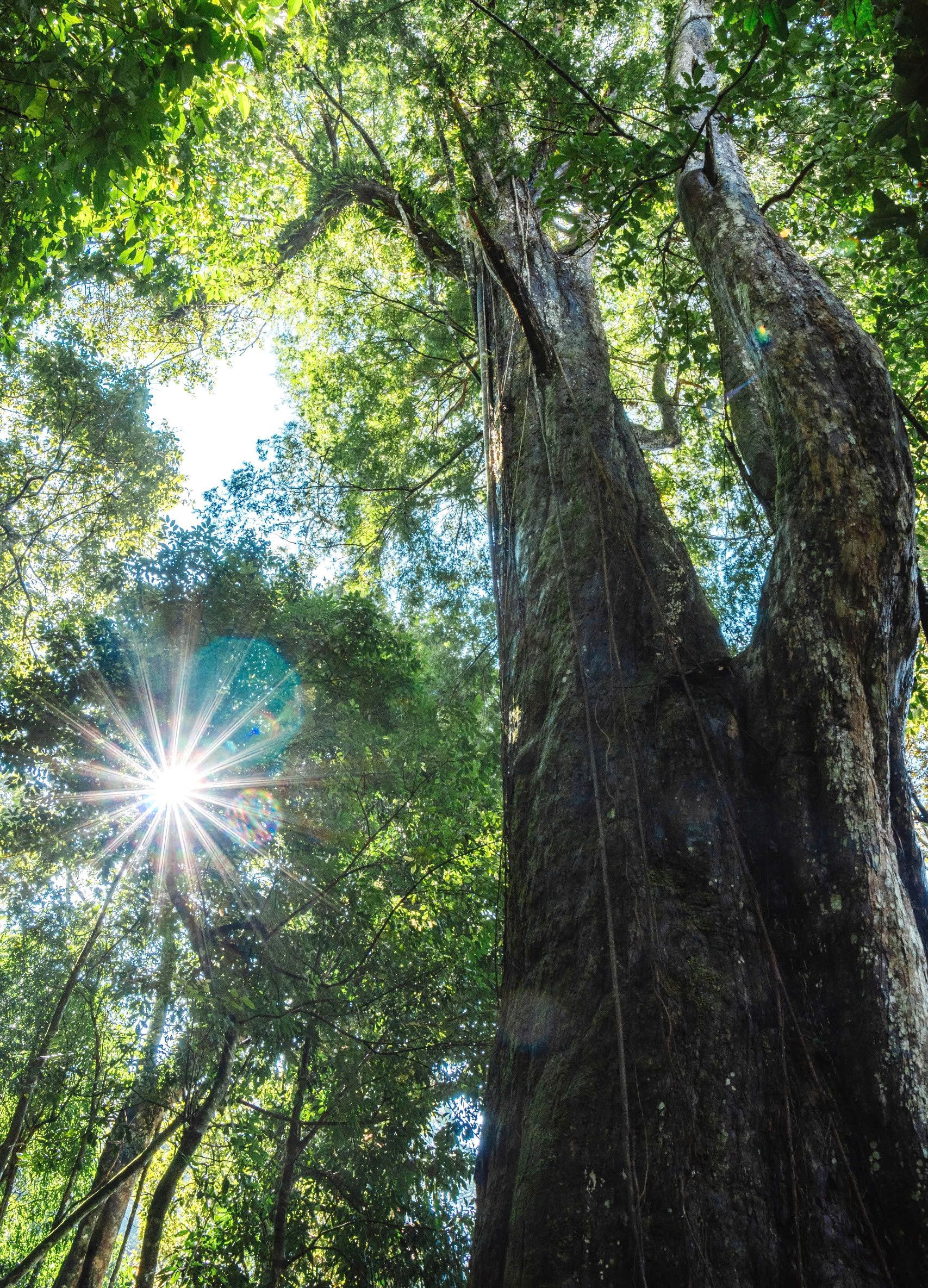
Huynh Minh Hung, Deputy Head of the Duc Trong Forest Protection Station, noted: The Voi Mountain red yew population contains many ancient trees estimated to be between 500 and 2,500 years old. Some trees stand 30 meters tall with trunk diameters of 1.5 meters, featuring spreading canopies and prominent root systems. Red yew grows very slowly and possesses low natural regeneration capacity, yet holds exceptional value in terms of genetic resources, biodiversity, landscape, and medicinal research...
Since the beginning of 2026, the Duc Trong Forest Protection Station has continued field inspections and monitoring to conserve the long-leaf red yew species in the area. Monthly and quarterly, the station utilizes GIS technology and flycams to map natural distribution, survey quantities, and monitor the development status of each population.
Under the guidance of the Duc Trong Forest Protection Station, forest owner units have been actively carrying out cooperative activities to strictly protect the red yew treasure within their assigned forest compartments. These efforts include regularly organizing patrols, establishing management records for individual trees and existing red yew populations in sub-compartments 268 and 277A; formulating and implementing forest fire prevention and fighting plans; strengthening checkpoints; and coordinating between specialized forest protection forces and local authorities and residential communities to promptly prevent acts of logging, destruction, or negative impacts on the red yew habitat. Furthermore, residents in bordering areas are mobilized to participate in forest protection in general and the protection of red yew populations in particular.
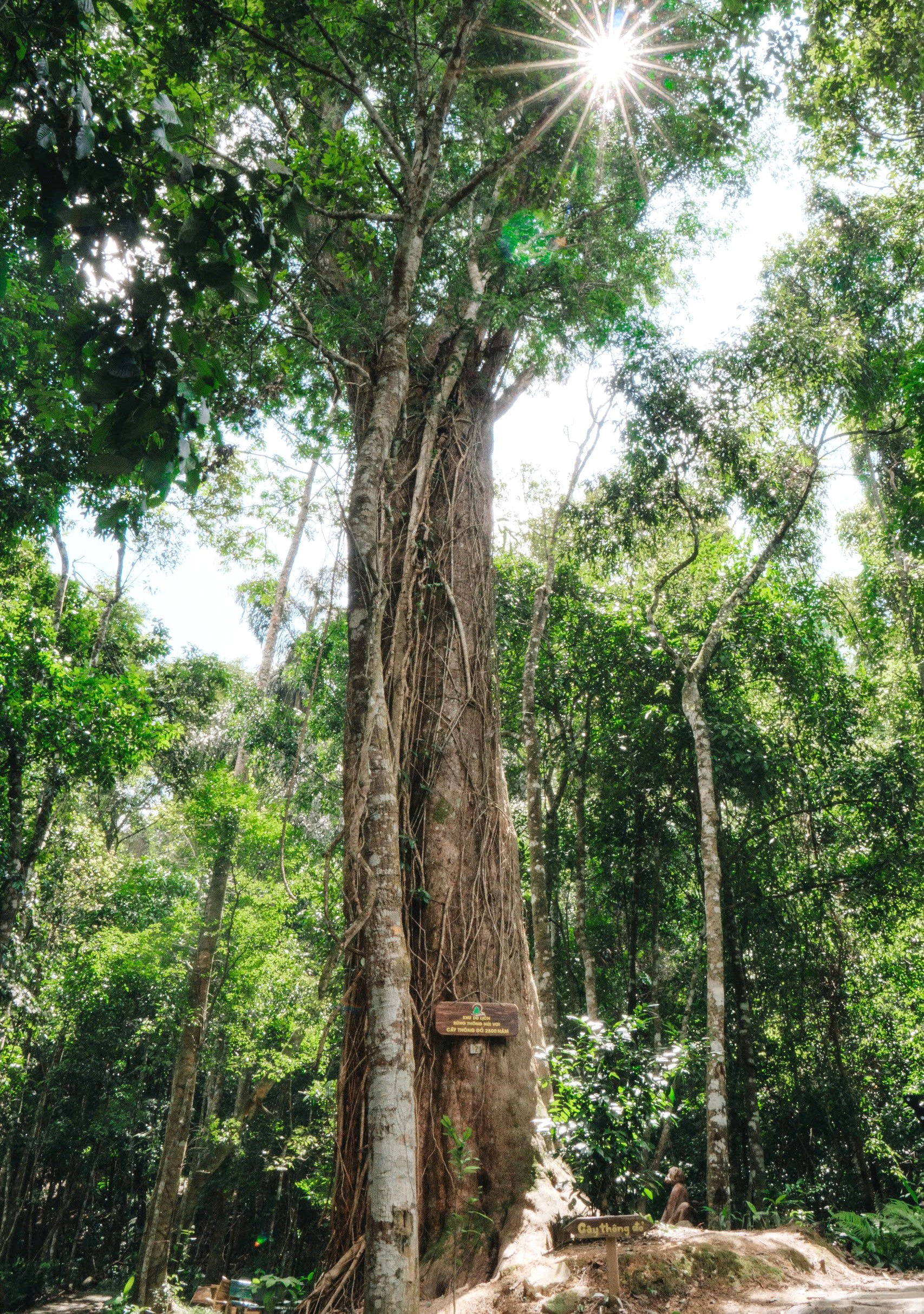
Notably, within the 100-hectare primeval forest housing two ancient red yew trees aged 2,000 and 2,500 years old, the Voi Mountain Pine Forest Ecotourism Site has opened an ecological tourism route for exploration and experiences, attracting a fairly large volume of visitors over the past three years. Nguyen Huu Tuan Huy, Managing Director of the tourism site, stated that in forest management and protection work, reputable village elders and specialized staff are deployed to explain the ecological characteristics and conservation value of red yew genetic resources, contributing to raising community awareness and responsibility for protecting a green and sustainable natural environment.
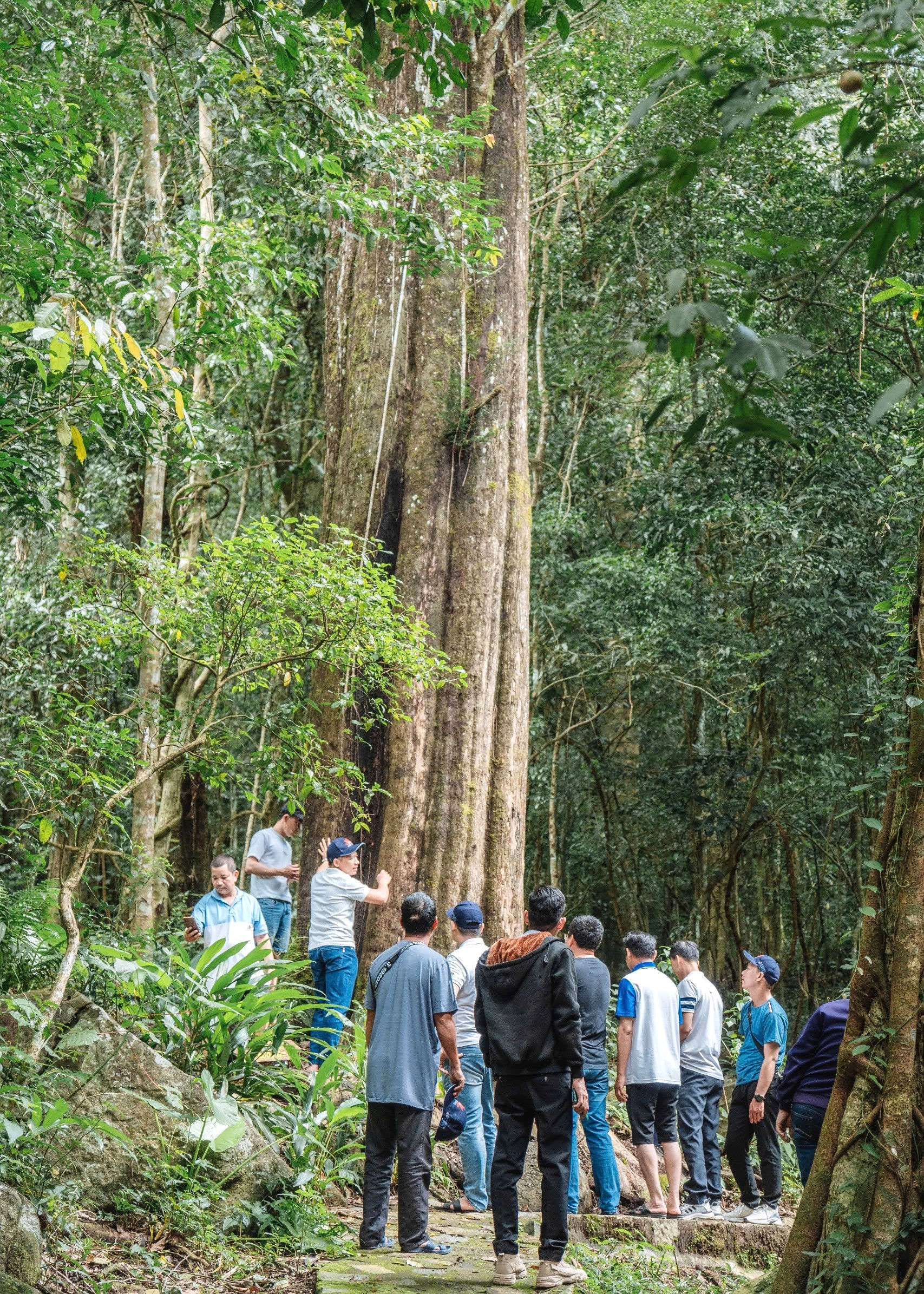
The Voi Mountain Pine Forest Ecotourism Site identifies the ancient red yew trees as living treasures of the forest, preserving genetic resources and the traces of the ecosystem over thousands of years. Therefore, conservation requirements must be given the highest priority to protect the entire developing habitat zone according to a green and sustainable value chain..., Nguyen Huu Tuan Huy emphasized.
The long-leaf red yew (Taxus wallichiana Zucc), distributed mainly in the Voi Mountain area of Hiep Thanh Commune, possesses exceptional value concerning genetic resources, biodiversity, landscape, and medicinal research. Notably, the plant contains the active ingredient paclitaxel used to produce medications supporting cancer treatment. This is an endangered, precious, and rare forest plant species belonging to Group IA, prioritized for protection under Appendix II of the CITES Convention.