


When Community Tourism Tells the Story of Lam Dong’s Villages
Lam Dong Province is promoting community-based tourism closely linked to agricultural production, traditional craft villages and the daily cultural life of ethnic minority communities. This approach is regarded as a valuable asset, attracting visitors while preserving local identity and livelihoods.
Promoting Agricultural Strengths
Every single avocado, flower, or fresh green vegetable at Avocado Farm (Quang Loi Hamlet, Quang Lap Commune) is not only the result of fertile land and hard work, but also carries stories of livelihoods and aspirations for a better life among farmers deeply rooted in their homeland.
Mr. Phan Thanh Nhan, founder of the Avocado Farm agritourism site, said the farm goes beyond agricultural production by gradually linking with local farming households to build a value chain around regional specialty products. Each harvest season, therefore, is not merely about gains or losses, but a journey of preserving land, protecting the environment, and ensuring sustainable livelihoods for the community.
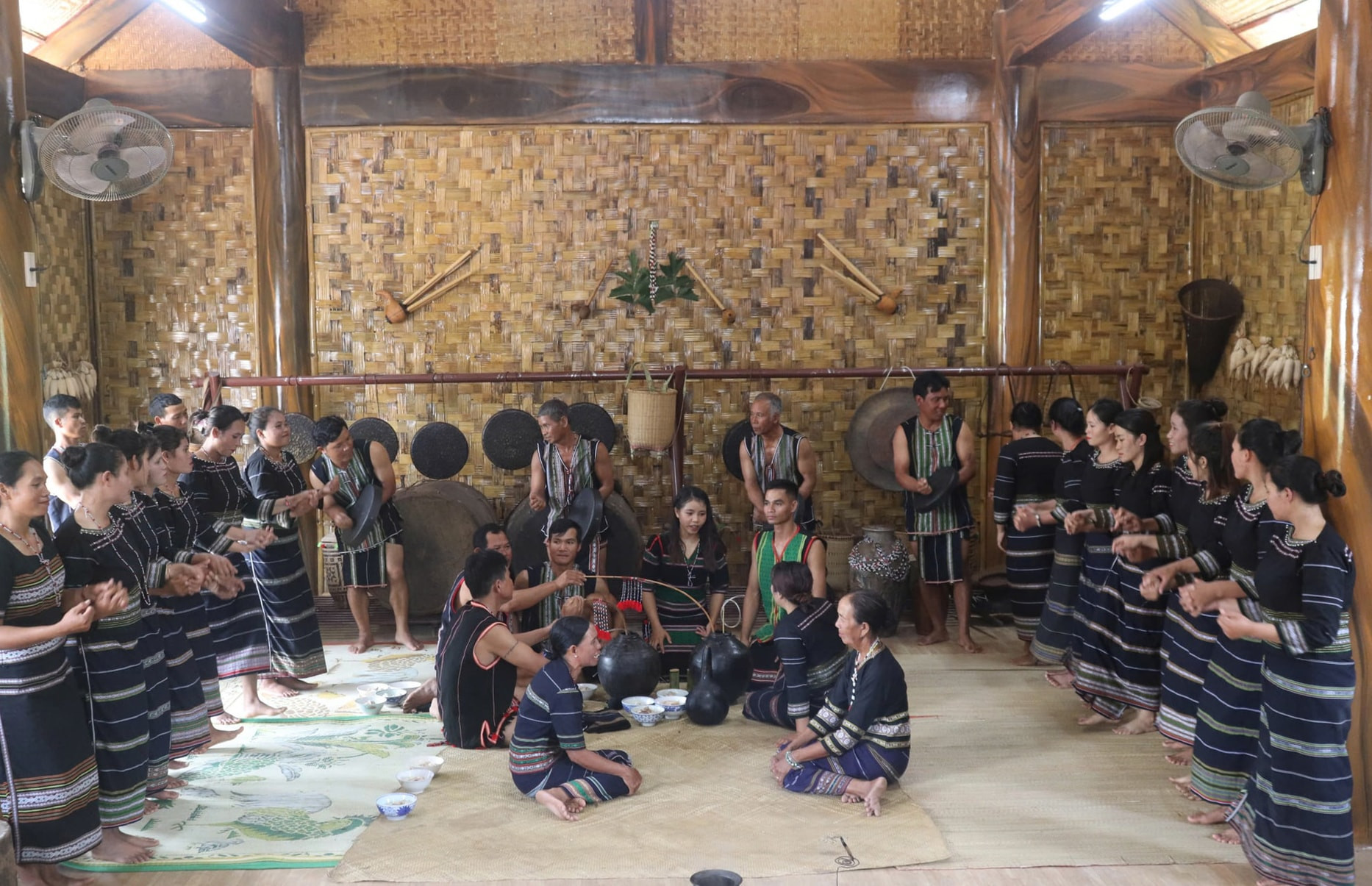
In Quang Lap Commune, alongside agricultural strengths, ethnic minority communities also preserve distinctive cultural values of the Churu people through traditional crafts such as silver ring making, unglazed pottery, and bamboo weaving. Though seemingly modest, these crafts are vital “pieces” that create unique tourism experiences, where visitors not only observe but also touch, listen, and feel the cultural depth of the community.
However, a current limitation is that local people still lack the skills to tell their own stories—stories of land, crafts, culture, and the journey of preserving their identity. This remains a key challenge that needs to be addressed through training in tourism skills, communication, and storytelling to inspire visitors.
Great potential and spaces for Growth
According to the Department of Culture, Sports and Tourism, Lam Dong is home to 49 ethnic groups, including indigenous peoples and groups migrating from northern regions, creating a diverse and culturally rich landscape. Each ethnic minority community has its own characteristics in lifestyle, housing architecture, customs, festivals, production activities, and traditional crafts. These cultural assets form a valuable foundation for developing community-based tourism, helping preserve and promote the cultural and historical identities of ethnic groups.
In addition, Lam Dong’s terrain—dominated by highlands and fertile basalt soil—combined with a cool climate, provides favorable conditions for developing perennial industrial crops, temperate flowers, fruit orchards, and forestry. Based on these advantages, the province is focusing on three forms of community tourism: tourism linked with agricultural production; tourism associated with traditional craft villages; and tourism connected to the daily cultural life of ethnic minority communities.
Surveys show that infrastructure in ethnic minority areas with tourism potential is still limited. Therefore, issuing initial support policies will help mobilize resources to address existing bottlenecks, thereby facilitating community - based tourism, and strengthening regional connectivity.
At a recent working session with the provincial government, relevant departments and tourism enterprises, Mr. Nguyen Van Loc, Director of the Department of Culture, Sports and Tourism, reaffirmed that community-based tourism is developed on the foundation of community cultural values. It is managed and operated by local residents themselves, who are also the direct beneficiaries. Accordingly, authorities at the commune, ward- and special-zone levels - given their close connection with residents and deep understanding of local potential—will play a central role in advising and implementing the province’s 27 flagship community-based tourism models in an effective and sustainable manner.