


When Culture Becomes a Destination’s Draw
Lam Dong is turning Cham heritage, festivals, crafts and indigenous cultures into distinctive tourism experiences while preserving local identity.
Traces of Cultural Heritage
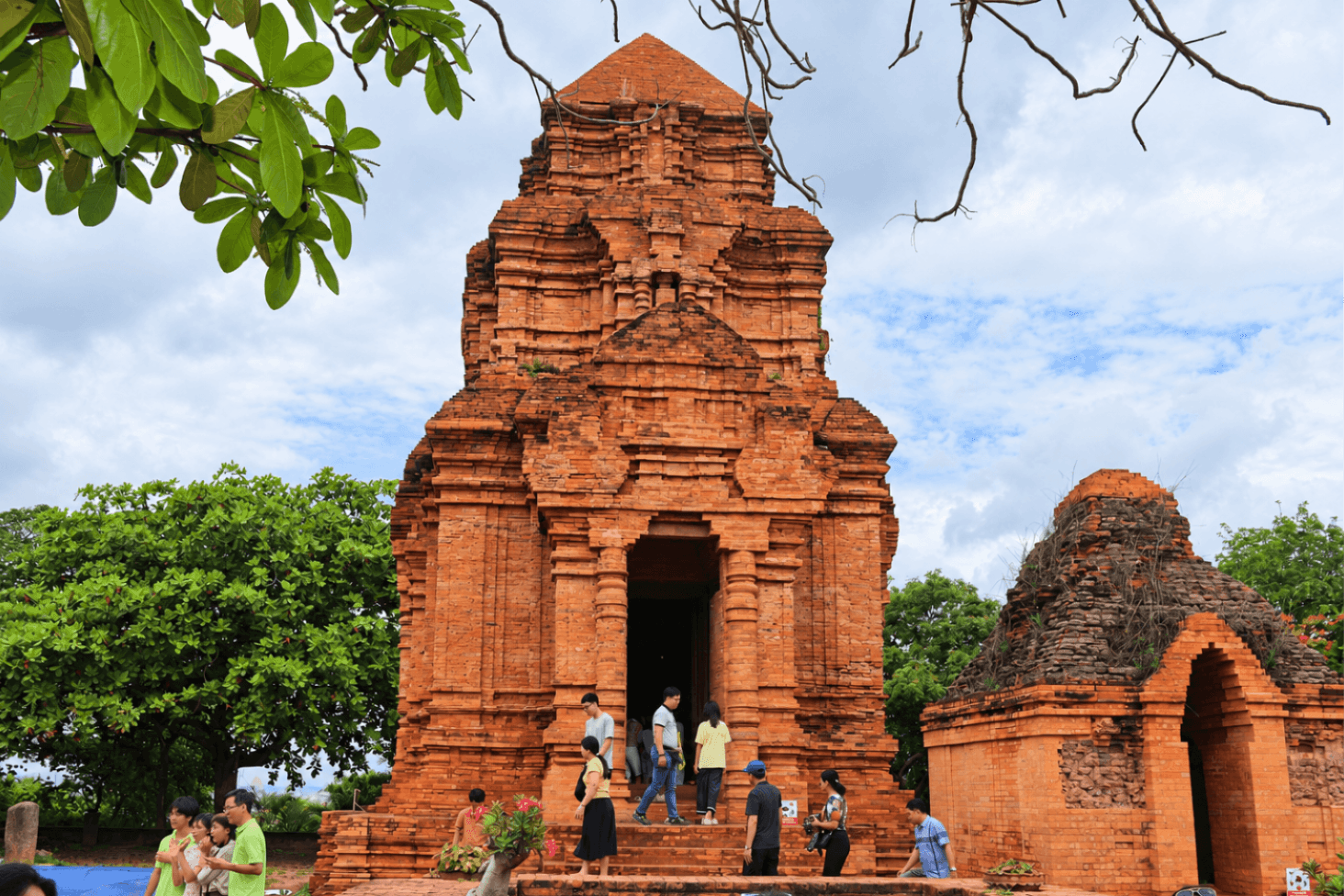
Located on Ba Nai Hill in Phu Thuy Ward, the Pô Sah Inư Tower Complex is one of Lam Dong’s best-preserved ancient Cham monuments, dating back nearly 1,300 years.
Set in an open landscape overlooking the sea, the time-worn towers retain distinctive architectural features and layers of cultural significance accumulated over the centuries. The complex is also a key stop on Lam Dong’s eastern tourism route.
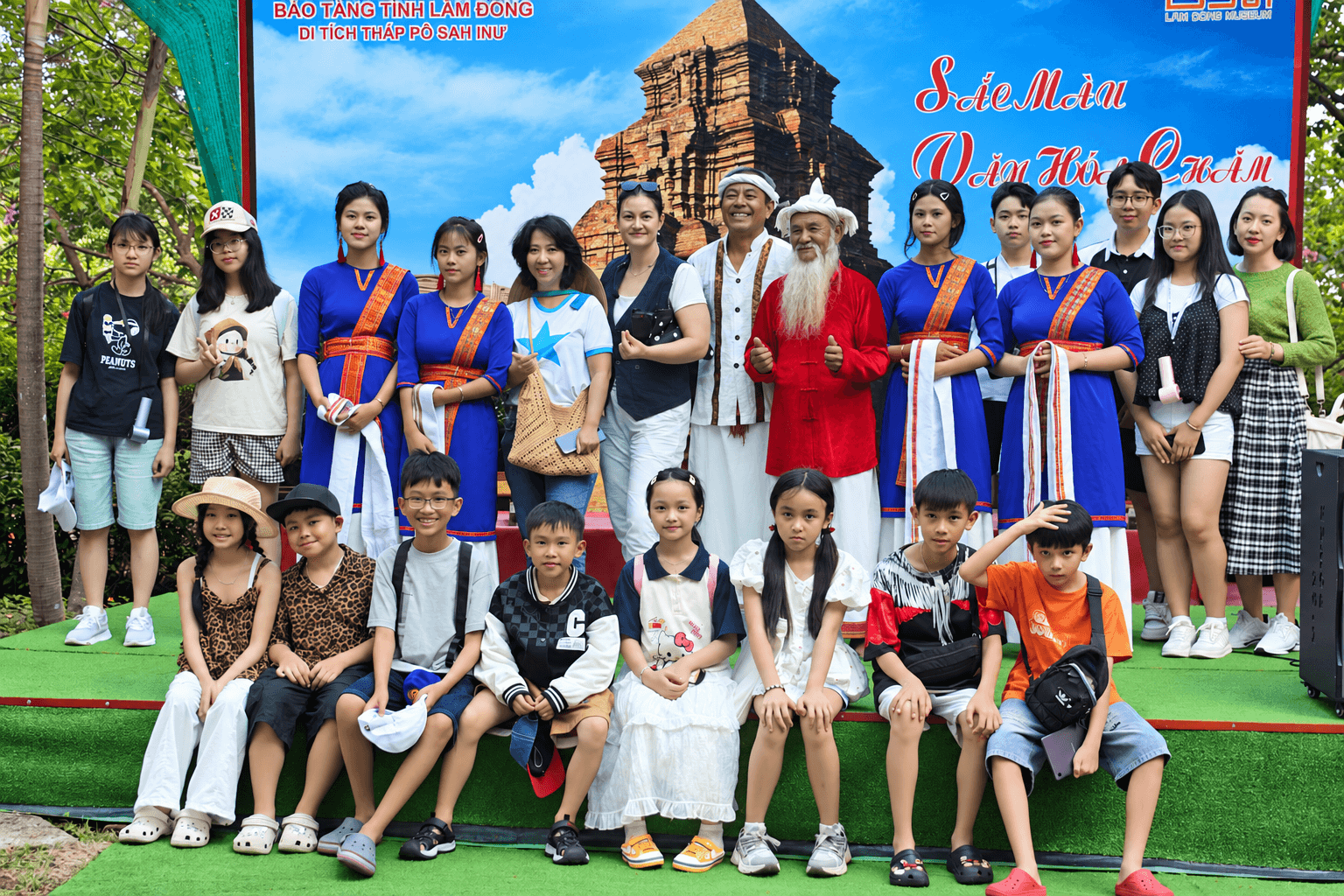
Visitors come not only to admire the centuries-old towers, but also to discover stories of Cham customs, festivals and community life.
Tran Thi Yen Thu, a visitor from Ho Chi Minh City, said: “From here, I can take in a sweeping view of the coastline. The towers are very old and have been remarkably well preserved. I also had the chance to learn many interesting stories about Cham culture and the community’s traditional pottery craft.”
For Australian visitor Daniel Carter, what makes the tower complex compelling is not simply its age or architecture, but the stories behind the monument. “What makes me curious is not only when these towers were built. I want to understand what the rituals held here mean, what the music and festivals represent, and what life is like for the community. Once you understand the story behind a heritage site, the journey becomes much more interesting,” he said.
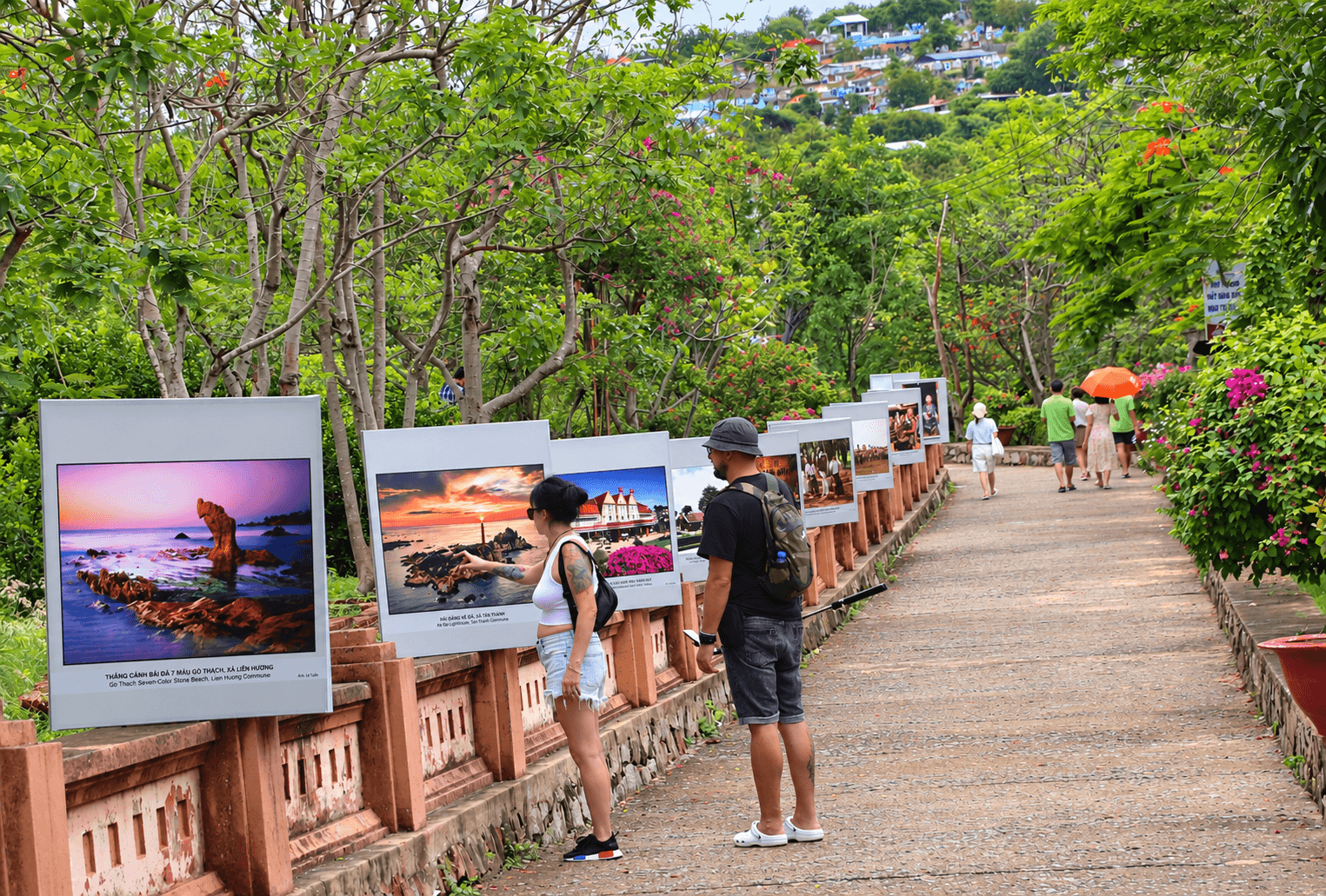
At the Pô Sah Inư towers, the value of heritage lies not only in what has survived through time, but also in its ability to keep cultural stories alive and offer visitors a deeper understanding of the land and its people.
When Katê Returns to the Ancient Towers
In early October, preparations for another Katê season were already bringing a festive atmosphere to the tower complex.
According to the plan, the 2026 Katê Festival, themed “Katê Festival – Preserving and Promoting Cham Cultural Heritage,” will take place from October 9 to 12 at the Pô Sah Inư Tower Complex in Phu Thuy Ward and the Cham Cultural Exhibition Center in Bac Binh Commune.
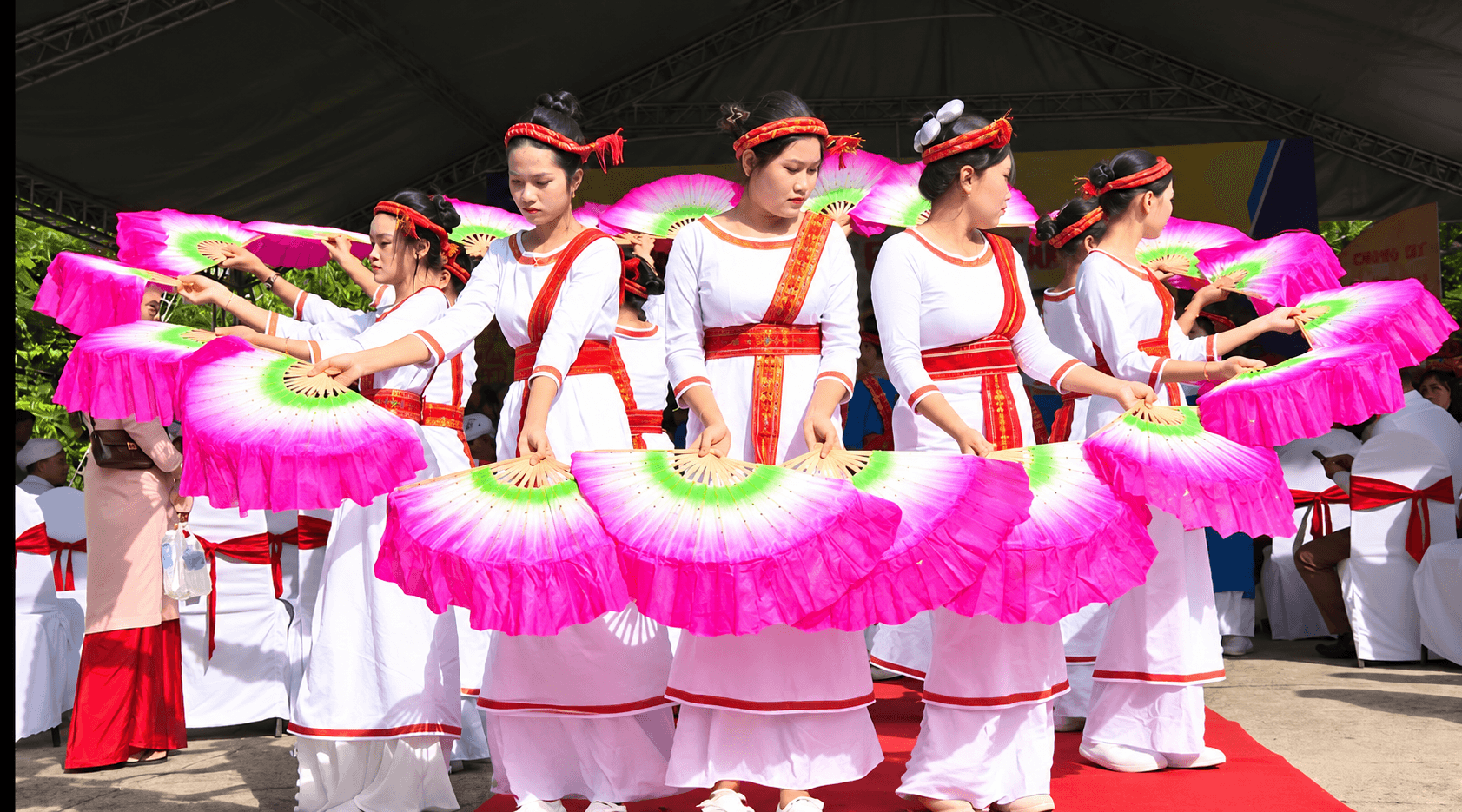
The Pô Sah Inư Towers will remain the main venue for traditional rituals, accompanied by the sounds of saranai horns and ginang drums, along with folk songs and dances, traditional costumes, folk games, handicrafts and Cham cuisine.
According to Tran Duc Dung, Head of the Management Board of the Pô Sah Inư Tower Complex, this year’s festival will largely retain its traditional rituals while adding exhibitions featuring national treasures, demonstrations of brocade weaving and pottery making, as well as activities showcasing local cuisine and specialties.
“One notable addition this year is a Cham script writing contest, along with folk games and hands-on activities such as making ginger cakes and pottery. With guidance from artisans and people knowledgeable about Cham culture, visitors can directly experience the community’s writing, handicrafts, cuisine and many aspects of traditional life,” Dung said.
Revived in 2005, the Katê Festival at the Pô Sah Inư towers has grown into a cultural event with wide appeal, serving the religious and spiritual needs of the Cham community while attracting residents and visitors alike.
Among the Cham cultural traditions preserved locally, the Katê Festival and traditional Cham pottery have been inscribed on Vietnam’s National List of Intangible Cultural Heritage.
Connecting Cultural Regions, Creating New Journeys
Across Lam Dong’s increasingly diverse tourism landscape, the eastern region is defined by its coastline, heritage sites, craft villages, beliefs and festivals rooted in communities that have long called the area home.
On the plateau, cultural values are closely associated with Da Lat, agriculture, architecture, music and distinctive local festivals. To the west stretch the vast forests, where gong culture, weaving, cuisine and communal traditions continue to be preserved in the daily lives of indigenous communities.
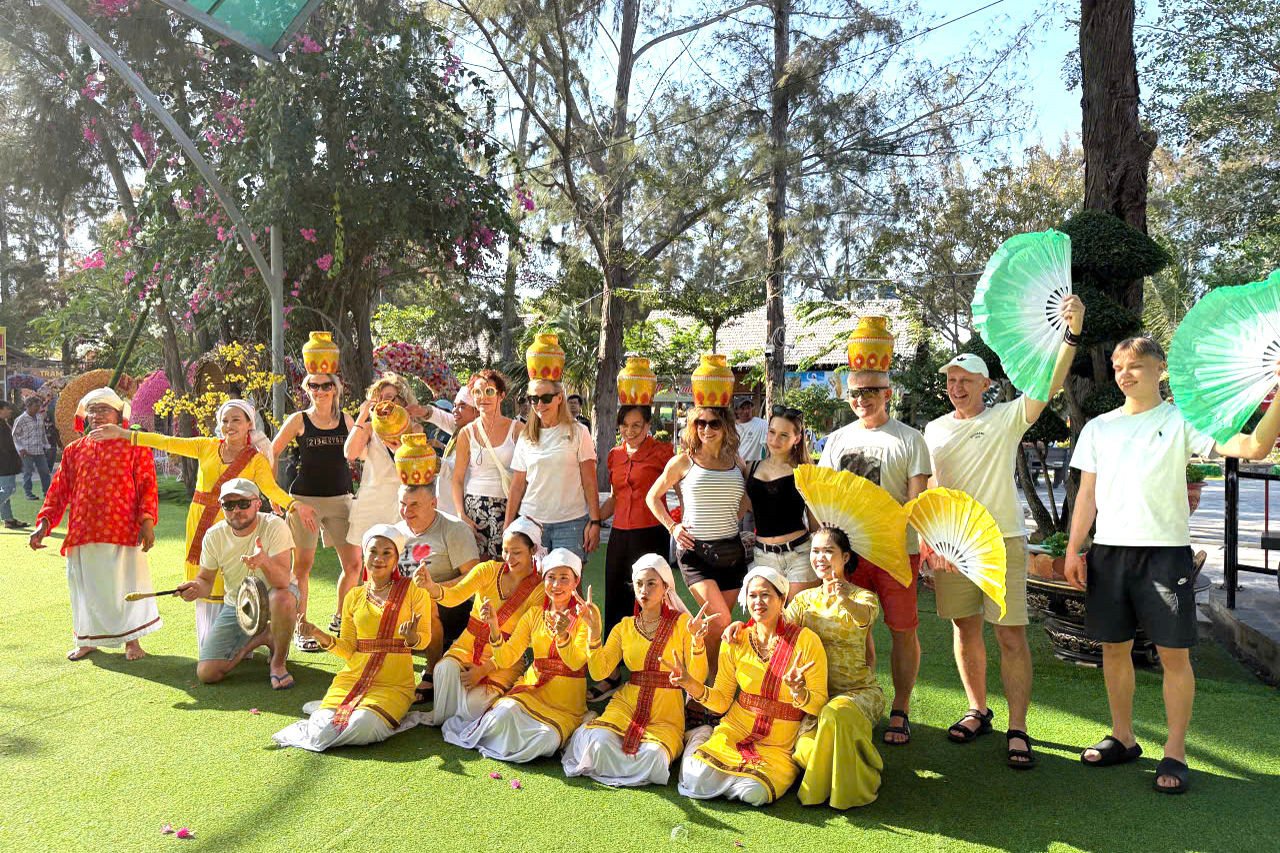
Each region has its own colors, and each community its own story. When these values are carefully preserved and meaningfully connected, they can become cultural touchpoints that allow visitors not only to see a place, but to understand its people and identity more deeply.
The spirit of Resolution No. 26-NQ/TW also calls for better use of distinctive cultural, heritage and identity-based strengths to diversify tourism products, improve visitor experiences and enhance destination competitiveness.
At the same time, development must go hand in hand with preservation, so that cultural values are not merely presented to visitors but continue to be protected and passed down within the communities themselves.
From ancient Cham towers to cultural spaces stretching from the coast and highlands to the vast forests, Lam Dong’s tourism strengths therefore lie not only in its landscapes, but also in the cultural depth preserved within its communities. When these values are connected and transformed into meaningful experiences, they can open up new journeys and give Lam Dong tourism an appeal all its own.