


When Flavors Tell the Story of a Destination
A journey may begin with a beautiful landscape, a beach or a historic site, but sometimes what lingers longest in a traveler's memory is simply the taste of a local dish. It might be a steaming bowl of pho on a cool day in Da Lat, a bowl of Mi Quang in a coastal town, a banh mi from a roadside shop or a rustic dish enjoyed at a local market. The appeal of Vietnamese cuisine lies in the way food is deeply rooted in everyday life, carrying stories of the land, local produce, history and the customs of each community.
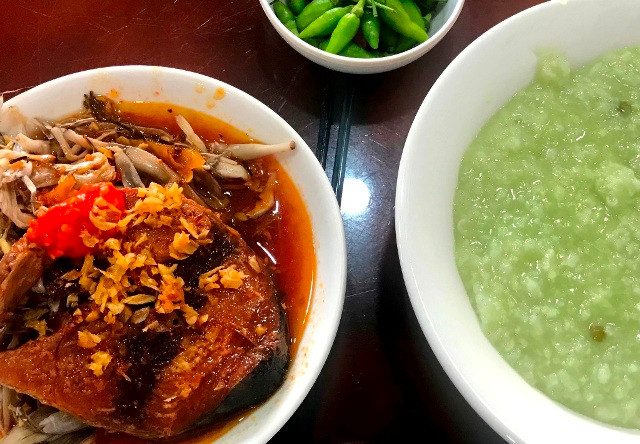
From a Basic Need to a Reason to Travel
“Come to Phan Thiet for banana blossom porridge” — a simple invitation, and a journey begins just like that.
Nguyen Minh Tri, a visitor from Ho Chi Minh City, said he first tried the dish while waiting for a ferry to Phu Quy Island. It was completely by chance, but I have never forgotten the taste. Now, whenever I arrive in Phan Thiet early, I make a point of coming back for it. “What impresses me most is the way the ingredients come together — fresh fish braised in a rich sauce, paired with the slightly astringent taste of banana blossom. But what makes the experience truly special is the setting. Sitting by the breezy riverside, enjoying a hot bowl of porridge while watching fishing boats moored nearby creates a feeling that is hard to find anywhere else,” Tri added.
The flavor of a dish, together with its setting, the people and the stories behind it, can become part of a traveler's lasting memory of a destination.
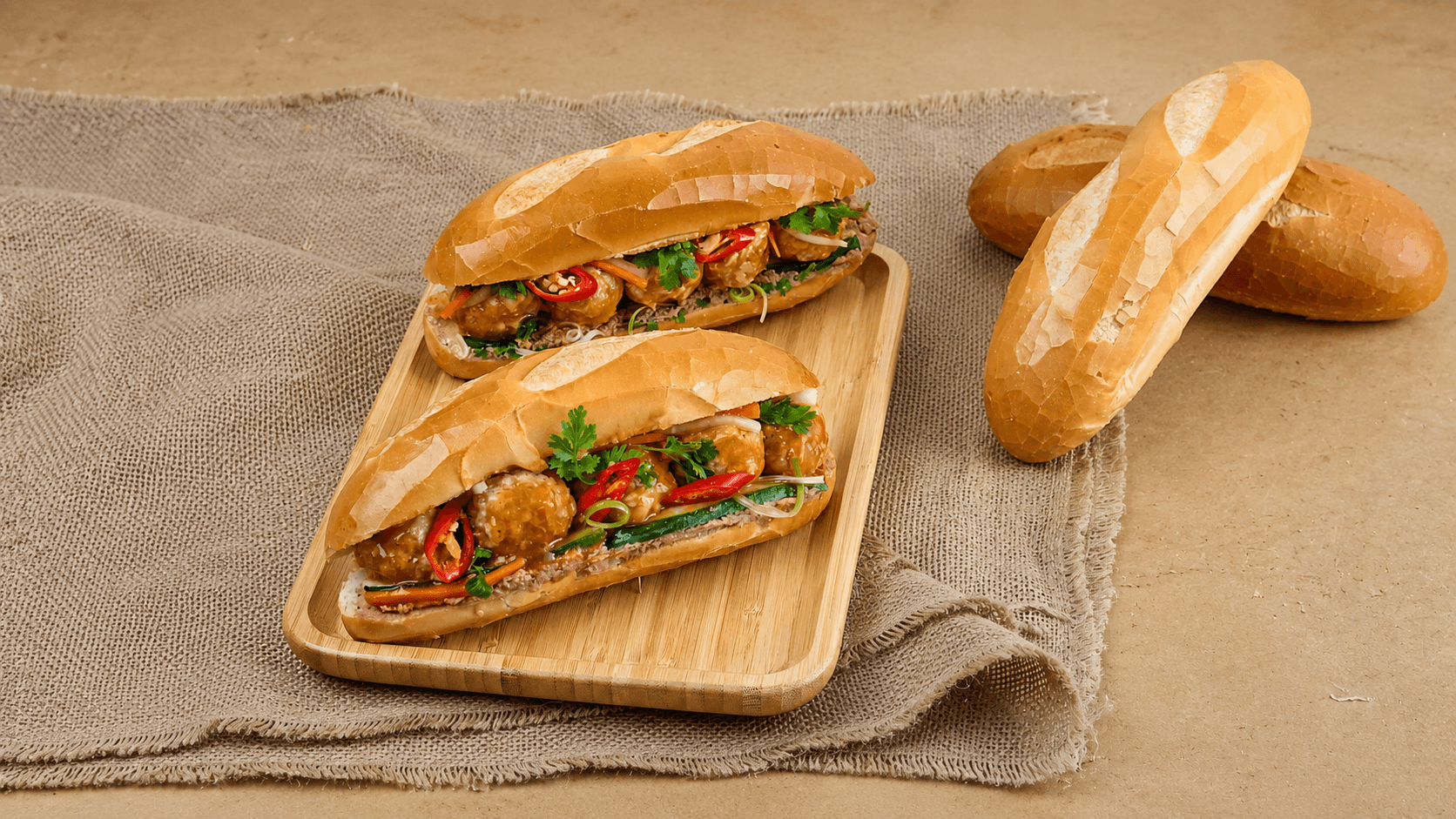
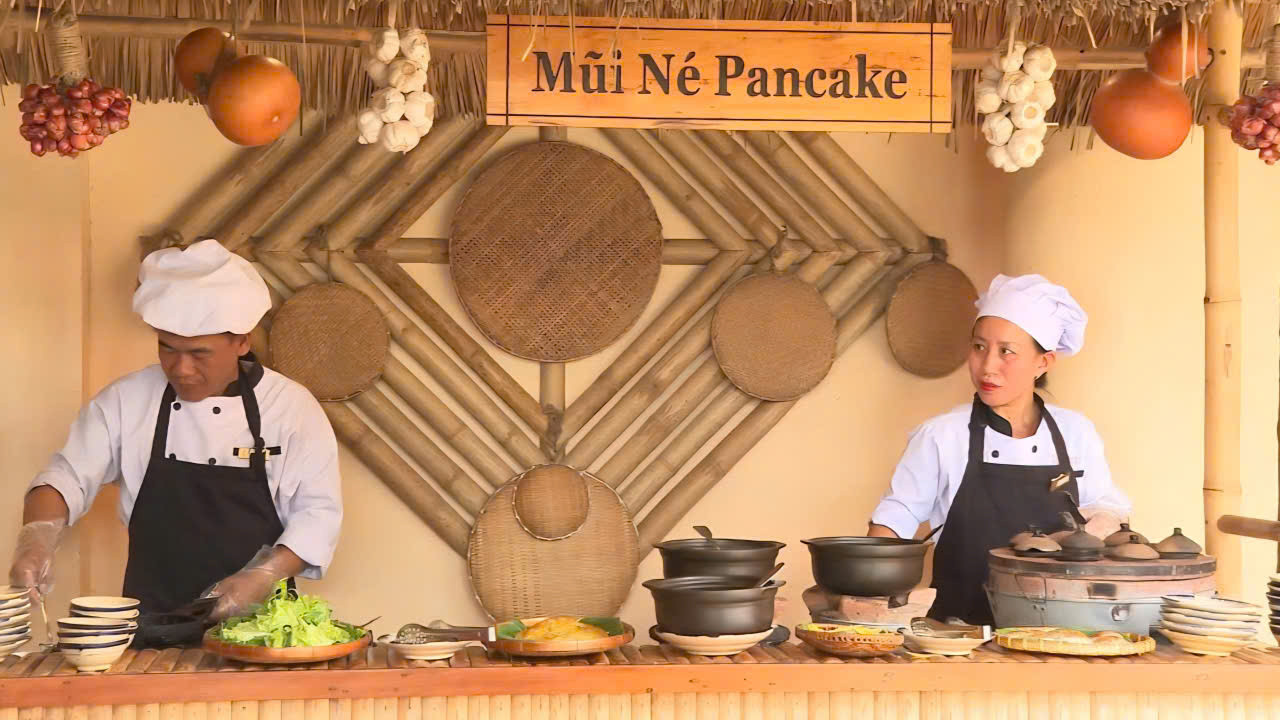
If dining was once seen mainly as a supplementary service during sightseeing and leisure trips, local cuisine has now become an important part of the travel experience for many visitors.
According to figures cited by the Vietnam National Authority of Tourism from the World Food Travel Association, 81% of international travelers are interested in exploring local cuisine and are willing to spend around 25–35% of their travel budget on food and beverages. This suggests that the question of “what to eat” is increasingly influencing the decision of “where to go.”
Australian visitor Warren Bride said: “I enjoy visiting traditional markets and eateries that are popular with local residents. To me, these places are very special because they reflect something distinctive about the destination. I can hear interesting stories about the culture, gain a better understanding of local life and, of course, enjoy many delicious dishes.”
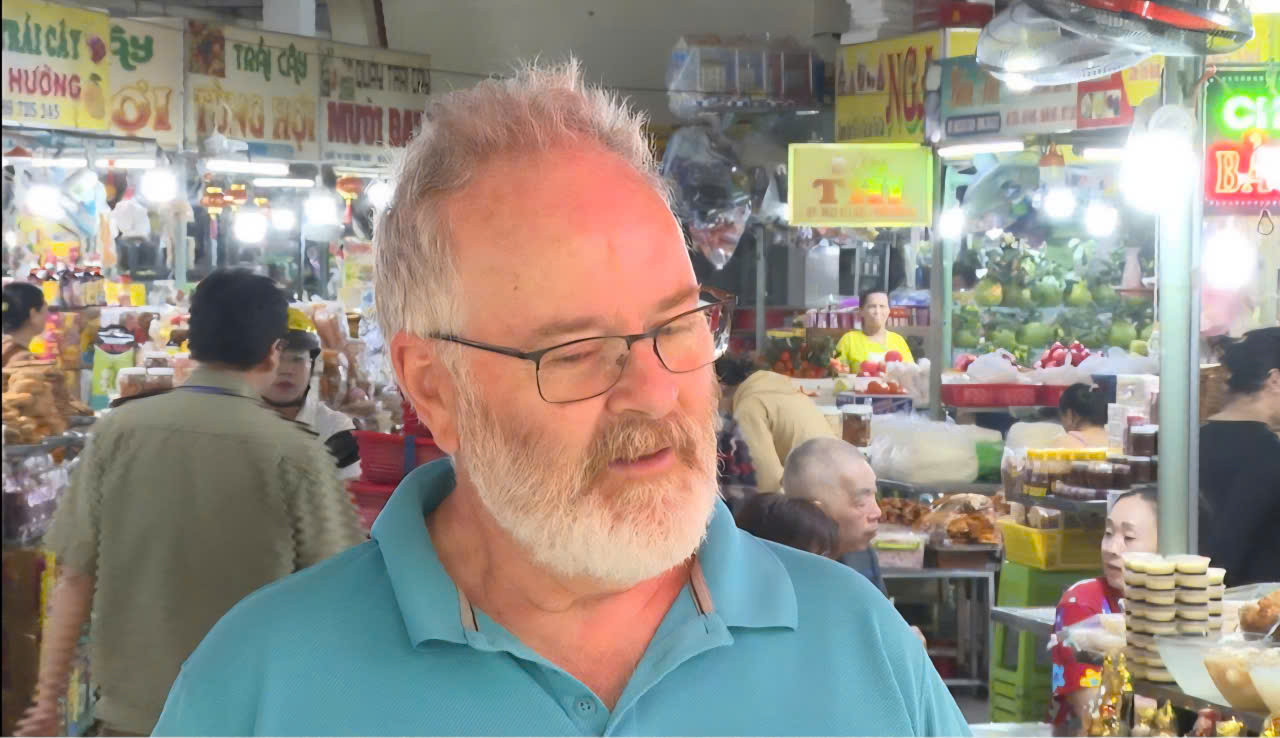
Travel today is no longer just about sightseeing. Visitors want to know what local people eat, what ingredients go into a dish and what gives it its distinctive flavor. For this reason, a traditional market, a small eatery, a street-food stall or even a dish familiar to local residents can all become part of the tourism experience.
Valeria, a visitor from Russia, said: “I had heard so much about pho, so when I came to Vietnam for the first time, I decided I had to try it. It was very special. Now I know there are many different types of pho, and I can enjoy different versions of the dish wherever I travel.”
In 2026, Vietnam continued to earn international recognition, ranking first among culinary destinations in a readers’ poll by NZ Herald Travel, ahead of several long-established names on the global food map.
But the appeal of Vietnamese cuisine goes beyond the taste of individual dishes. Its greater value lies in the stories these dishes carry — stories of everyday life, climate, history, livelihoods and the customs of different communities. These are precisely the elements that experiential tourism seeks to uncover.
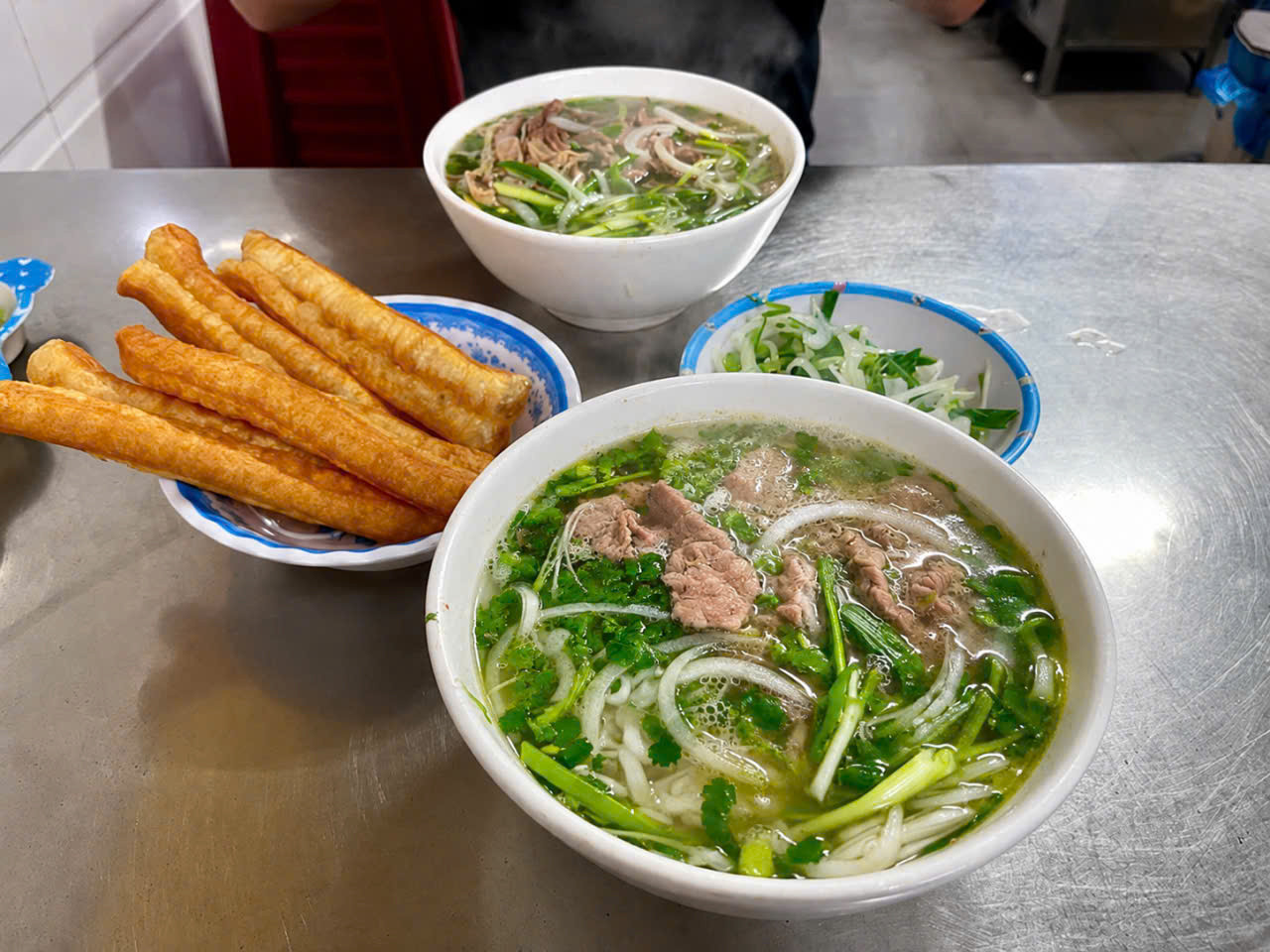
One Lam Dong – Connecting a World of Flavors
Following the merger, Lam Dong's tourism space has expanded from the highlands and vast forests to the coast and islands, creating greater diversity in landscapes, climate, culture and cuisine. Da Lat offers the flavors of the highlands; the western region preserves dishes, ingredients and culinary traditions of indigenous communities; while the eastern area, home to destinations such as Phan Thiet–Mui Ne and Phu Quy Island, reflects the local produce and way of life of coastal communities.
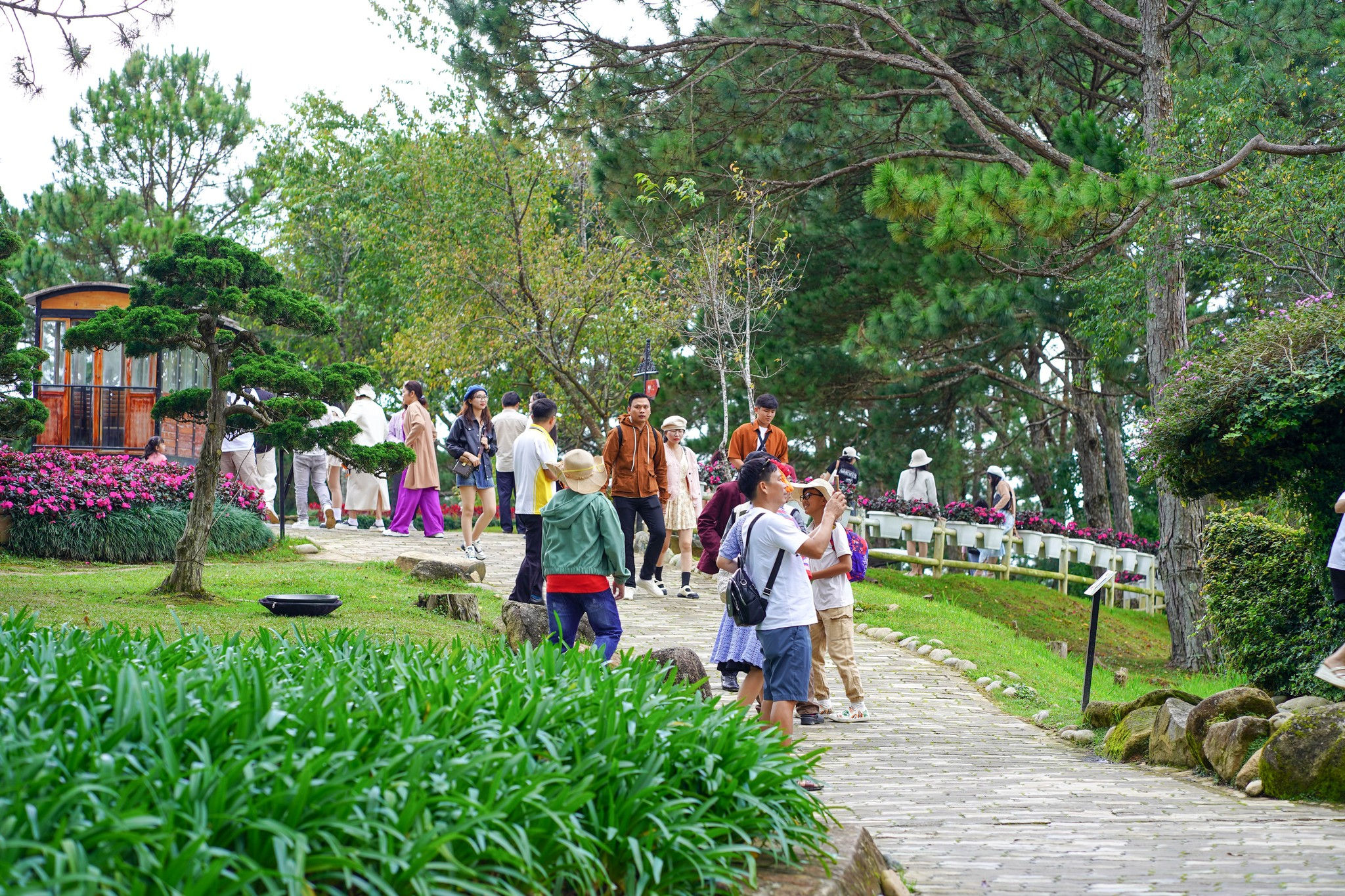
These differences can become a major advantage if effectively developed and connected. Cuisine can inspire a wider range of tourism products, from agricultural and indigenous culinary experiences to food tours, local markets and journeys focused on coastal cuisine. This diversity not only enriches Lam Dong's tourism offerings but also enhances its appeal, meeting travelers' growing demand for distinctive and personalized experiences.
From highland coffee and agricultural produce to dishes rooted in forest communities and seafood from fishing villages, every journey can unfold through stories of the land and its people. When cuisine becomes an experience in itself rather than simply a supporting service, travelers gain another reason to extend their stay.
If landscapes bring visitors to Lam Dong, cuisine can give them a reason to stay longer, remember each destination through both images and flavors, and perhaps return to continue a journey whose story is still unfolding.