


Where Fields Come into Bloom
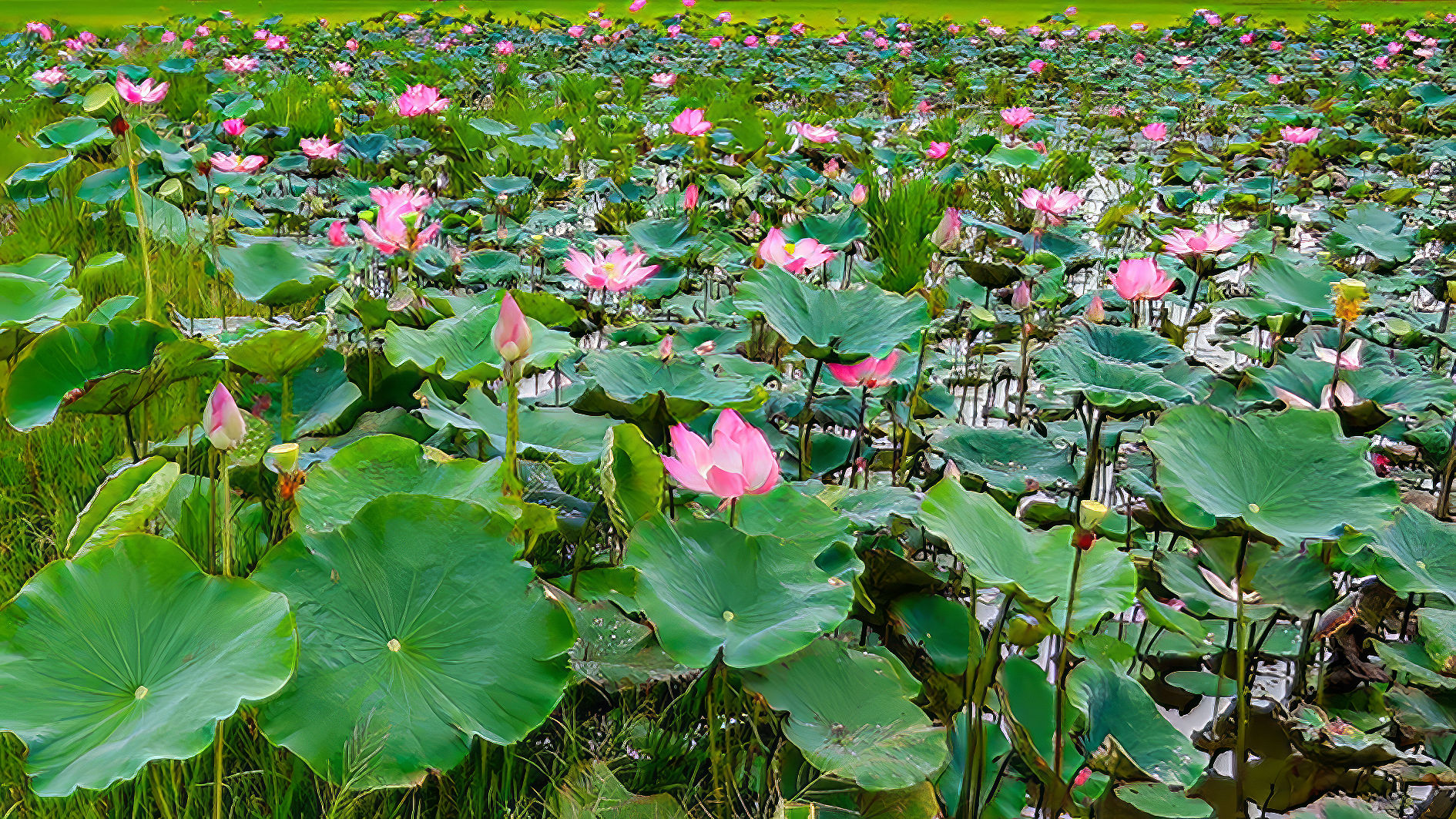
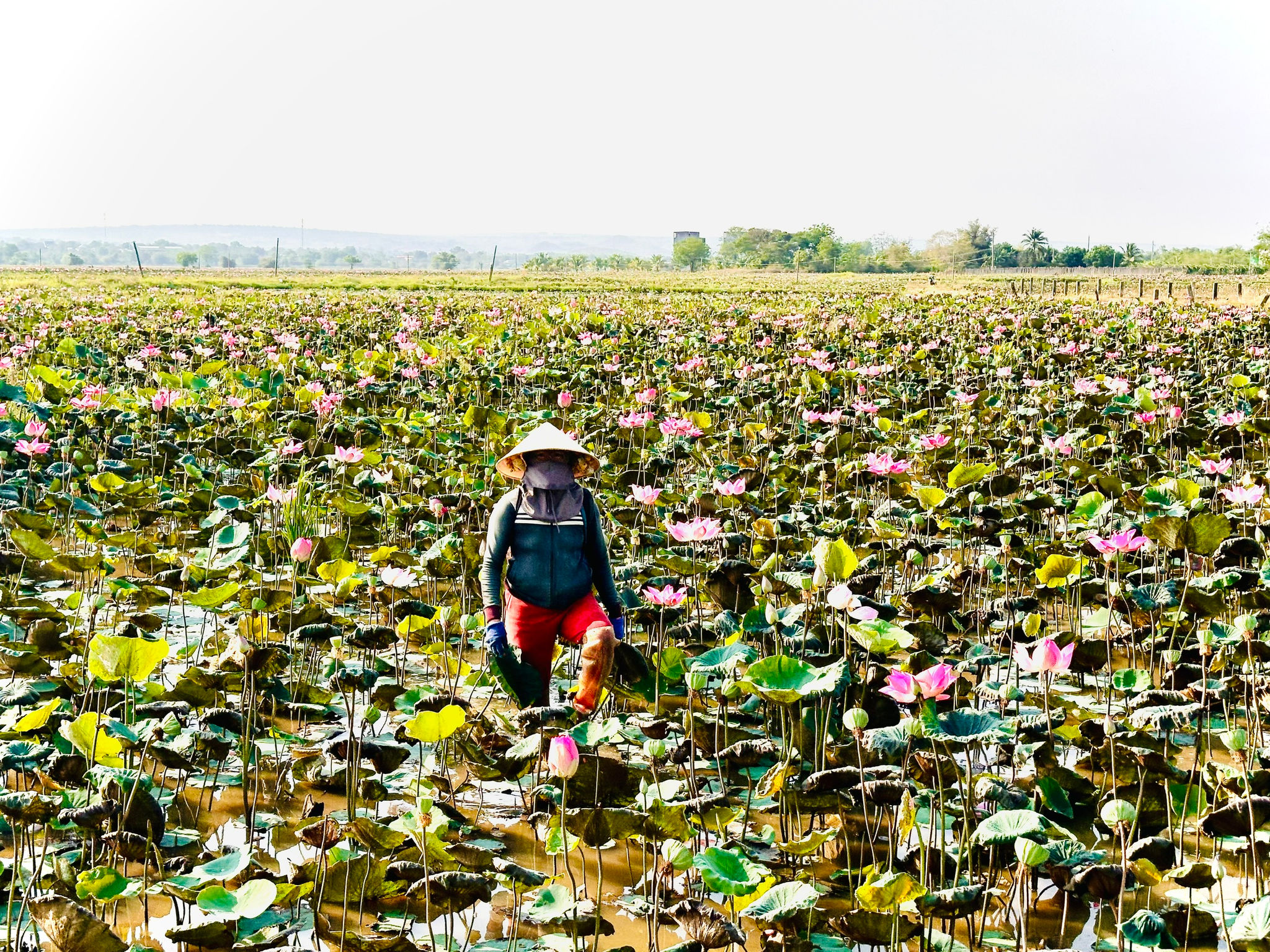
The lotus fields of Liem An are now in full bloom, painting a vivid landscape of pink blossoms interspersed with mature seed pods ready for harvest. Across the fields in Hong Son Commune, farmers are busy gathering plump lotus pods for traders. Emerging from this transformation, the rice–lotus rotation model is opening a new, economically viable pathway for local agriculture.
From the Fields
In late March, the fields of Liem An Hamlet, Hong Son Commune take on a vibrant new look. In previous years, the area often faced water shortages during the dry season due to the lack of a synchronized irrigation system. However, since the completion of the 812 – Chau Ta canal, which channels water from Dai Ninh Hydropower Plant to Song Quao Reservoir, large areas in Hong Son and neighboring communes have been able to sustain three rice crops annually.
According to Nguyen Ngoc Chin, Head of Liem An Hamlet, over the past three to four years, many farmers have recognized that rising input costs for rice cultivation, coupled with low market prices—currently around VND 6,000 per kilogram—have reduced profitability. In response, they have proactively shifted to lotus cultivation as a more efficient alternative.
Nguyen Ke Loc, a local farmer, said it costs around VND 2–3 million per crop to cultivate 1,000 square meters of lotus, with up to three crops a year. After about three months, the plants begin producing on a rolling basis, providing a steady source of income.
Across Liem An’s fields, vast stretches of lotus ponds release a gentle fragrance, while nearby rice paddies approach harvest. The lively exchanges among farmers about yields and prices reflect a renewed sense of optimism in the fields.
To date, more than 200 hectares in Liem An Hamlet alone have been converted from rice to lotus. Beyond Hong Son, the rice–lotus rotation model has been adopted in several localities across the southeastern part of the province, delivering higher economic returns on the same land area.
The experience of Le Xuan Sang illustrates this shift. Previously cultivating 1.2 hectares of rice with three crops per year, he transitioned to lotus as rising costs and falling prices eroded profits. Each lotus crop lasts about three months, allowing for three to four harvests annually, with profits ranging from VND 10–15 million per sao per crop.
Notably, during the off-season, fresh lotus seeds have fetched prices exceeding VND 50,000 per kilogram, significantly boosting income. Even in peak season, when prices fall to around VND 17,000–20,000 per kilogram, high yields still ensure stable returns. Additionally, crop rotation helps improve soil quality, reduce pests, and enhance productivity when switching back to rice.
One Model, Multiple Values
Beyond direct economic gains, lotus cultivation is generating new value chains. In Liem An, many households are not only cultivating lotus on their own land but also leasing additional plots in neighboring areas to expand production.
Notably, new services have emerged, including seedling supply and turnkey planting solutions. According to Nguyen Ke Loc, lotus seedlings are priced at around VND 2,000 per plant at the field. For newcomers, full-service planting packages are calculated based on an average density of 250 plants per 1,000 square meters, along with planting and transportation costs. This model reduces risks for new growers while creating additional income streams for experienced farmers.
As profitability becomes more evident, Hong Son’s lotus-growing area has attracted traders and buyers from outside the commune seeking both seedlings and commercial products.
In practice, the rice–lotus rotation model is being flexibly applied across multiple localities in the southeastern region, depending on cultivation conditions and market demand. In Hong Son, what began with a few pioneering households has now expanded to more than 300 hectares of lotus cultivation.
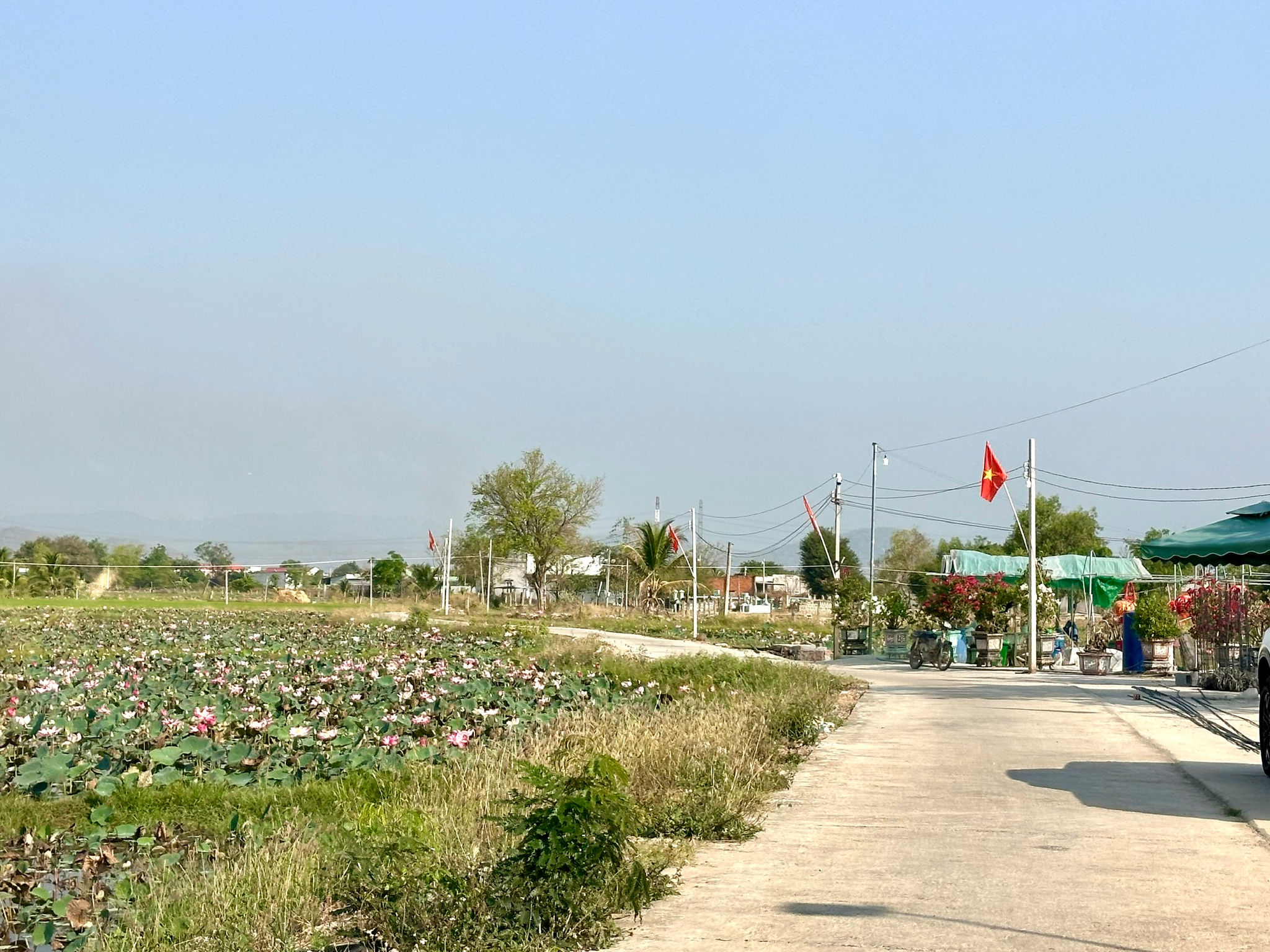
According to the Hong Son Commune People’s Committee, the locality continues to maintain stable agricultural production across nearly 7,000 hectares, including rice, lotus, vegetables and dragon fruit. In 2026, the commune will further promote efficient, multi-purpose land use, encouraging farmers to maintain high-quality rice varieties while transitioning to crops with greater economic value where appropriate.
The transformation in Liem An reflects a broader shift in farmers’ production mindset. Beyond economic benefits, lotus cultivation is also opening up opportunities for rural tourism and experiential activities. Blooming lotus fields are not only productive landscapes but also potential destinations for visitors, contributing to diversified livelihoods for local communities.