


Working Together, Growing Together: Farmer Cooperatives Drive Rural Development in Lam Dong
Producer collaboration is becoming an increasingly important trend among farmers in Phu Son Lam Ha Commune, Lam Dong Province, as more households adopt cooperative farming models to improve product quality, increase value, and strengthen the foundation for collective economic development.
.jpg)
Building Value Through Production Linkages
At the processing facility of the Lien Ket General Agricultural Services Cooperative, preparations are underway for a new coffee-processing season. Coffee cherries harvested at peak ripeness are processed under standardized procedures—not by individual farmers working independently, but through coordinated production among cooperative members.
Established in 2021 with nine founding members, the cooperative now coordinates approximately 60 hectares of Robusta coffee production. In addition to implementing standardized cultivation practices, it has invested in post-harvest processing, developed premium coffee products, and gradually expanded connections with export markets.
Instead of producing independently, cooperative members follow common standards for cultivation, harvesting, and processing, enabling them to improve product quality, establish more stable market access, and increase the commercial value of their coffee.
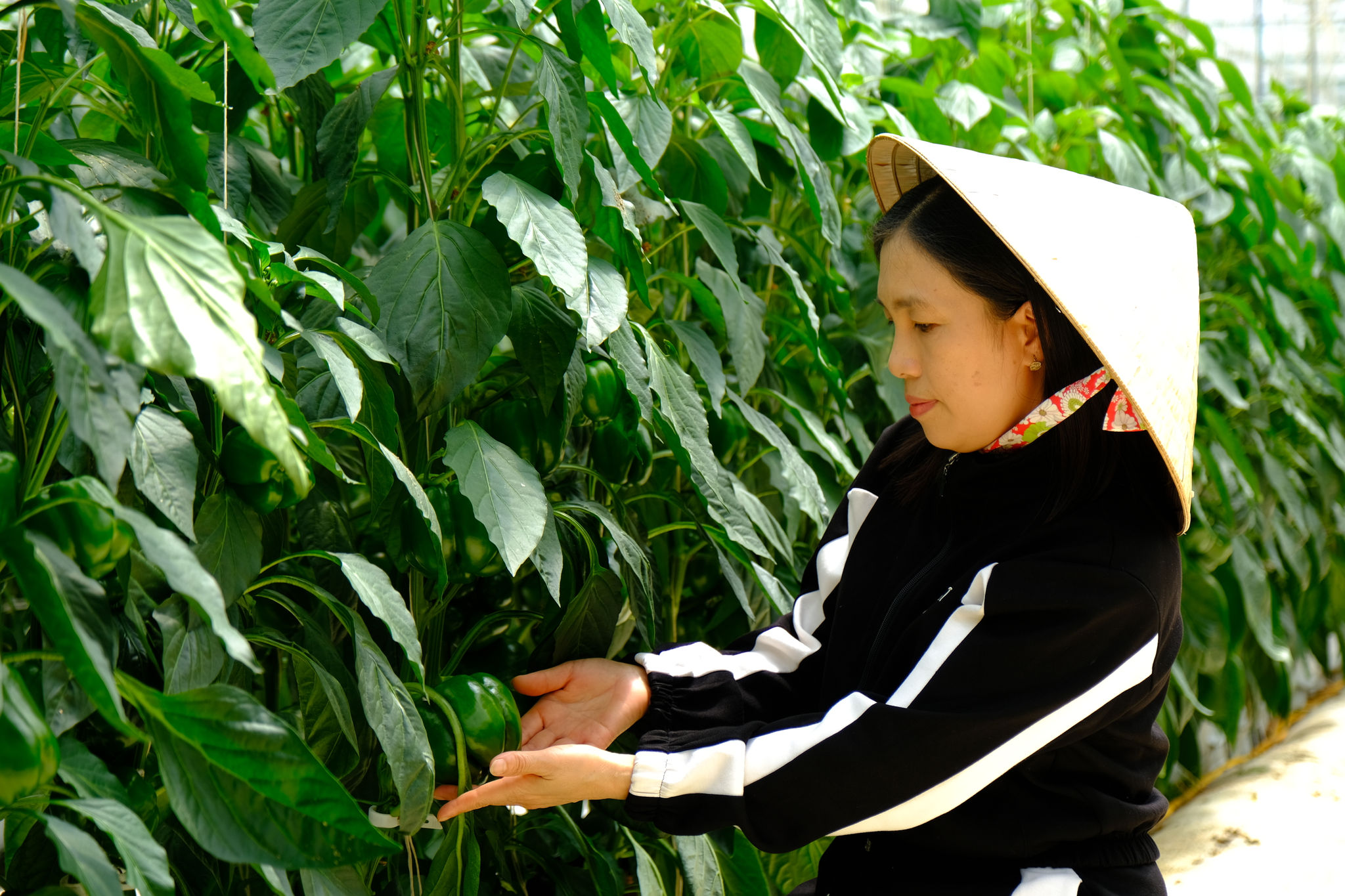
According to Nguyen Thi Luong, Director of the Lien Ket General Agricultural Services Cooperative, the cooperative will continue refining production processes, investing in deep processing, and completing registration procedures for participation in Vietnam's One Commune One Product (OCOP) program.
Participation in the OCOP program is expected to further enhance product value while encouraging additional farmers in the production area to join the cooperative network.
Supporting Farmers Through Collective Development
The cooperative's experience reflects the broader expansion of the collective economy in Phu Son Lam Ha Commune.
To support this development, the commune's Farmers' Association has focused on vocational training, technology transfer, improved access to finance, and the establishment of commodity-based production linkages.
In recent years, the association has:
- Organized vocational training courses for 90 members.
- Held dozens of agricultural technology transfer sessions attended by more than 1,741 participants.
- Established a new professional growers' group specializing in macadamia cultivation.
- Assisted farmers in preparing documentation for OCOP product registration.
Access to credit has also been expanded to encourage agricultural investment.
The Farmers' Association currently manages:
- Seven savings and loan groups through the Vietnam Bank for Social Policies, with outstanding loans totaling more than VND18.68 billion benefiting 358 households.
- Ten lending groups in cooperation with Agribank, providing outstanding loans of over VND22.64 billion to 152 households.
- Additional financial assistance of VND155 million from the Farmers' Support Fund for four farming households.
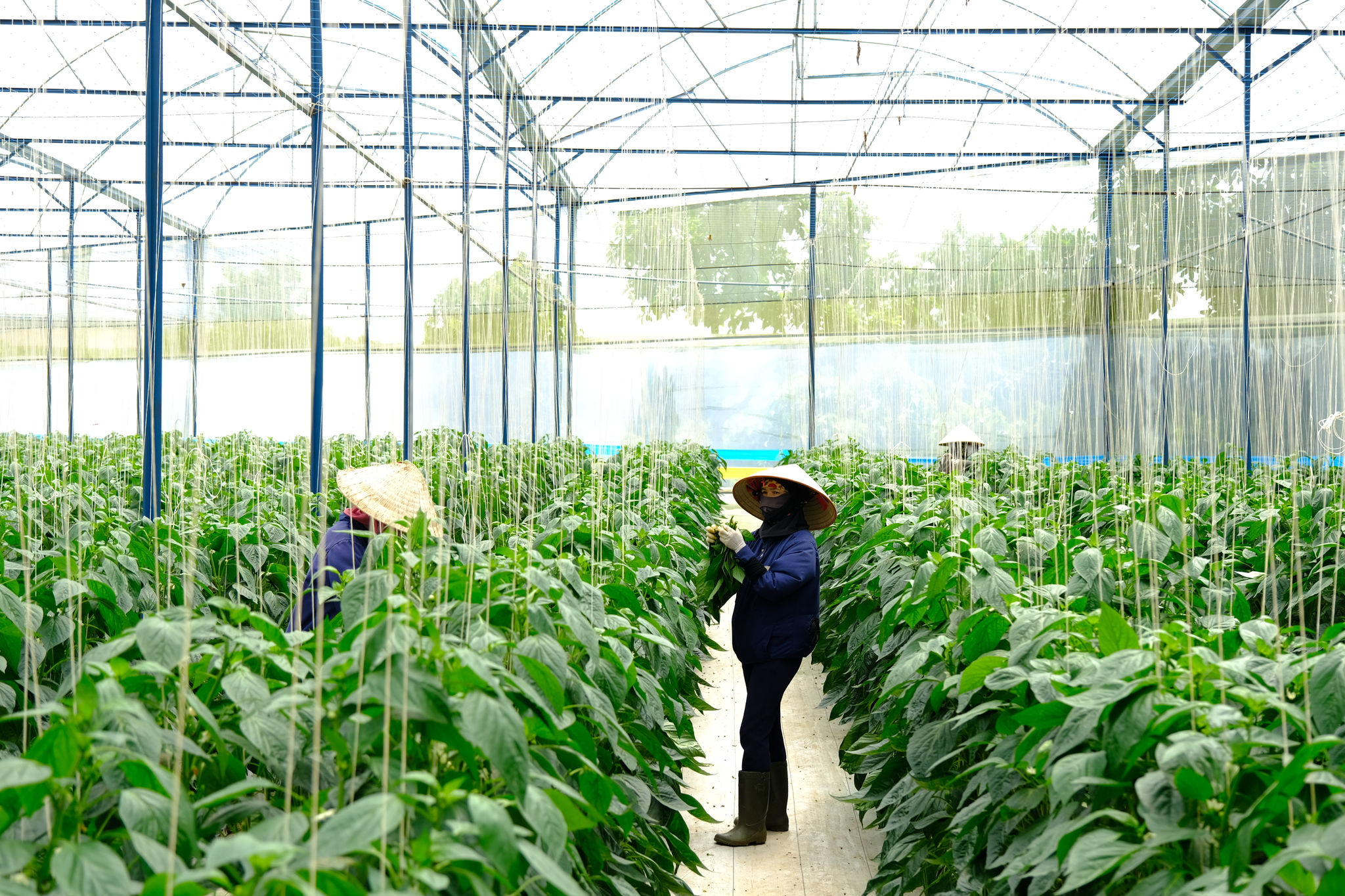
Financial support, technical assistance, and stronger production linkages have encouraged more farmers to modernize their farming practices.
The commune currently has 1,653 households registered for the title of Outstanding Production and Business Household, with 827 households officially recognized. Many farmers are also adopting green agriculture, organic farming, and high-tech production while developing branded local agricultural products.
According to Dinh Thi Thu Thuy, Deputy Secretary of the Commune Party Committee and Chairwoman of the People's Committee of Phu Son Lam Ha Commune, developing the collective economy will remain a key component of the commune's agricultural restructuring strategy.
Building on the foundation of cooperatives, cooperative groups, and professional farming associations, the commune plans to expand OCOP-certified products, promote science and technology adoption, strengthen production and marketing linkages across agricultural value chains, increase the value of local farm products, and create new momentum for sustainable rural development.