


Young People in Lam Dong Infuse Creative Spirit into Floral Ao Dai
Amid the frenetic pace of modern life, with countless traditional values at risk of fading, a new generation is choosing to safeguard national identity through the lens of creative art.
Preserving Tradition Through a Language of Creativity
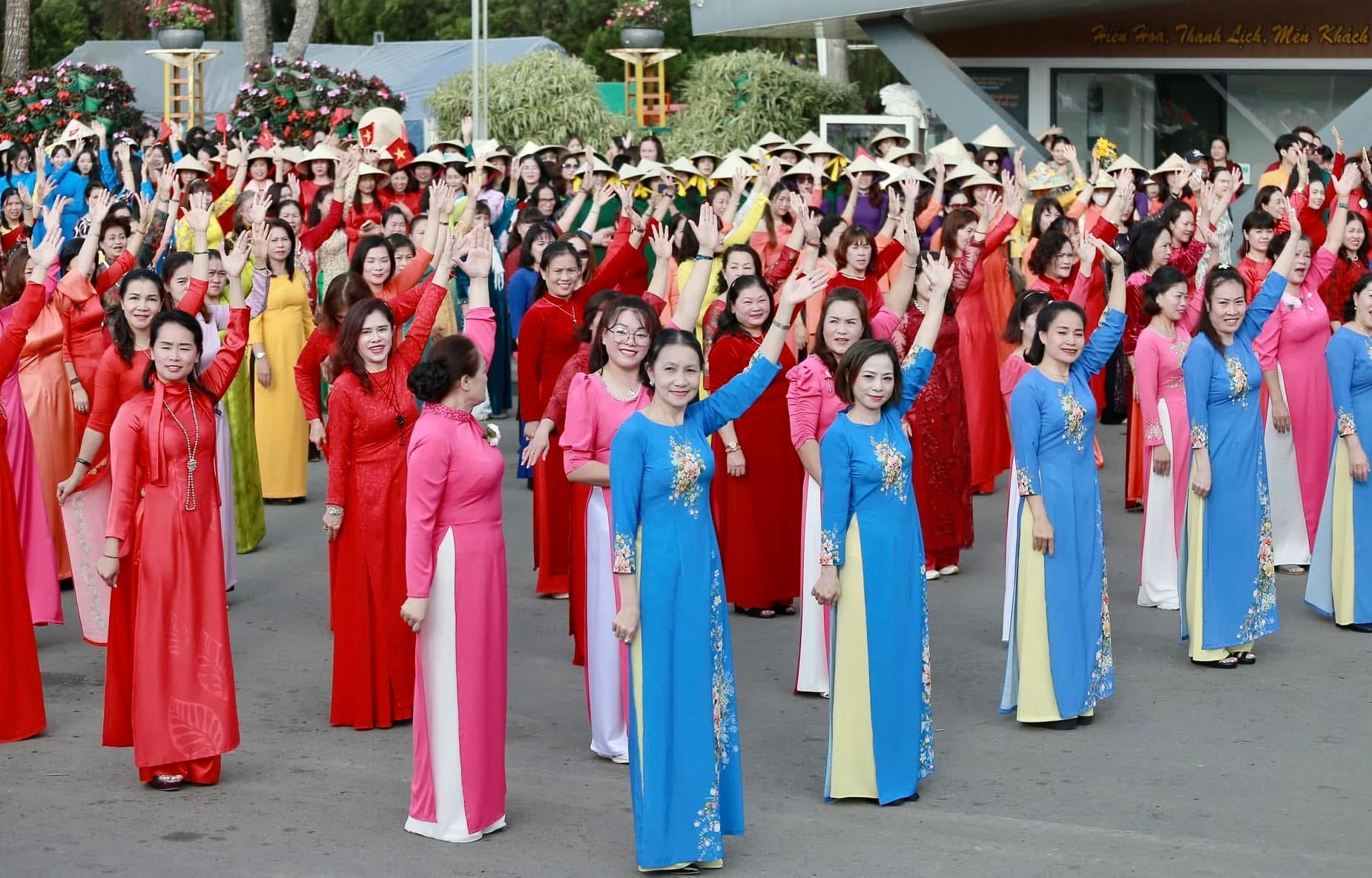
Contrary to the notion that ao dai are reserved solely for ceremonial occasions, many young people in Lam Dong are finding ways to bring the traditional garment back into everyday life.
They have chosen flowers as their artistic language — an image deeply intertwined with the natural landscape and cultural life of Da Lat in particular, and with the Vietnamese soul in general.
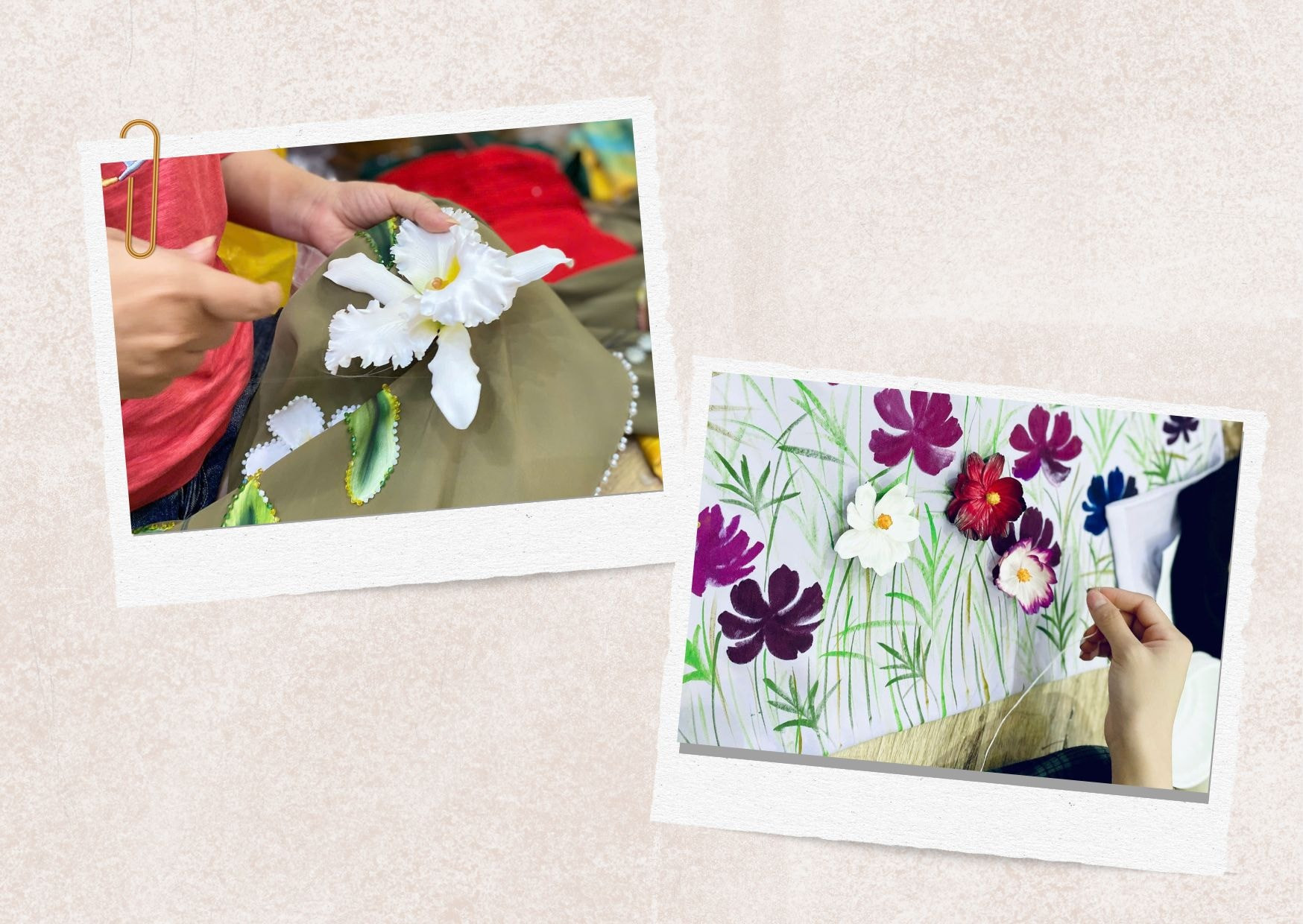
Inspired by this connection, designs are hand-painted, meticulously embroidered, or enhanced with raised materials. Beyond visual impact, they become storytelling mediums, narrating tales of land, people, and the emotions embedded in each flowing panel of silk.
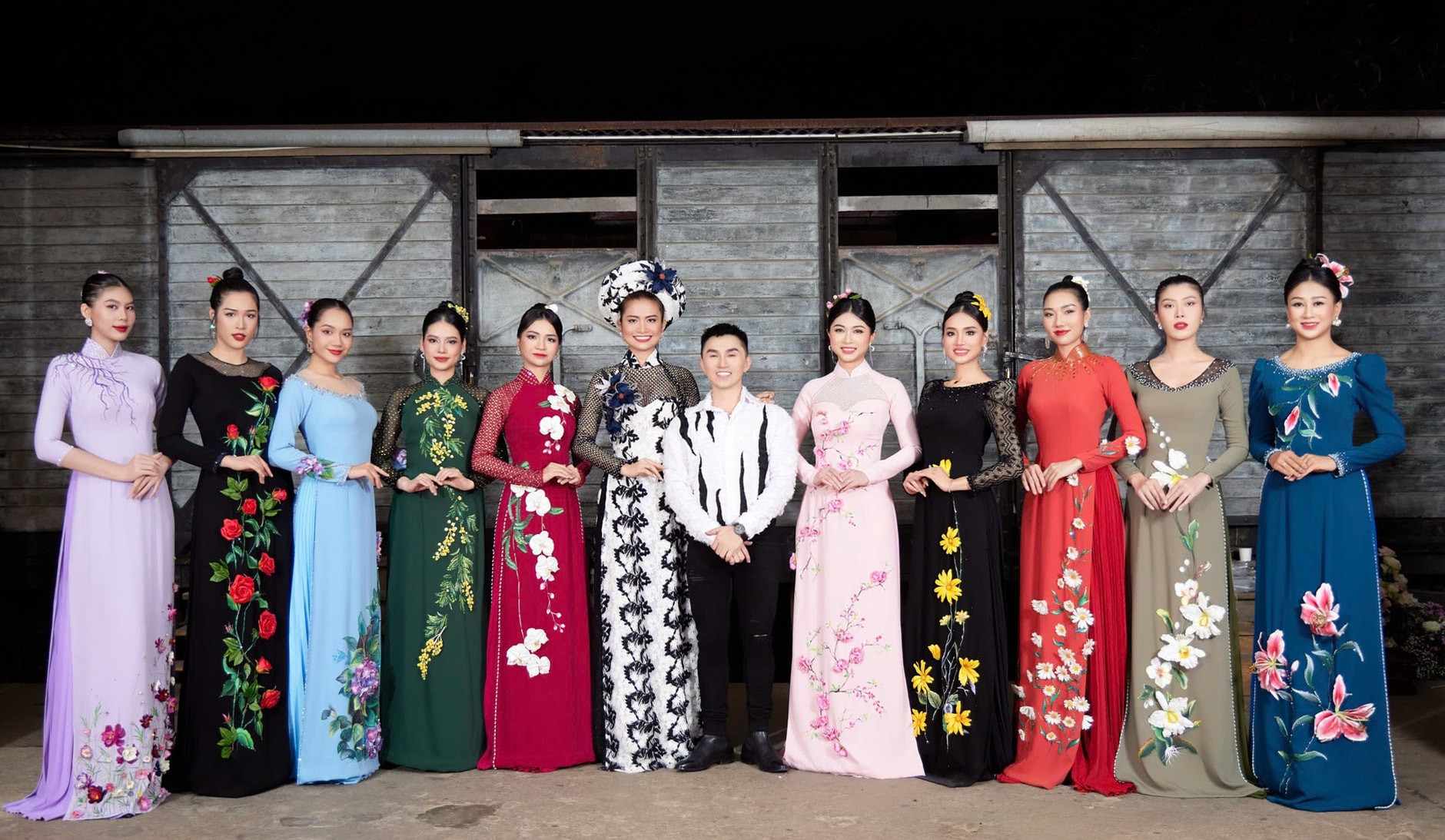
Throughout the journey of defining the value of floral ao dai, the creative team of designer Do Nguyen has been recognized for persistently pursuing an artistic direction.
His collections, developed alongside a group of young collaborators, often explore the beauty of highland flora, with color palettes inspired by natural tones. A common thread is restraint in composition — avoiding excessive embellishment in favor of harmony between garment and wearer.
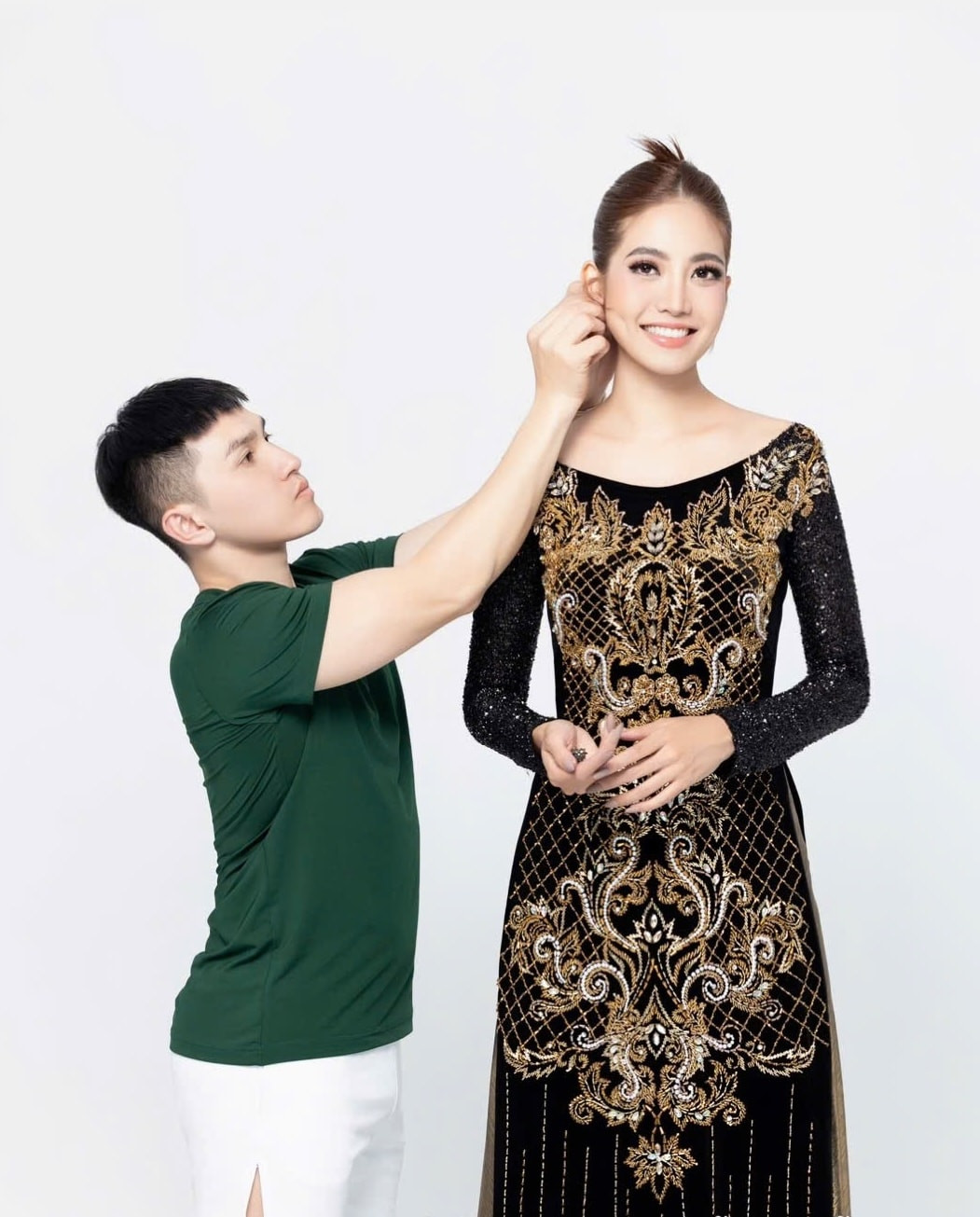
Many pieces are hand-painted directly onto silk, combined with raised embroidery and handcrafted embellishments to create visual depth reminiscent of a moving painting. For him, the ao dai is not merely performance attire but a “storytelling artwork.”
I do not design the ao dai simply for beauty. I want each piece, no matter where it is seen, to carry a narrative — about the flowers, about the land, about the people who shaped it.
Designer Do Nguyen
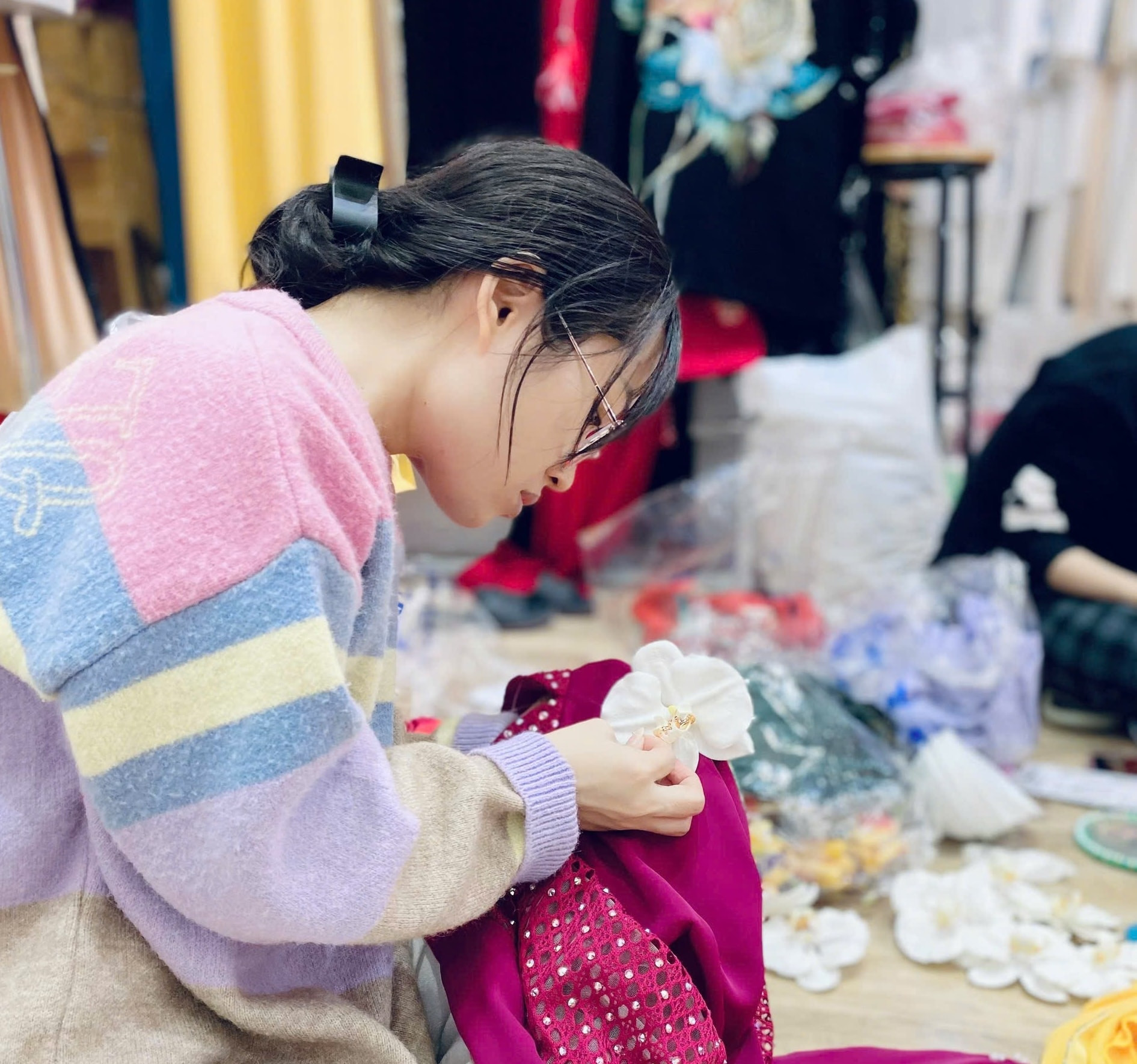
Local experts note that what deserves recognition is not the number of collections produced, but the serious professional attitude of today’s young designers. They invest time researching materials, experimenting with traditional techniques, and maintaining a spirit of learning — viewing each creation as a professional milestone rather than a purely commercial product.
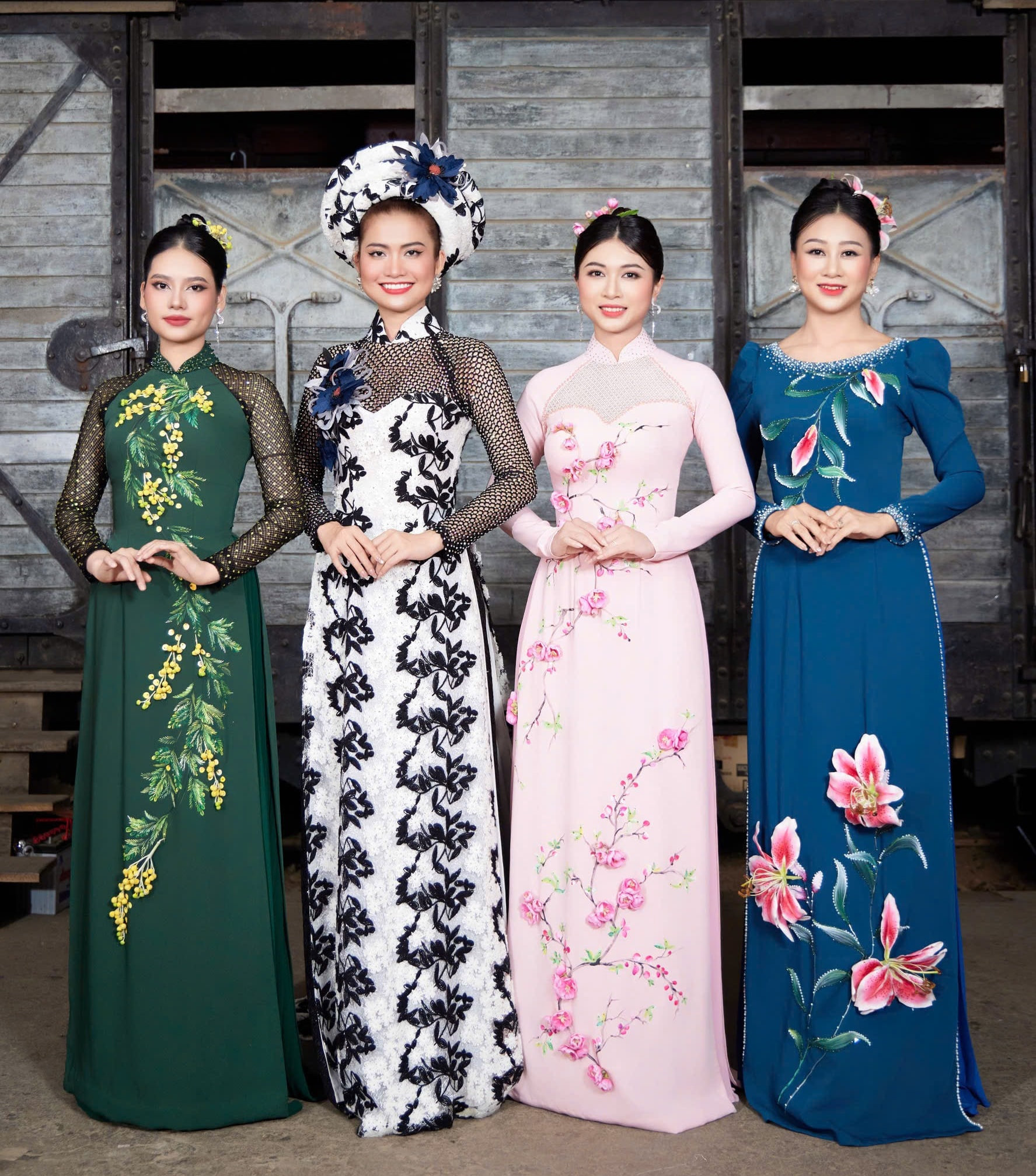
Behind each collection lies the collaboration of many like-minded young individuals — from sketch artists and pattern painters to hand embroiderers and performance assistants. This collective spirit contributes to a renewed image for floral ao dai, preventing the genre from falling into repetition.
.jpg)
When Ao Dai Becomes a Cultural Bridge
No longer confined to the runway, the floral ao dai today has become emotional anchors for artists in various artistic programs, helping create distinctive visual identities for each performance.
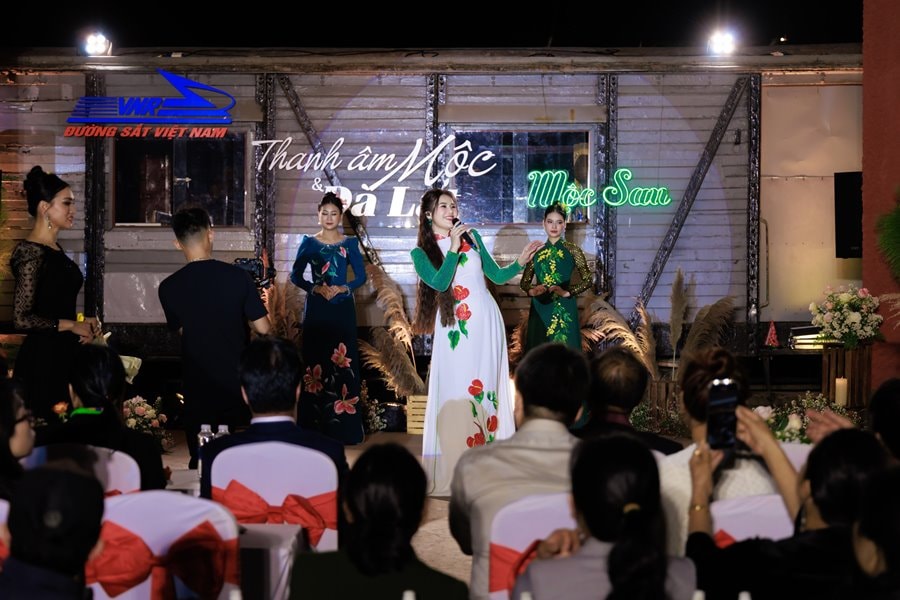
Singer Moc San shared: “Every time I wear an ao dai inspired by the flowers of my hometown, I feel my emotions soar more fully on stage, as if I am carrying the colors and fragrance of Da Lat to the audience.”
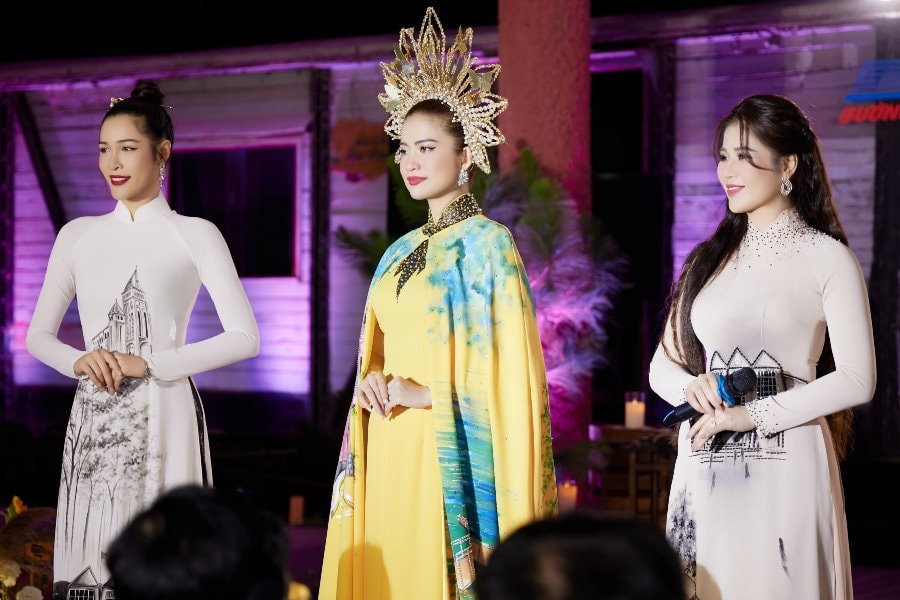
From this experience, it is clear that traditional attire not only enhances stage aesthetics but also elevates artistic emotion, allowing performers to fully immerse themselves in the performance space.
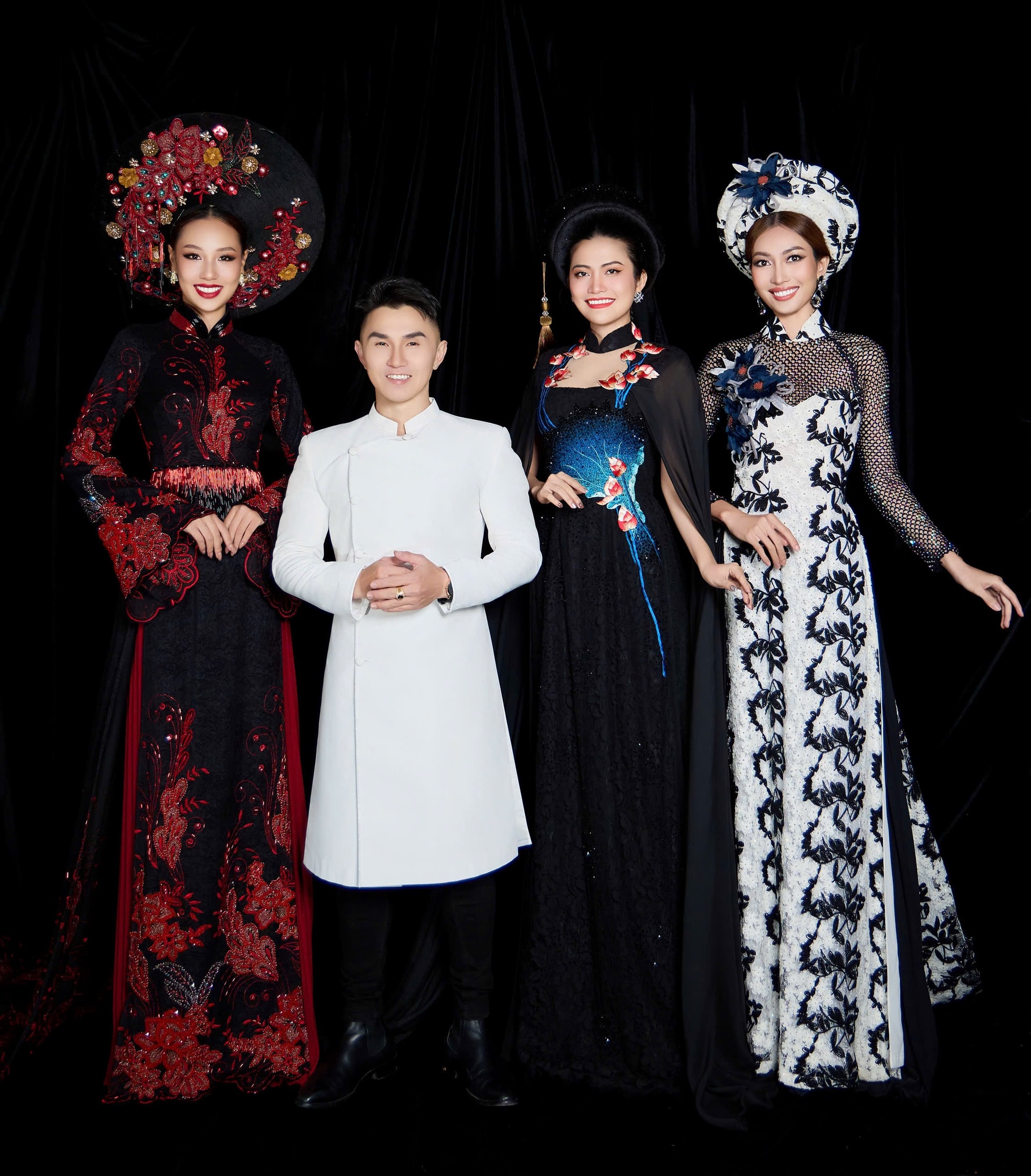
Model Tuong Linh echoed this sentiment: “Although I have performed in many countries, what makes me most proud is wearing an ao dai bearing the imprint of my homeland. It is not only stage attire but also a way to introduce my culture and local identity to international friends.”
Today, floral ao dai are no longer merely decorative or confined to performance. They are gradually integrating naturally into contemporary life as a vibrant expression of youthful creativity — where tradition continues through fresh and dynamic inspiration.
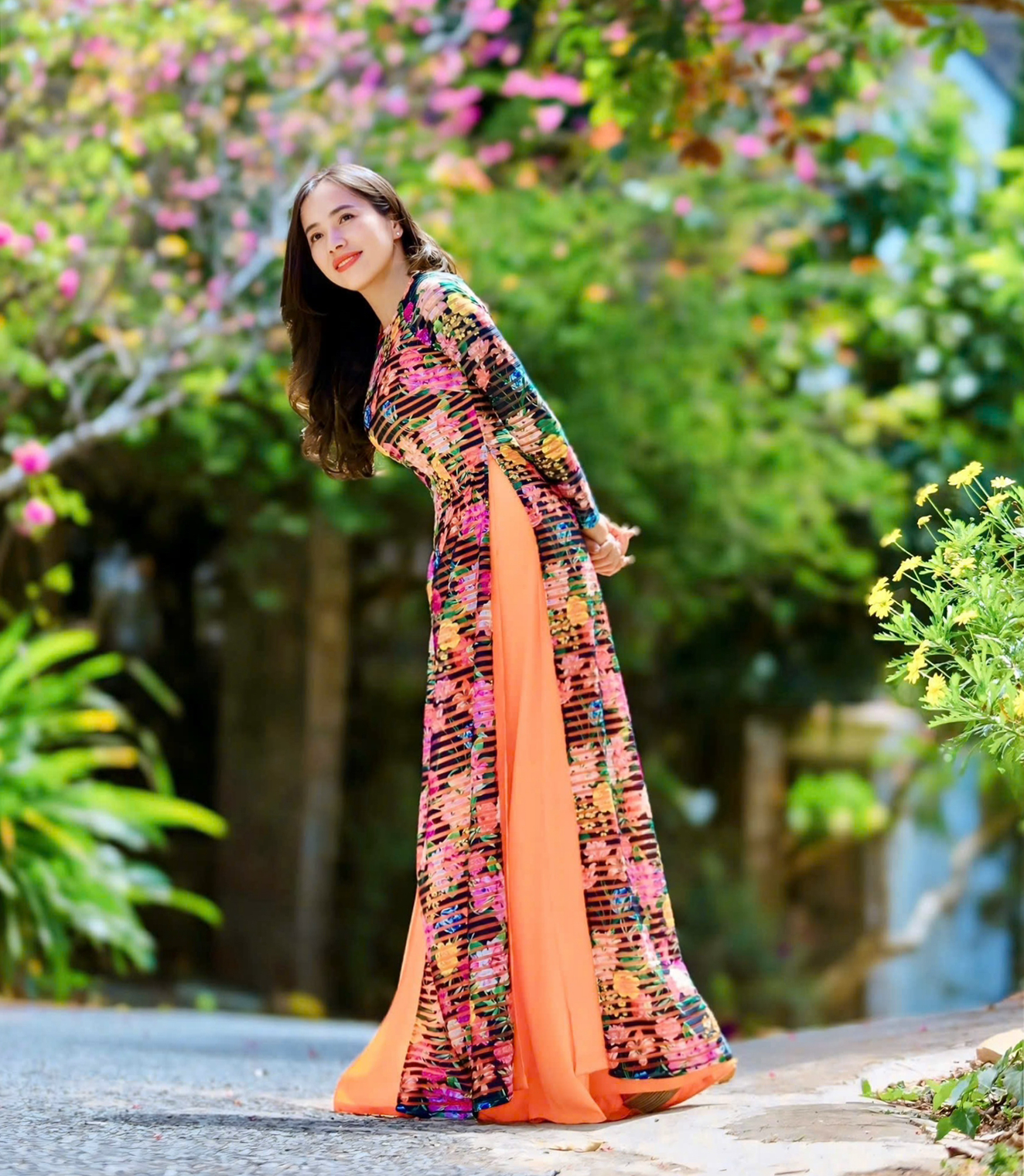
Reflecting on this development, Ms. Phan Thi Xuan Thao, Vice Chairwoman of Xuan Huong- Da Lat Ward, who has participated in organizing successful fashion shows and the “Da Lat – Hoa va Em” Ao Dai Festival, remarked: “The ao dai is a cultural memory of the Vietnamese people. What has concerned me for years is how to ensure young people do not see it as a garment of the past. When I witness their creativity driven by genuine love, I believe the ao dai will continue to live in modern life.”
They are not only continuing tradition but renewing it — not viewing heritage as something to be preserved unchanged, but as material for further development.
Ms. Phan Thi Xuan Thao, Vice Chairwoman of Xuan Huong- Da Lat Ward
According to her, Da Lat possesses unique advantages: inspiring natural landscapes, a dynamic community of young artists, and visitors who appreciate beauty. If these three elements are effectively connected, floral ao dai could become a distinctive cultural–tourism product of the city.
Thus, floral ao dai are no longer merely decorative variations of the classic form but are emerging as a distinct design line — where painting, craftsmanship, fashion, and local identity converge. They remain deeply rooted in tradition, yet possess the contemporary edge required to captivate global attention.
In the world of creativity, there is no final destination. And today’s young designers continue searching for new ways to make flowers bloom on silk — allowing the ao dai to flow gracefully through modern life while preserving its traditional soul.
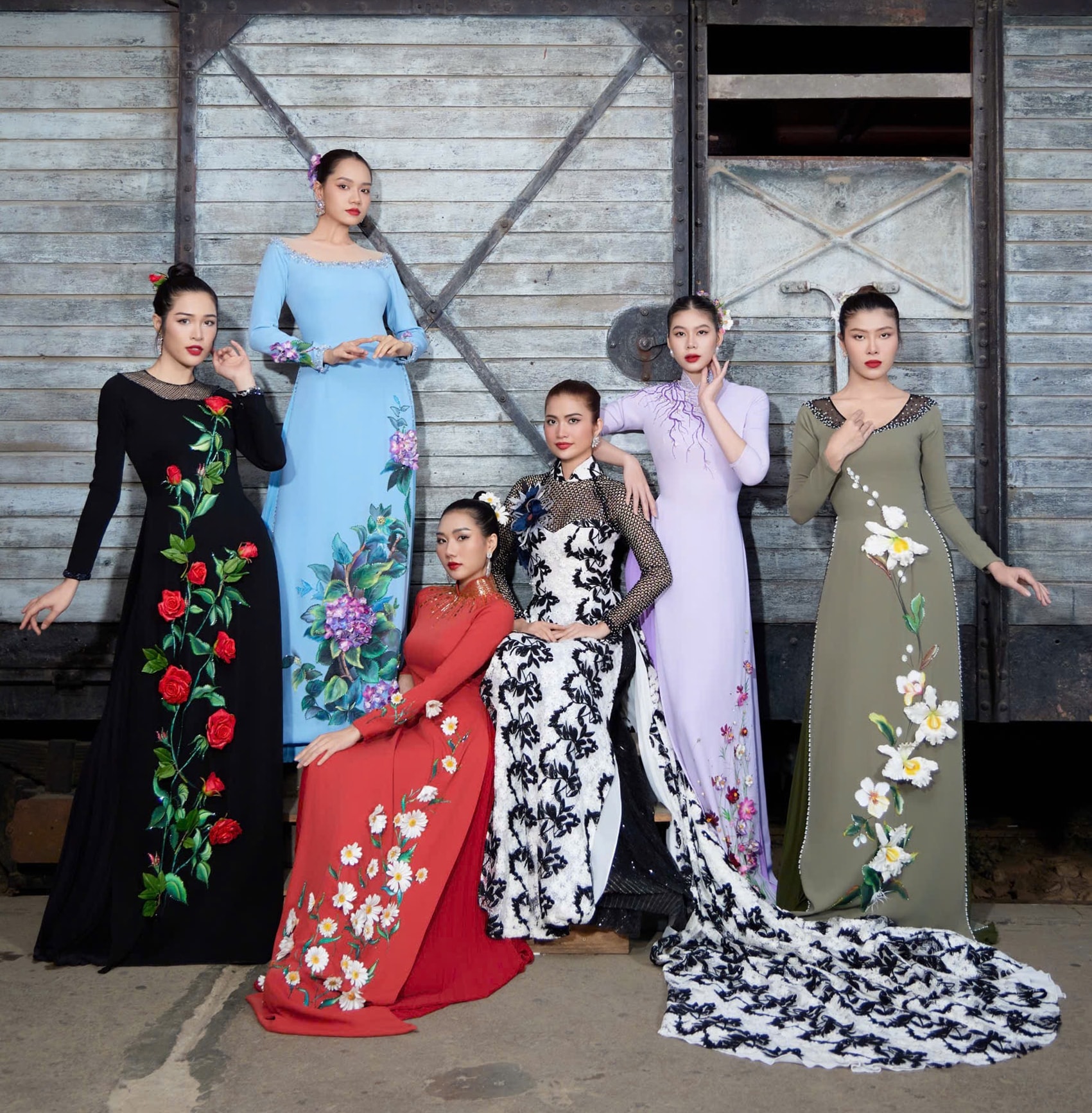
Perhaps the most valuable aspect is not the splendid garments on stage, but the spirit they spread: creativity rooted in heritage and pride grounded in identity.