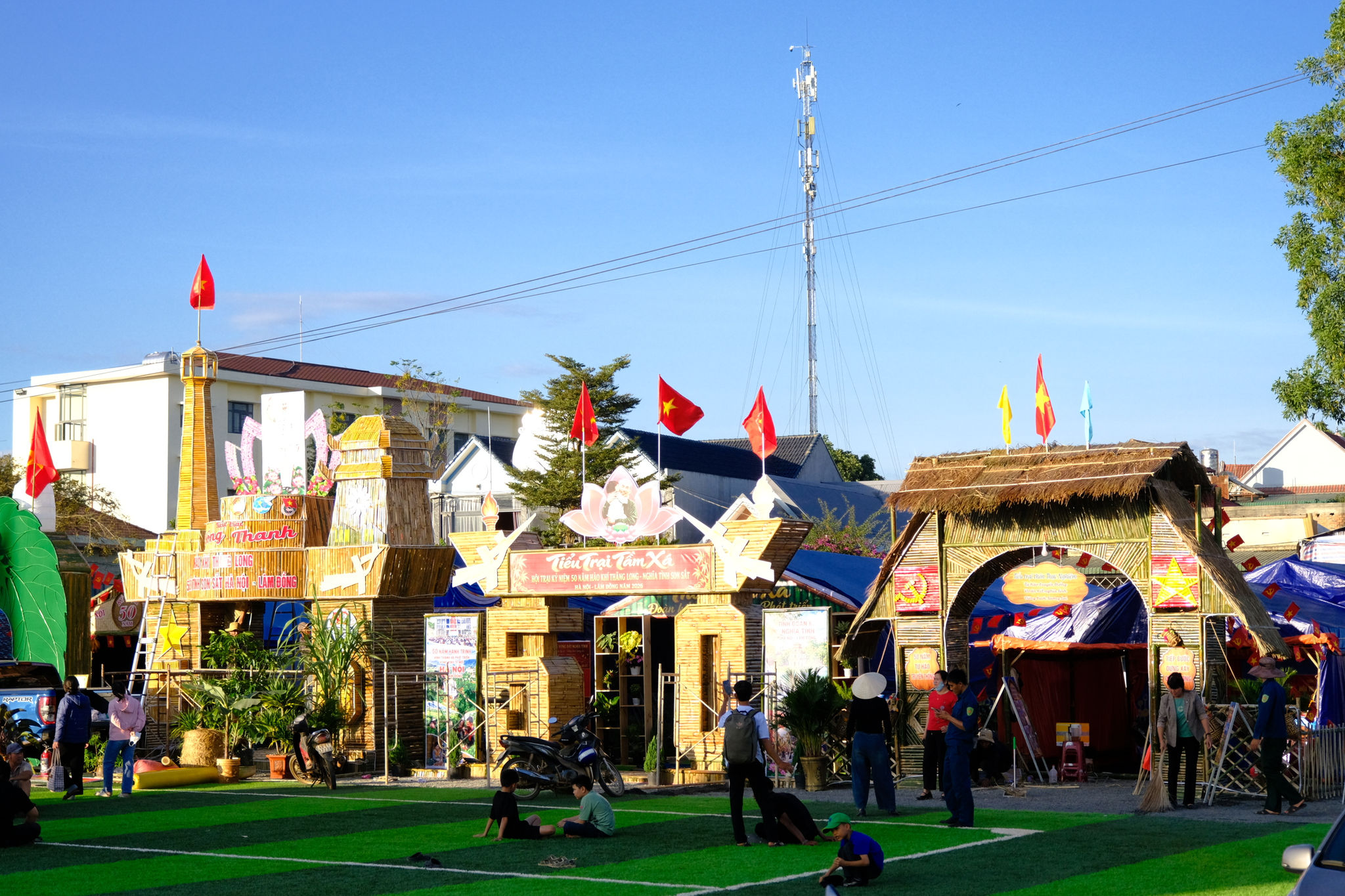
Thousands of kilometers from the capital, in the Central Highlands of Lam Dong, names such as Ba Dinh, Dong Da, Dong Anh, Gia Lam and Hoan Kiem are still spoken with deep affection. This is Nam Ban Lam Ha, where nearly half a century ago, people from Hanoi left their homeland to build a new economic zone.
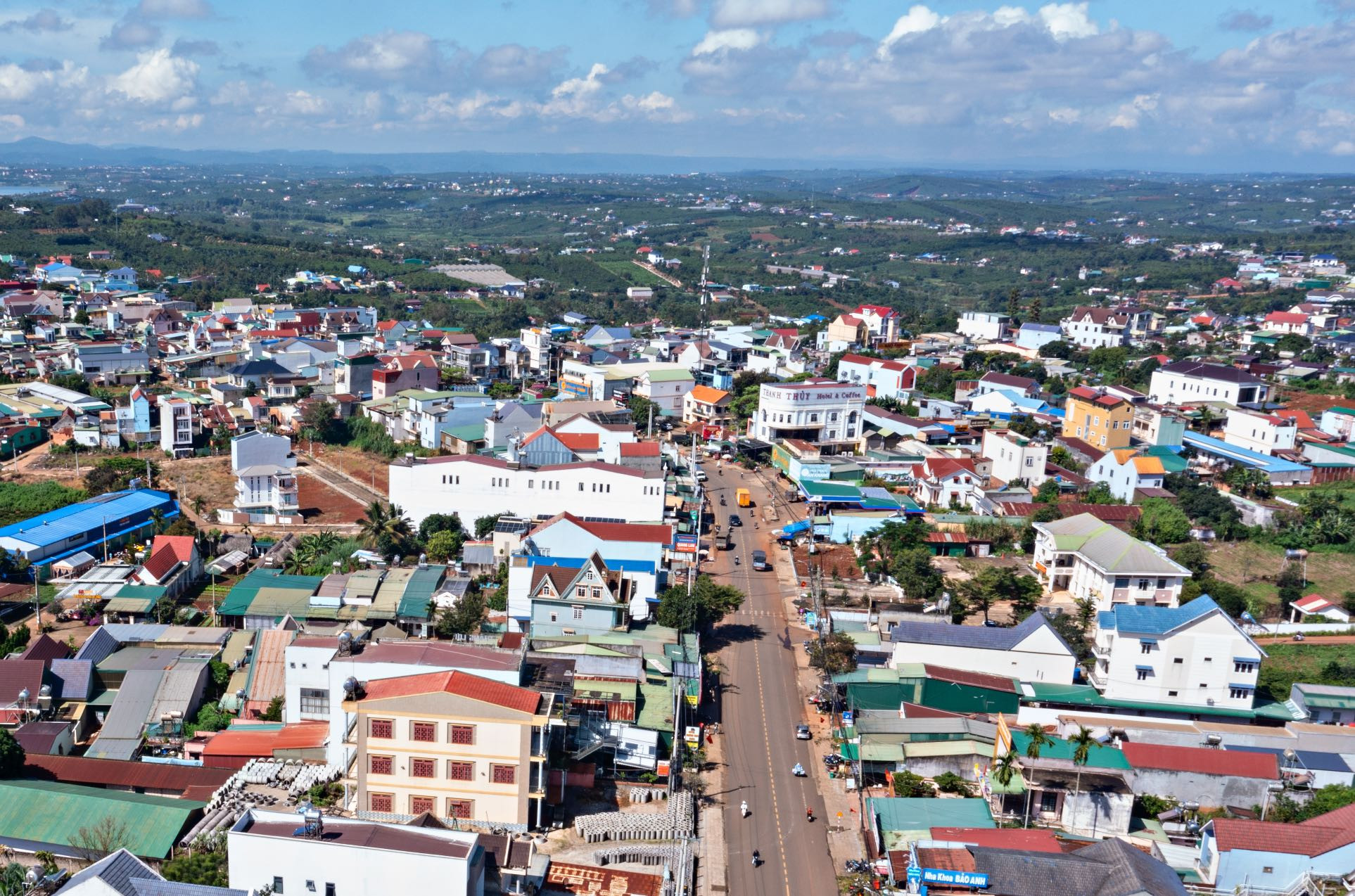
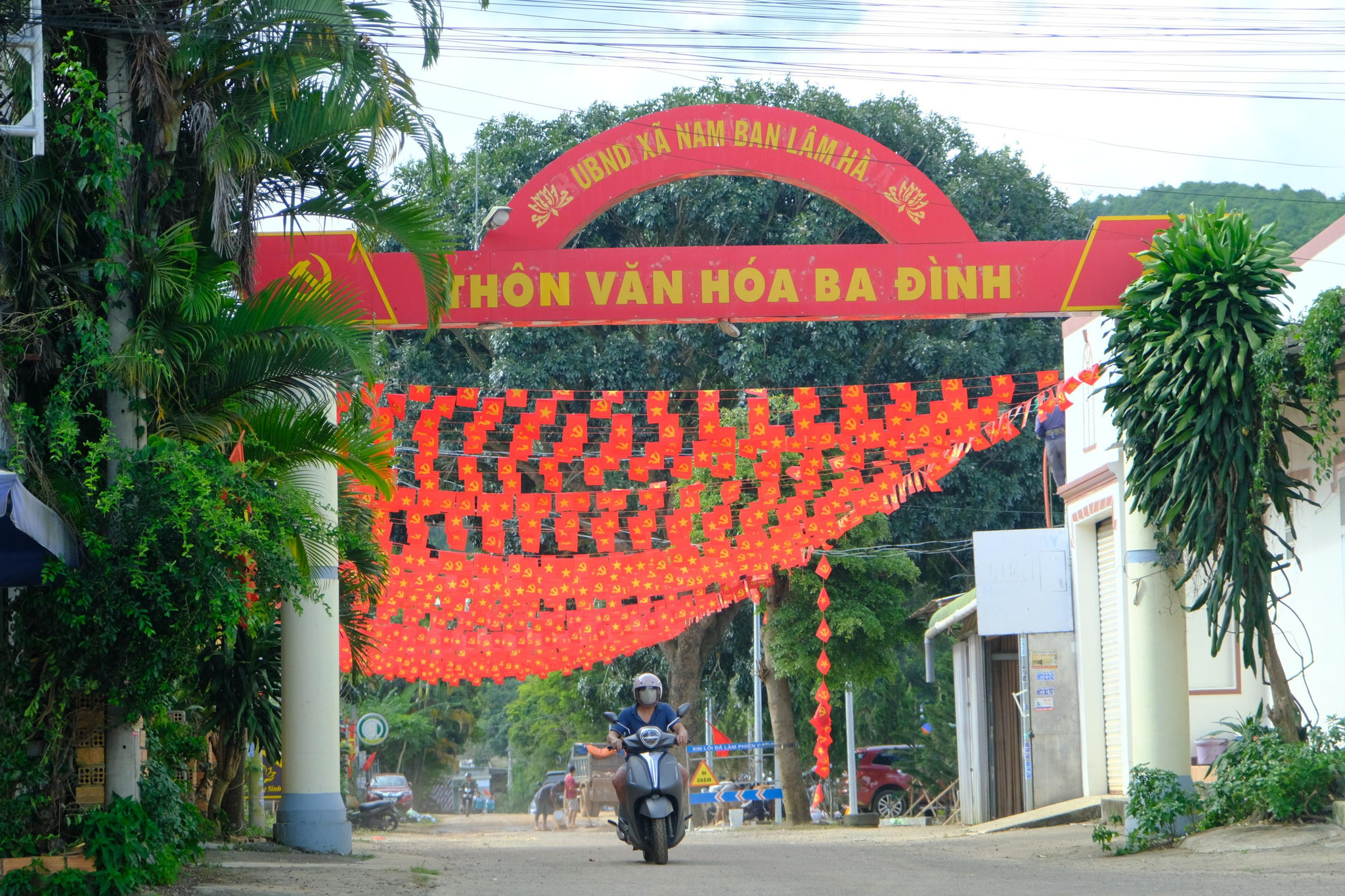
The center of Nam Ban Lam Ha Commune today.
Preserving Traditional Crafts in a New Homeland
Lush green coffee hills, expansive mulberry gardens and spacious homes lining increasingly open roads give Nam Ban Lam Ha the appearance of a developing rural community today. Few would imagine that nearly 50 years ago, this area was largely undeveloped, presenting significant hardships and challenges to the people from Hanoi who came to settle here.
Through diligence, perseverance and hard work, successive generations of residents gradually cleared the land and developed production, transforming the red basalt soil into flourishing coffee and pepper plantations and fruit orchards. Yet the pioneers brought more than the determination to establish new livelihoods.
Alongside their families, they carried traditional crafts, skills and practical knowledge accumulated over generations, as well as their enduring love for their Hanoi homeland.
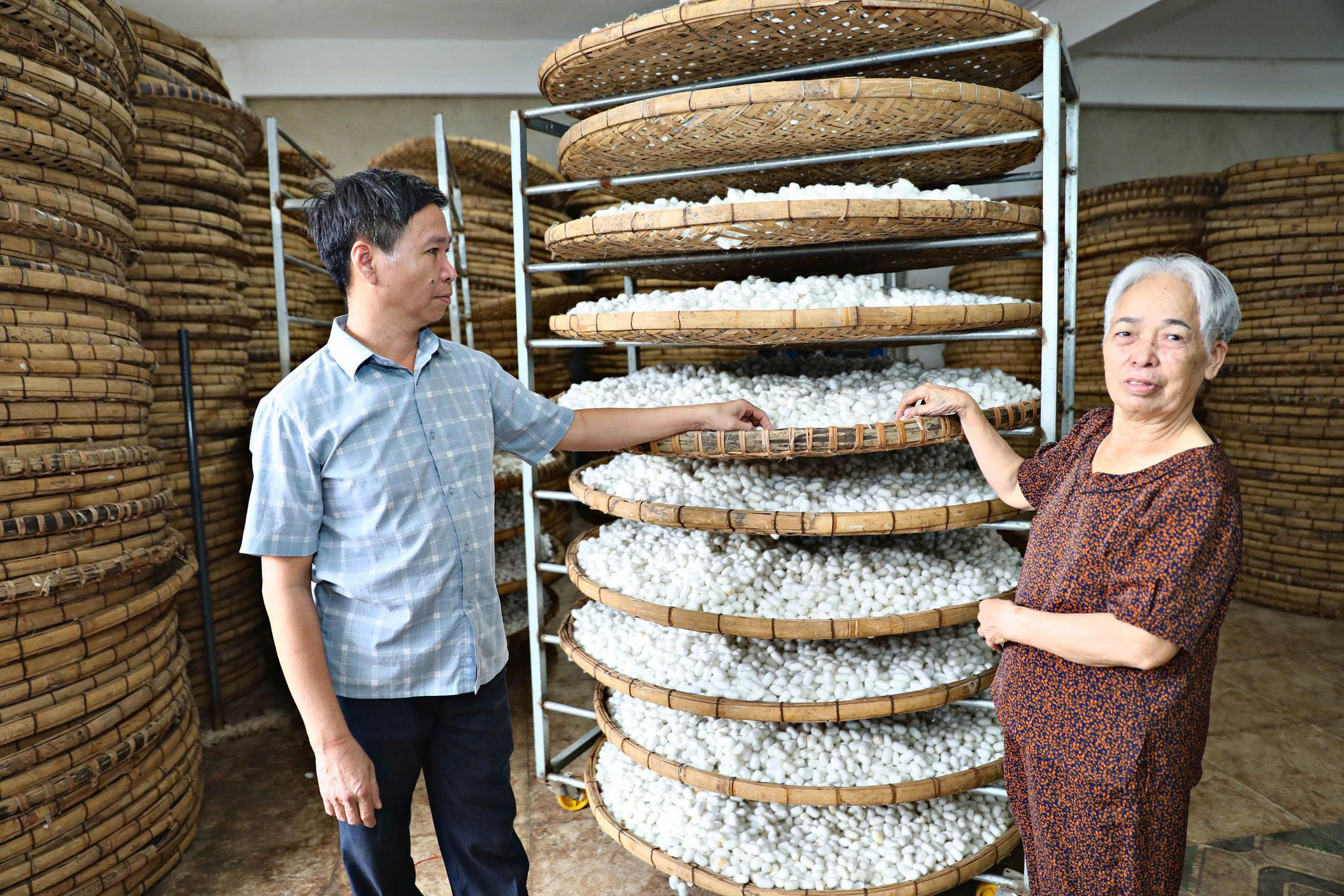
Silkworm trays, white cocoons and shimmering silk threads reflect the traditional craft brought by Hanoi settlers who came to build new lives in Nam Ban Lam Ha.
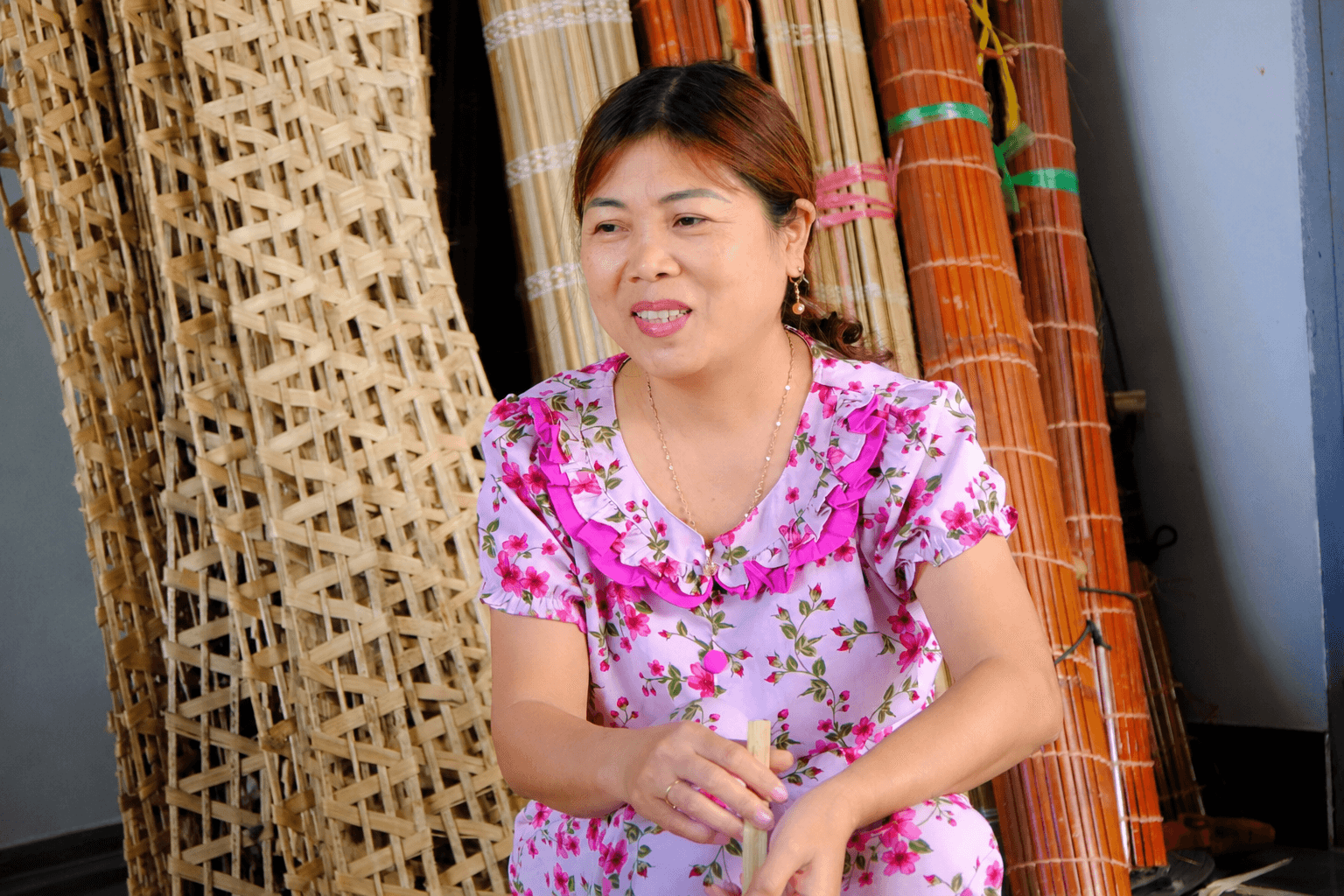
In Tu Liem Hamlet, Nam Ban Lam Ha Commune, Nguyen Thi Tam has spent more than 30 years weaving baskets and making other handicrafts. Using simple strips of bamboo, she skillfully makes large woven trays, winnowing baskets and other items for everyday use.
Basket weaving was once closely tied to local household and agricultural needs, from roofing to supporting silkworm farming. Over time, some products have also evolved into handicrafts for decorative and artistic purposes.
Nguyen Thi Tam of Tu Liem Hamlet, Nam Ban Lam Ha Commune, has spent more than 30 years practicing basket weaving and handicrafts passed down from Hanoi's traditional villages.
Also in Tu Liem Hamlet, Pham Ngoc Quynh has practiced basket weaving for 37 years. For craftspeople such as Tam and Quynh, the work is more than a livelihood; it also carries forward a part of the collective memory of those who came to build a new life. Each product reflects not only meticulous workmanship and experience but also a craft tradition passed down from earlier generations.
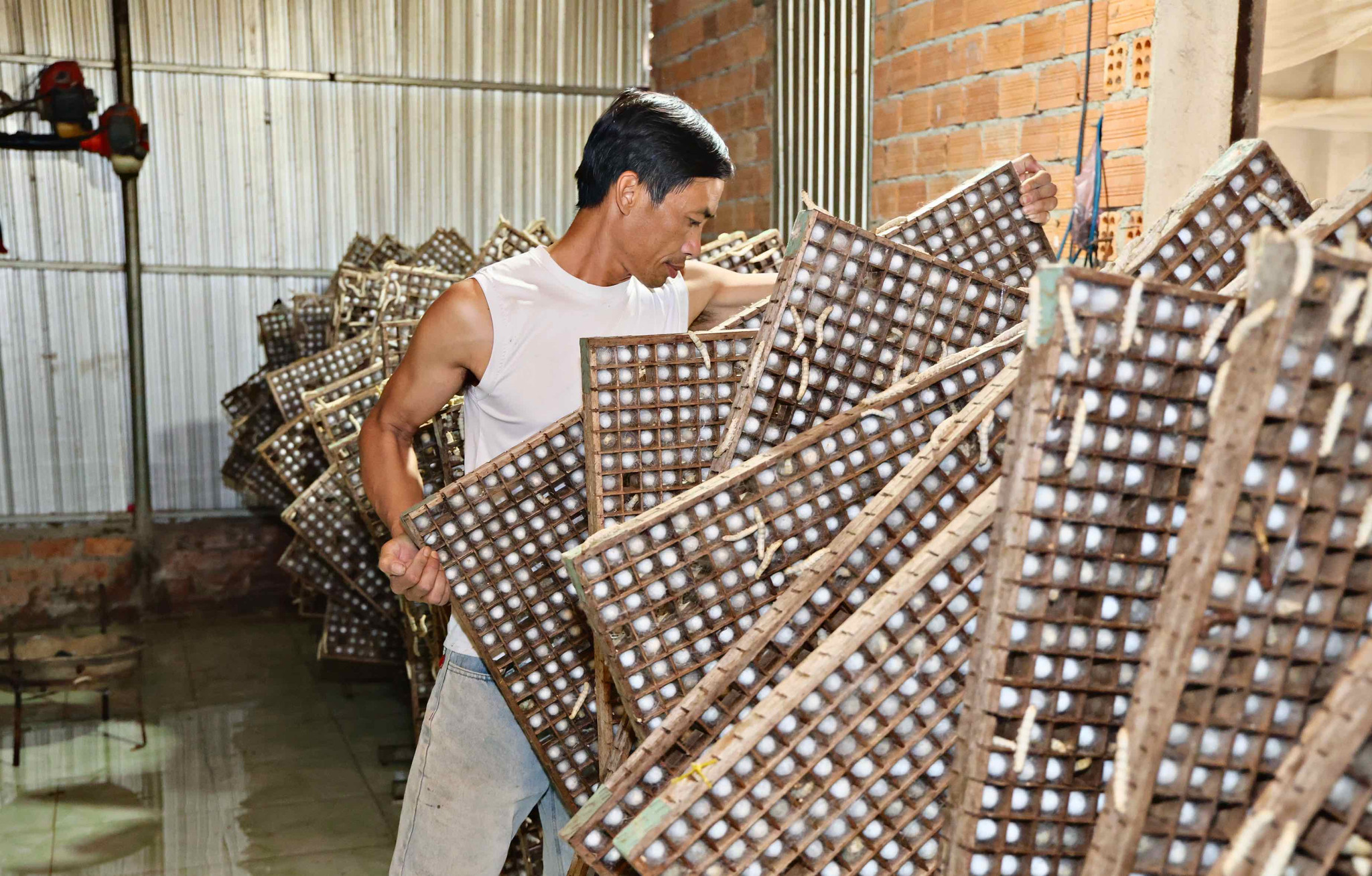
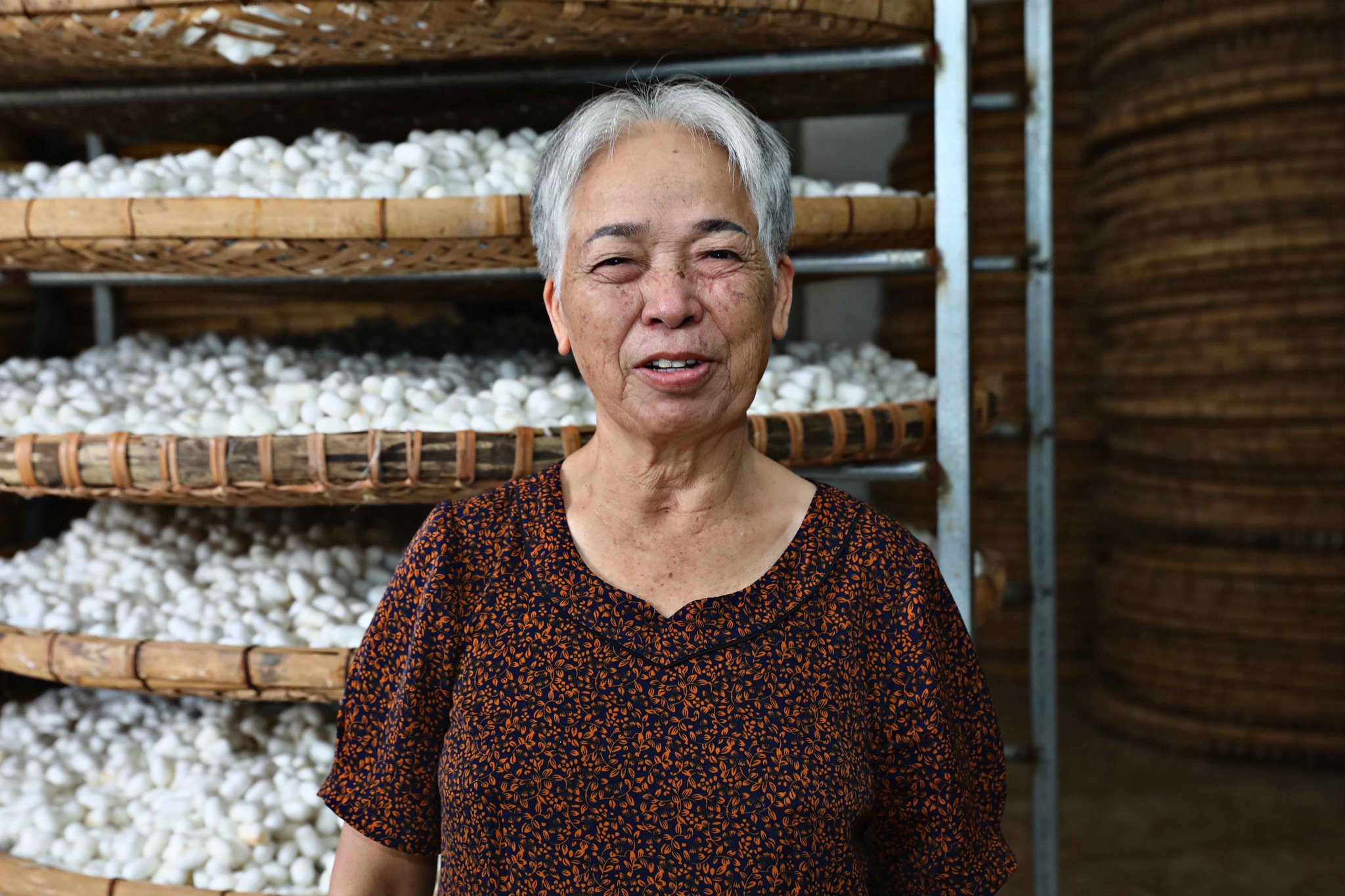
Alongside basket weaving, mulberry cultivation, silkworm raising, silk reeling and weaving have become distinctive features of Hanoi's cultural legacy in the new settlement. Silkworm trays, white cocoons and shimmering silk threads evoke traditional occupations from the settlers' homeland while providing livelihoods and opening up economic opportunities for many families.
Mulberry cultivation, silkworm raising, silk reeling and weaving remain distinctive elements of Hanoi's cultural heritage in the new settlement of Lam Ha.
Le Thi Trong, now 75, moved to Nam Ban Lam Ha in 1978. She recalled that in the early years, her family brought with them the skills of silkworm raising, silk reeling and weaving, maintaining production through traditional manual methods. The work depended largely on human labor and the collective efforts of family members, relatives and neighbors.
From manually operated silk-reeling tools to labor-intensive processes requiring patience and perseverance, the traditional craft accompanied her family through many ups and downs. As production conditions changed, the second generation continued developing the trade, investing in machinery, expanding operations and bringing production to a new level.
“
In the early years, our family mainly produced silk by hand, relying on human labor and the contributions of family members, relatives and neighbors.
Le Thi Trong, Nam Ban Lam Ha Commune
This journey demonstrates that the vitality of traditional crafts lies not only in preserving old techniques but also in adapting to modern life. Core values remain intact while production methods gradually evolve, allowing the crafts to survive and develop.
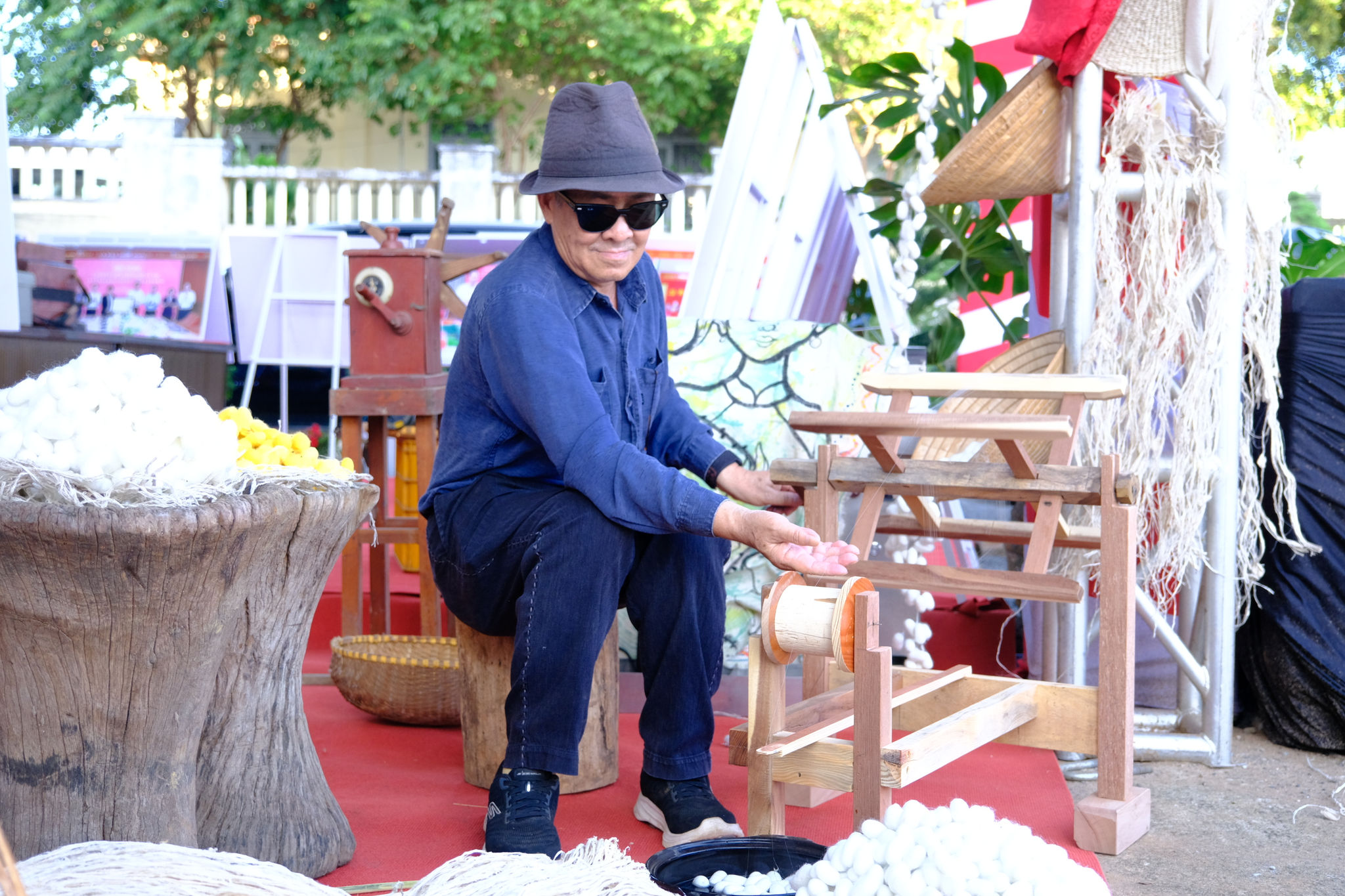
Hanoi natives recreate the traditional manual silk-reeling process used in the early days of settlement in Lam Ha.
Nearly half a century after settling in the highlands, traditional occupations—from handmade household goods to larger-scale production—have become part of the story of Hanoi residents building new lives in Nam Ban Lam Ha. It is a story of diligence, adaptability and a commitment to preserving values passed down through generations.
Village Names That Carry Memories of Home
Hanoi's legacy in Nam Ban Lam Ha is preserved not only through traditional crafts but also through the familiar names of villages and hamlets.
Thang Long, Ba Dinh, Dong Da, Tu Liem, Gia Lam, Hoan Kiem and Dong Anh are among the place names associated with the capital that settlers brought with them as they embarked on building a new economic zone. These names embody their longing for and attachment to their homeland.
Hanoi's legacy in Nam Ban Lam Ha is also reflected in the familiar names of villages and hamlets.
In the new settlement, the names have offered those living far from home a sense of familiarity while serving as a link between the past and present. Over nearly half a century, generations have lived and grown up in Nam Ban Lam Ha. For those who left Hanoi to establish new livelihoods, the village names evoke their birthplace and ancestral roots. For younger generations born in the highlands, they represent a heritage passed down through the stories of grandparents and parents.
Through these familiar names, stories of Hanoi have been preserved within families, local communities and everyday life. Memories of the homeland, the first days in the new settlement, and the years spent clearing land, building homes and developing production have gradually become shared memories of a community shaped by a distinctive migration journey.
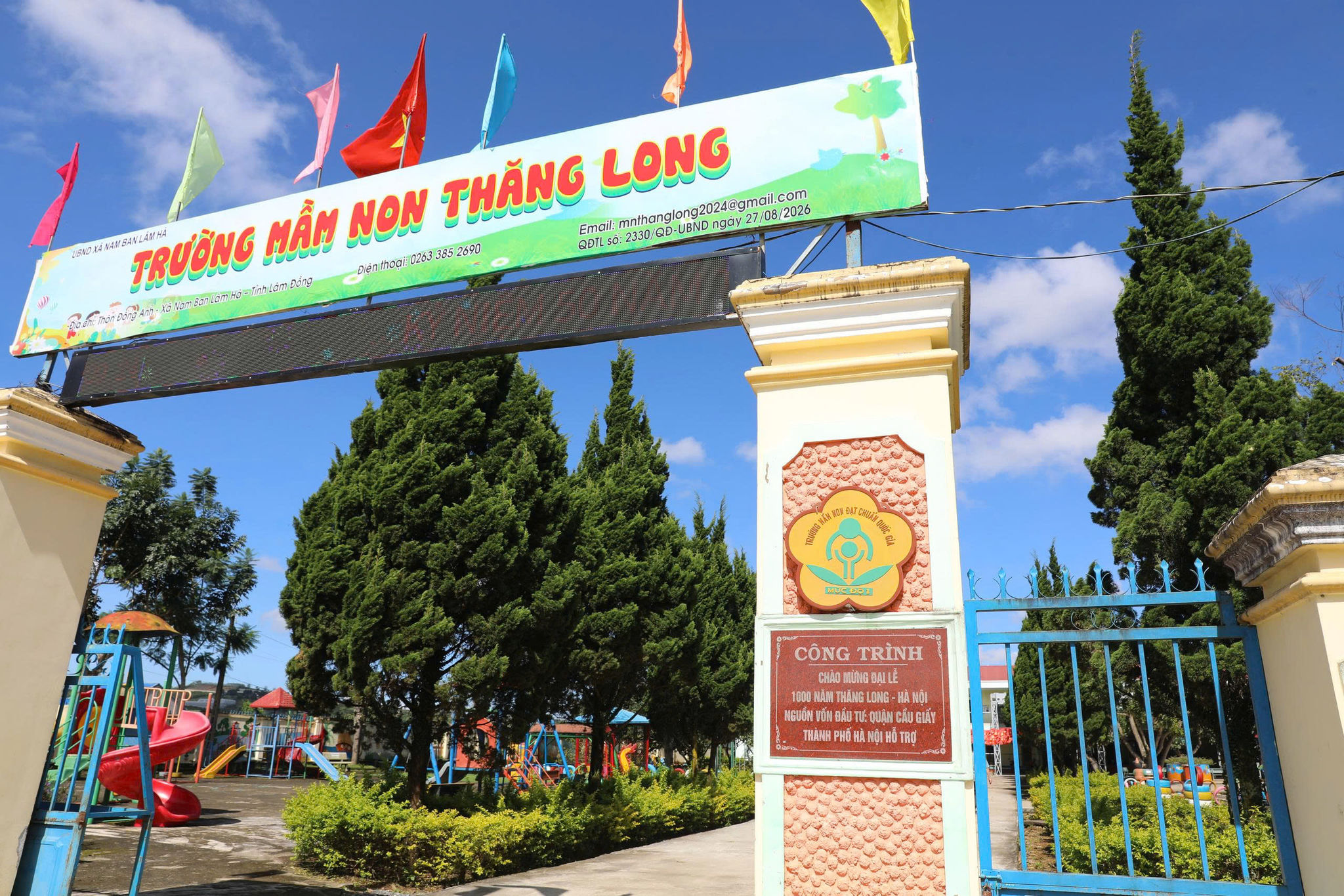
Thang Long Kindergarten was built with funding provided by the former Cau Giay District of Hanoi.
This connection is also reflected in dishes associated with Hanoi's culinary traditions. Amid the Lam Dong Highlands, a steaming bowl of "pho" with its rich broth, delicate "banh cuon" rice rolls and fragrant "bun cha" continue to evoke powerful memories for those living far from home.
Behind each dish lie recipes, tastes and culinary knowledge preserved within families. Over time, these flavors have not only served the culinary needs of the Hanoi community but have also become familiar to local residents. In this way, traditional cuisine has added another dimension to the cultural life of Nam Ban Lam Ha.
Hamlets across Nam Ban Lam Ha Commune take part in a campsite festival marking the 50th anniversary of Hanoi's new economic zone in Lam Dong, with names such as Dong Thanh and Tam Xa recalling familiar places in Hanoi.
For those who continue practicing traditional trades, preserving familiar flavors is also a way of safeguarding family memories and their love for their homeland. For younger people, carrying on family businesses and exploring the cuisine of their ancestors offers a way to better understand their roots.
Amid the highlands, where coffee and mulberry cultivation have become familiar features of the landscape, village names, traditional crafts and regional dishes together form a distinctive cultural environment. Here, Hanoi lives on not only in the memories of earlier generations but also in the daily lives of those born and raised in the highlands, who continue to enrich the land that is now part of Lam Dong.