


Can Smallholder Farmers Obtain Durian Growing Area Codes?
Despite the many challenges associated with small-scale durian production, farmers can still obtain growing area codes for export if they invest appropriately and strengthen cooperation.
Challenges of Small-Scale Production
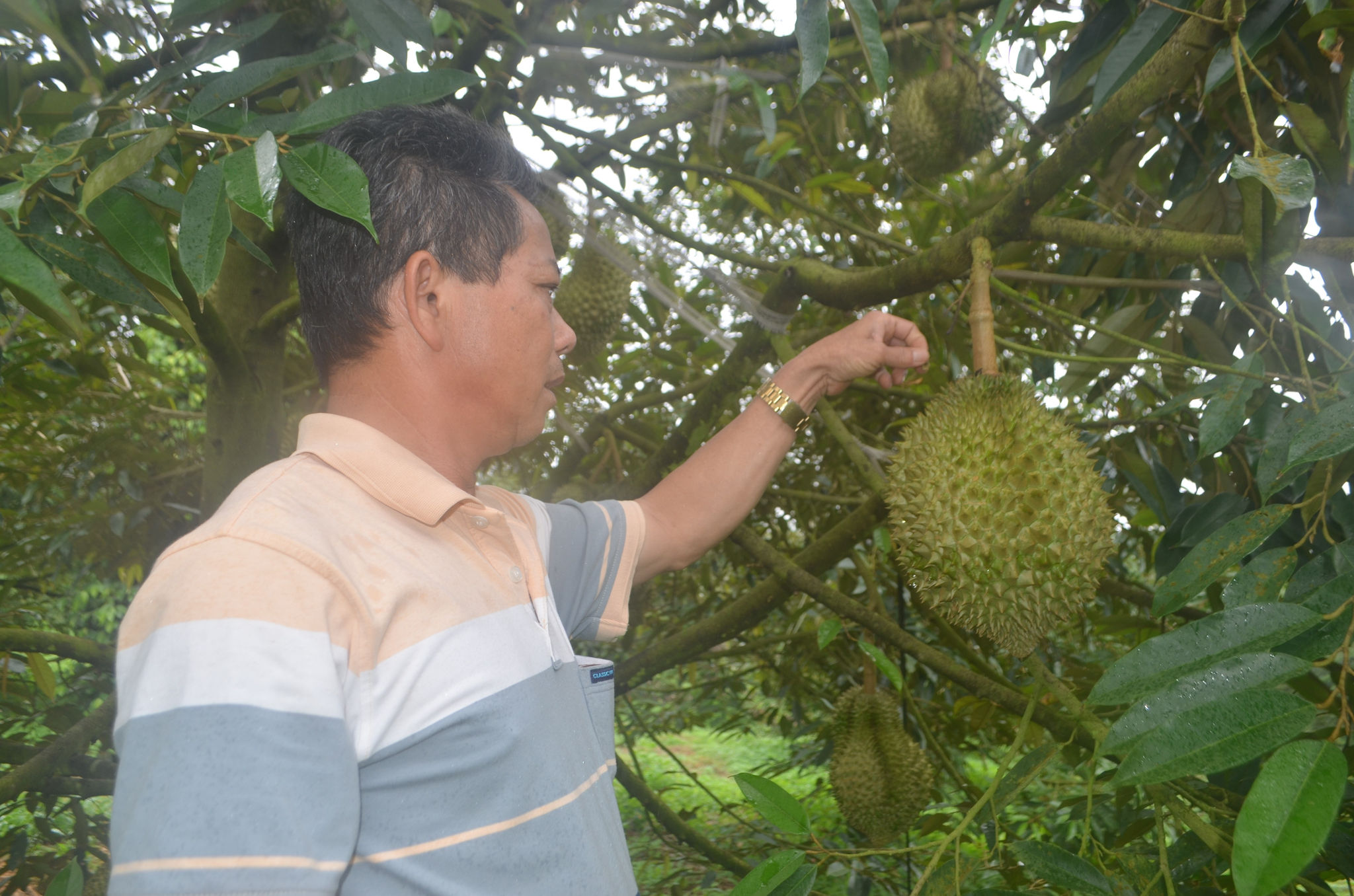
Nguyen Xuan Tho, a farmer in Duc Tan Hamlet, Duc Lap Commune, said that many local households cultivate durian either in intercropping systems or on small-scale dedicated farms, typically ranging from one to two hectares per household. Intercropping durian with coffee has helped stabilize incomes for local farmers. However, achieving long-term economic sustainability from durian remains difficult, as regulations require each export-growing area code to cover at least 10 hectares.
Similarly, Nguyen Van Thong, who owns a durian orchard in Tan Loi Hamlet, Nam Gia Nghia, said his family cultivates one hectare of durian as a single crop. For many years, his harvest has been sold at relatively low prices and remains heavily dependent on traders. Product quality has also fallen short of expectations due to factors such as adverse weather conditions and limited cultivation experience. Although many households in his area grow durian, he has not yet considered collaborating with neighboring farmers to establish a growing area code for export.
The western region of the province currently has approximately 13,000 hectares of durian, including around 6,500 hectares in commercial production, with annual output estimated at 68,000 tons. Alongside concentrated production zones and areas already granted growing area codes for export, a large proportion of durian is still cultivated through intercropping systems or on small plots. This reality creates disadvantages in orchard management, fertilizer application, plant protection practices, and the establishment of growing area codes, both in terms of scale and product quality.
Quality and Cooperation Are Key
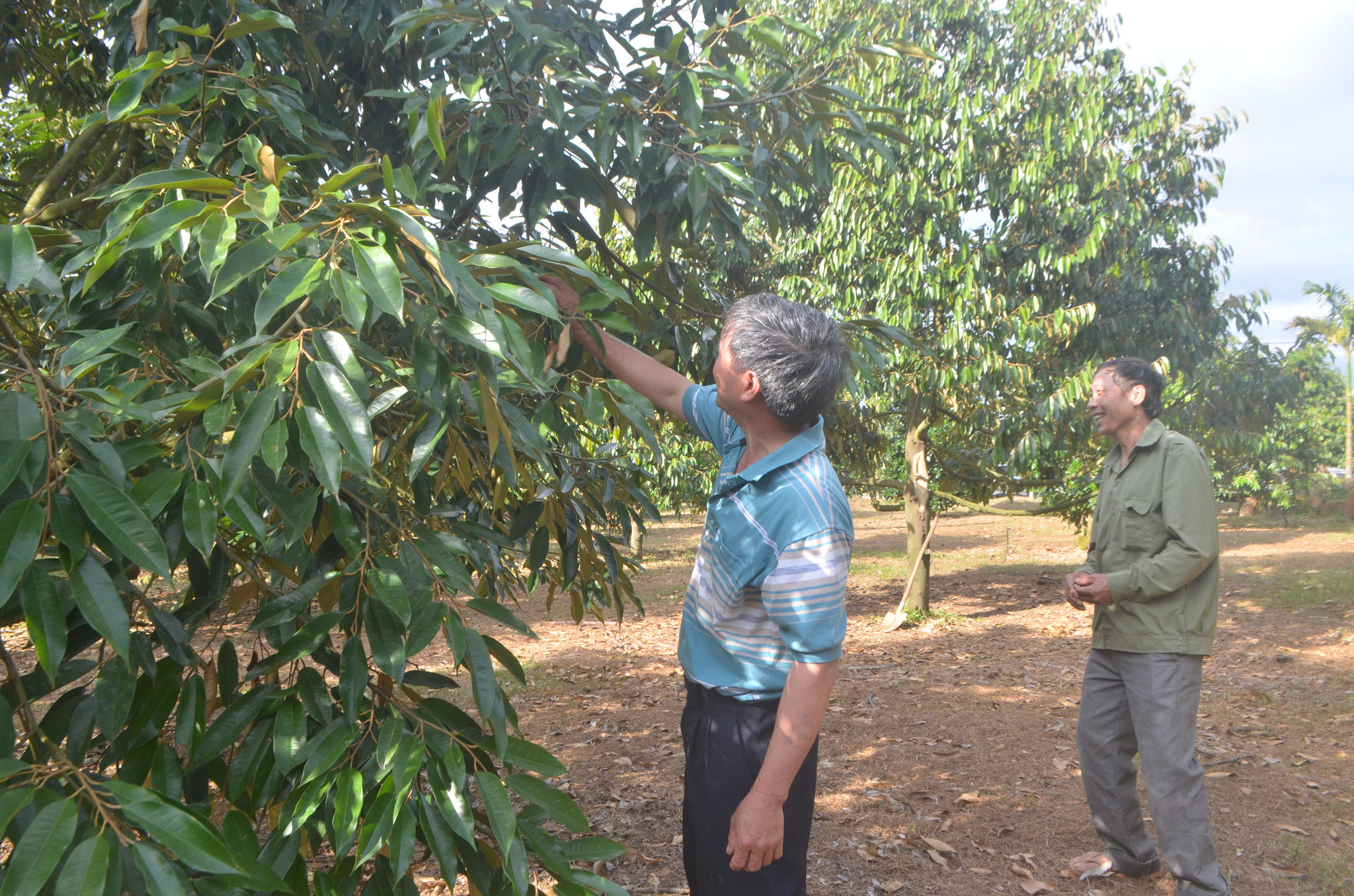
According to Nguyen Thanh Tam, a consultant for the United Nations Development Programme (UNDP) who is supporting Lam Dong Province in developing sustainable value chains for key agricultural products, farmers—especially smallholder durian growers—need greater access to training and technical guidance on Integrated Pest Management (IPM).
He emphasized that effective implementation of IPM practices is critical to ensuring product quality. Product quality, he noted, is the foundation for increasing value and income while creating the conditions necessary for gradually establishing export-certified growing area codes.
Nguyen Van Chuong, Director of the Provincial Agricultural Extension Center, said that sustainable and highly profitable durian cultivation requires advanced farming techniques and effective pest and disease management. However, many farmers still face limitations in adopting technical innovations and lack sufficient production experience. In some cases, excessive use of chemical fertilizers and pesticides continues to affect the quality of export-oriented durian.
Chuong noted that the province’s agriculture and environment sector is currently implementing a range of measures to address these challenges. Priority is being given to communication and awareness raising campaigns on policies, development plans, and strategies for the durian industry. The goal is to help farmers adopt modern production practices, apply technological advances, and strengthen production linkages to ensure export-quality products and maintain stable market access.
Farmers must recognize their role as the primary decision-makers responsible for food safety and product quality. This responsibility begins with careful management of production inputs, including land preparation, planting materials, agricultural inputs, and fertilizer use, to ensure that high-quality products reach consumers.
.jpg)
Relevant agencies and local authorities are also expanding training programs, technology transfer initiatives, and capacity-building activities for farmers and cooperatives. At the same time, they are guiding producers in adopting VietGAP, GlobalGAP, and organic production standards while supporting the establishment of growing area codes and the development of packing facilities for export.
Ultimately, the key to sustainable export development for smallholder durian farmers lies in moving beyond fragmented production and isolated operations. Instead, farmers are encouraged to join forces through cooperatives and producer groups. Such collaboration makes it easier to expand production at a localized scale, meet area and output requirements, and successfully register growing area codes for export markets.