


Da Lat’s Night Economy Is More Than Crowded Streets
The suspension of Tran Quoc Toan Pedestrian Street after a one-year pilot highlights the need for a more strategic approach to Da Lat’s night-time economy, focusing on high-end visitors, cultural experiences, private investment and solutions to infrastructure bottlenecks.
The Paradox of Crowds and Low Economic Returns
Da Lat was one of 10 localities nationwide selected to pilot the development of a night-time economy in 2020. To put this policy into practice, Lam Dong Province issued a night-time economy development plan in 2023, with a vision to 2030.
The plan covered several key areas, from a musical fountain park and a food street to the Hoa Binh area and entertainment spaces around Tuyen Lam Lake National Tourism Area. Its objectives were to create new tourism products, increase local incomes and ease traffic pressure in the central area.
The slowdown at Tran Quoc Toan Pedestrian Street, which was temporarily suspended after a one-year pilot due to low visitor numbers and traffic congestion, has highlighted the need to reconsider the approach. Closing roads on weekends, setting up stalls and organizing isolated performances have proved insufficient to create a complete night-time economic ecosystem, while adding pressure on traffic.
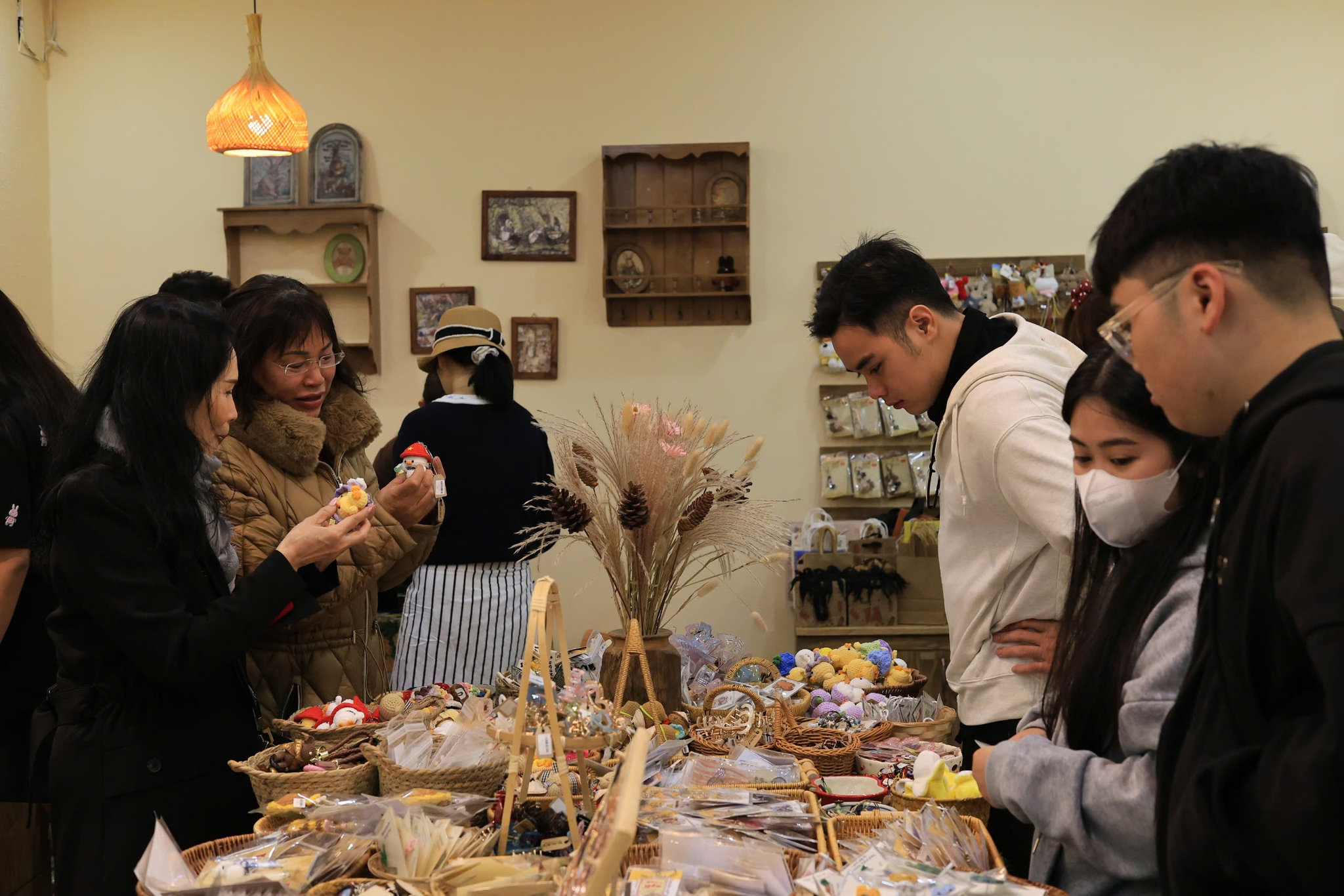
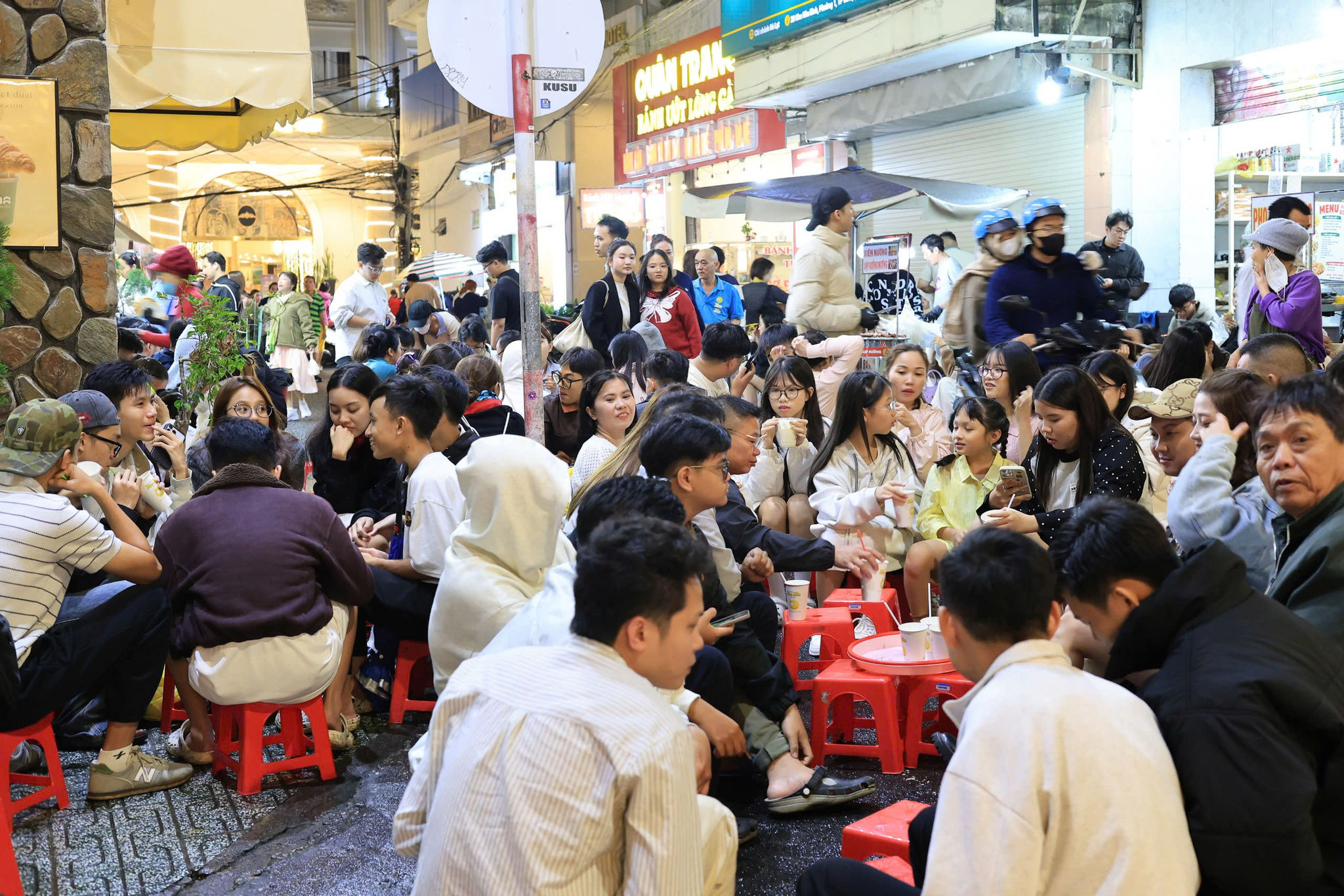
In practice, there is a tendency to confuse crowded streets at night with a genuine night-time economy. Images of thousands of visitors flocking to the central area and night market on weekends largely reflect low-value spending. A fully developed night-time economy, meanwhile, requires substantial urban operating costs, including lighting systems, security personnel, medical services, waste collection and fire prevention and firefighting.
Statistics for the first nine months of 2026 show that Lam Dong Province welcomed more than 18.5 million visitors, generating total tourism revenue of over VND 51.263 trillion. A basic calculation puts average spending at only around VND 2.77 million per visitor for an entire trip. This figure suggests that consumer spending remains concentrated on essential, lower-value services.
If mass tourism continues to dominate, with visitors prioritizing low-cost travel and free public spaces, the resulting revenue may not be enough to cover operating costs. In that case, the night-time economy would generate no meaningful financial surplus, leaving behind burdens associated with waste, noise and localized traffic congestion.
Restructuring the Visitor Market
At tourism forums, Vice Chairman of the Provincial People's Committee Dinh Van Tuan has repeatedly emphasized that the night-time economy cannot be developed indiscriminately across all areas. Instead, development must be focused on clear priorities and products tailored to market demand.
From an urban economic perspective, Nguyen Trung Hien, executive director of the Pho Ben Doi Creative Space, said: “Rather than pursuing a target of tens of millions of visitors, Da Lat should aim to serve 3–4 million visitors with good incomes who are willing to pay for high-quality services. This is the ‘key’ to solving the financial equation and building better infrastructure for visitors.”
Field assessments show that Da Lat's biggest bottleneck is the lack of dedicated night-time infrastructure, including parking facilities, public transport hubs and large-scale theaters. The state budget cannot shoulder the entire burden; socialized investment is needed to mobilize resources from the private sector.
“This investment will only flow into Da Lat when the destination clearly positions itself for target visitor segments willing to spend more. Continuing to push tourism toward the budget end of the market will leave the night-time economy struggling with small-scale, spontaneous services,” Hien noted.
In addition, spatial planning needs to be organized scientifically, with clearly defined functional zones to manage and direct economic activity. State management agencies should play an enabling role by establishing transparent regulations that give businesses the confidence to invest.
Cultural Depth: A Driving Force for the Night-Time Economy
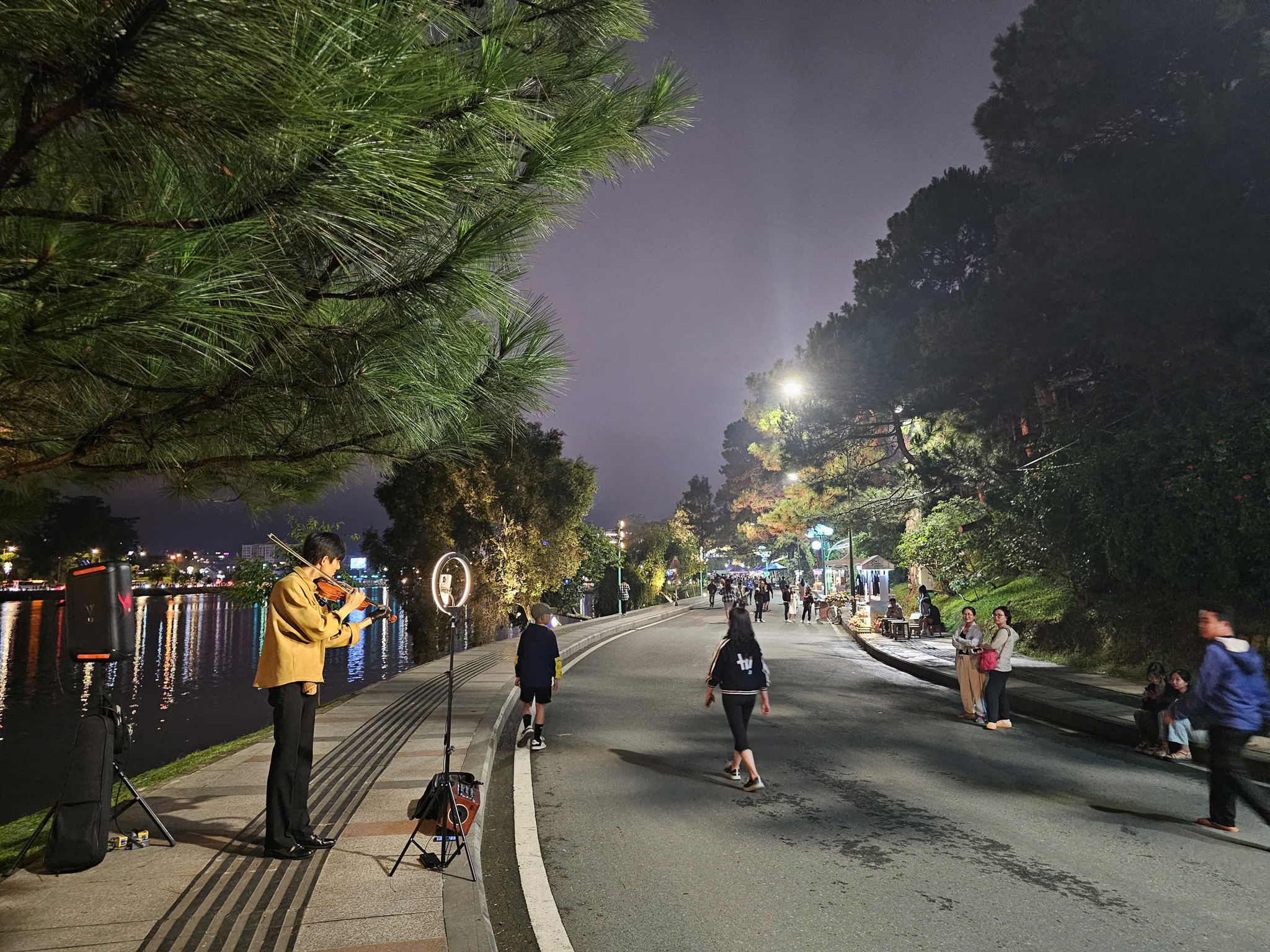
Da Lat is a member of UNESCO's Creative Cities Network in the field of music. Positioning the destination for visitors with greater spending power is fully consistent with this development orientation.
While mass-market visitors often favor visible, lively and noisy entertainment models, higher-value visitor segments seek deeper cultural experiences. These may include classical music concerts, art exhibitions combined with refined cuisine, or historic architectural landmarks.
Within this ecosystem, the night-time economy provides the stage, while high-end visitors are the audience willing to pay for the experience. Their spending can support artists and performers, creating incentives for creative professionals to continue contributing their work. Visitors may not pay directly to access public spaces, but they can contribute economically through associated premium accommodation, travel and dining services.
The suspension of Tran Quoc Toan Pedestrian Street can therefore be viewed as an opportunity to pause and reassess the urban planning model. Repositioning the target visitor market and emphasizing the cultural depth of a “creative city” do not mean turning away budget-conscious tourists. Rather, they mean restructuring tourism to reduce pressure on infrastructure.
Da Lat needs to move beyond the idea of building a night-time economy through sheer visitor numbers. Instead, it should establish mechanisms to attract investment and develop a service ecosystem commensurate with its ambitions. Only then can the night-time economy generate genuine economic returns rather than imposing additional burdens on the urban environment.
Statistics for the first nine months of 2026 show that Lam Dong Province welcomed more than 18.5 million visitors, generating total tourism revenue of over VND 51.263 trillion. This puts average spending at only around VND 2.77 million per visitor for the entire trip.