


Da Lat Urban Planning Balances Growth and Heritage
Da Lat’s five-ward urban plan opens up new development opportunities while placing culture, heritage and local identity at the heart of future growth
Culture woven into everyday urban life
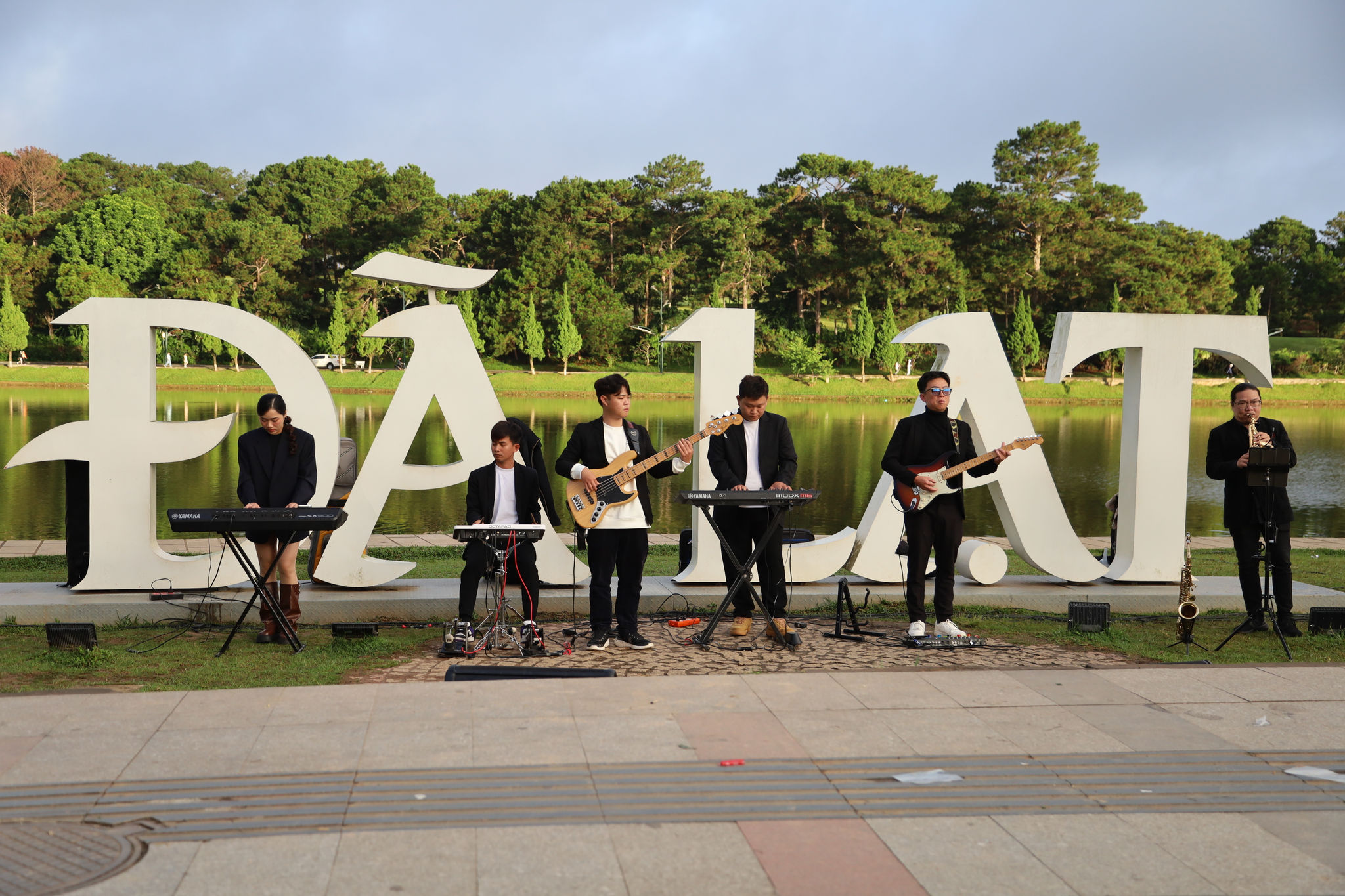
Mornings at Xuan Huong Lake often begin with people exercising, residents chatting and visitors strolling along the waterfront. On weekends, another sound joins the scene: the guitars and voices from street musicians.
There is no large stage and little distance between performers and audiences. These music programs create an informal space for interaction. Visitors can stop for a few minutes, enjoy a song, take a photo or simply sit by the lake and experience Da Lat in a different way.
Nguyen Thi Thao, a visitor from Hanoi, said she particularly enjoyed unexpectedly coming across live music in a public space.
“After a morning of sightseeing, sitting by Xuan Huong Lake and listening to music makes the trip feel more relaxing and memorable,” she said.
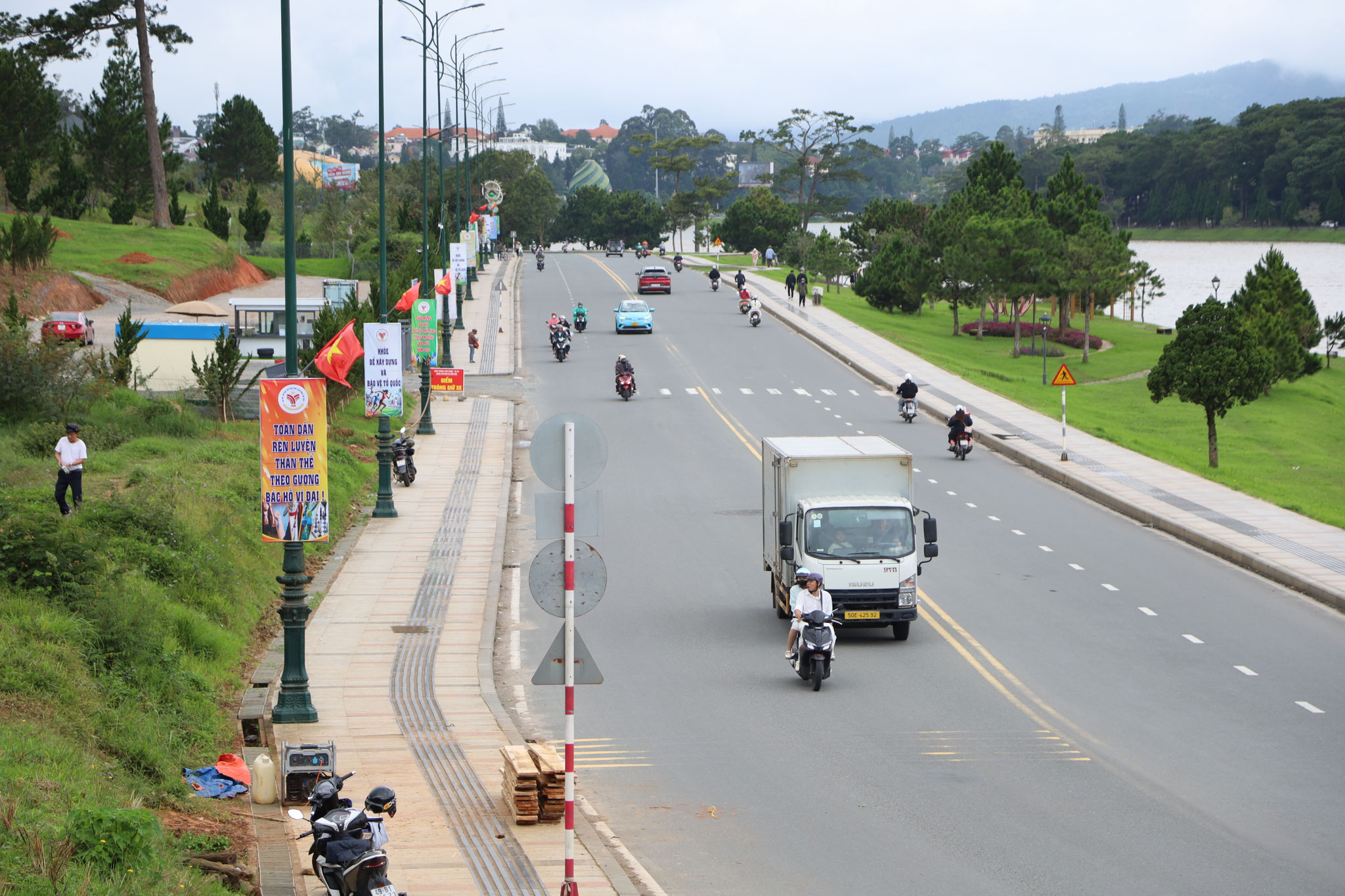
The experience reflects a broader question facing Da Lat as its urban footprint expands: how can new development create more space for residents and visitors while retaining the cultural character that makes the area distinctive?
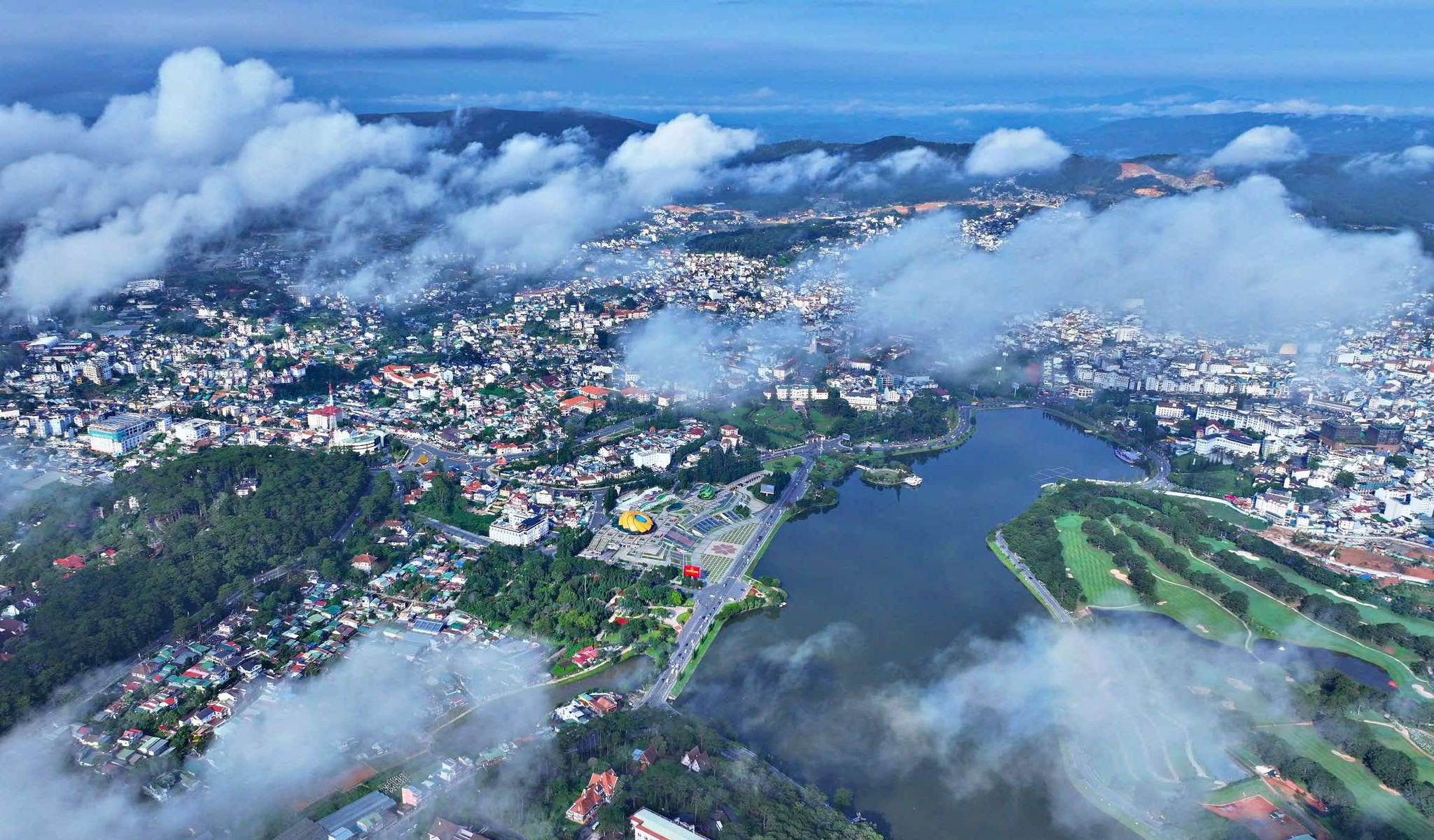
Under Decision No. 4452/QD-UBND dated September 5, 2026, the Lam Dong Provincial People's Committee approved the planning task for the five-ward urban area adjacent to the Da Lat area: Xuan Huong-Da Lat, Lam Vien-Da Lat, Cam Ly-Da Lat, Xuan Truong-Da Lat and Lang Biang-Da Lat.
The planning area covers approximately 68,089 hectares, with orientations through 2030 and a vision to 2050. By 2050, the area is expected to have a population of about 756,800 and receive approximately 17.47 million visitors.
That scale means the Da Lat of the future will not simply occupy a larger physical area. Demand for housing, recreation, cultural interaction and tourism experiences will also evolve.
Culture, therefore, needs to be incorporated into the planning process from the outset rather than considered only after new urban areas have taken shape.
The five-ward planning task aims to develop the area into a Class II urban area and a center for tourism, services, culture, science and innovation for Lam Dong and the South Central Coast and Central Highlands.
The plan also calls for a balance between new development and the improvement of existing urban areas, as well as between development and the preservation of heritage, cultural values, the local climate, terrain, architectural landscape and biodiversity.
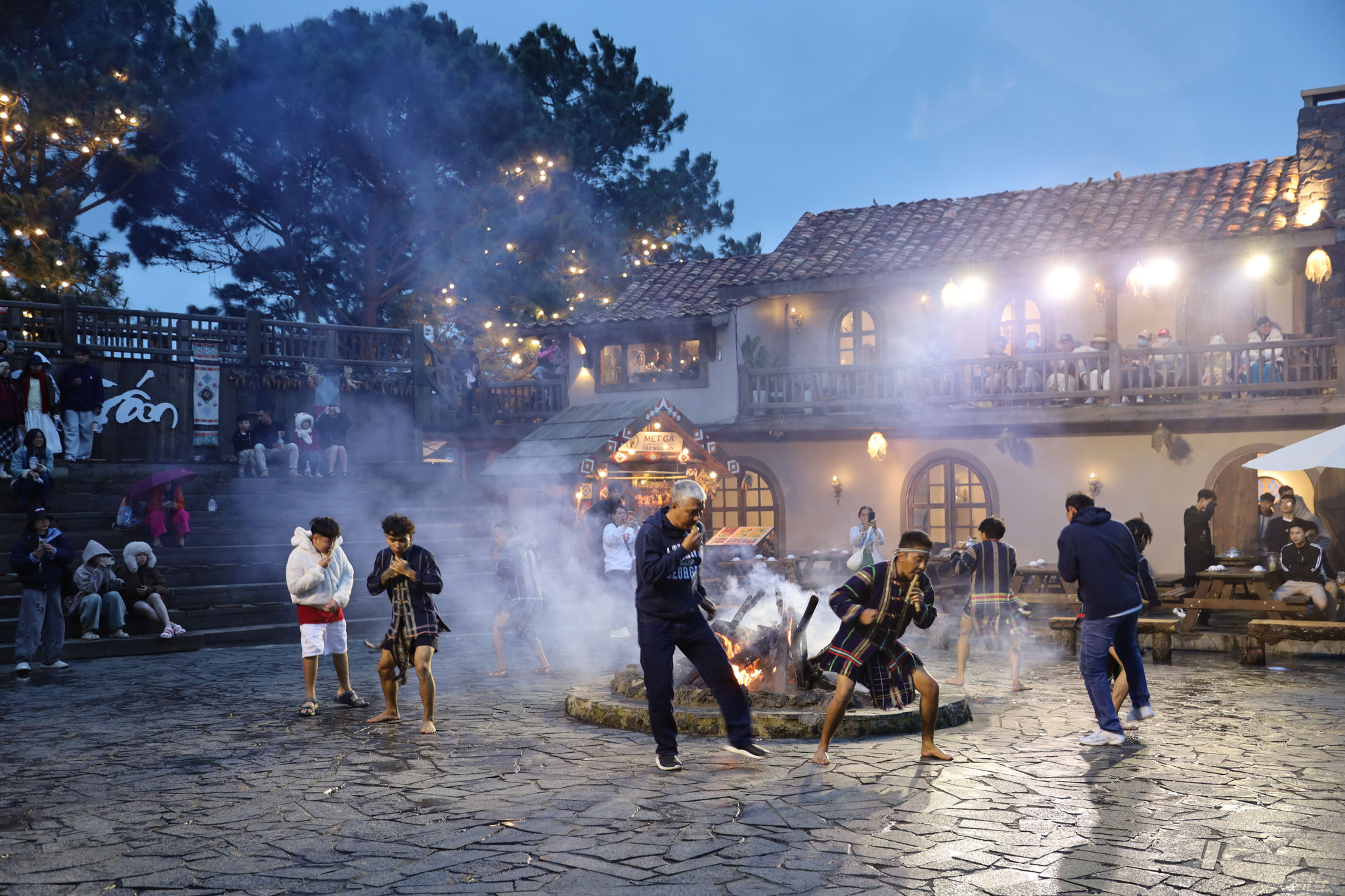
A music performance beside Xuan Huong Lake, an art space, a pedestrian street or a community activity can all be seen as pieces of a larger urban cultural life.
Expanding space for cultural development
One notable feature of the new plan is that the five wards do not share the same identity.
That diversity is precisely what needs to be retained as development moves forward. A large urban area does not necessarily have to turn every neighborhood into an identical space. Instead, each ward can tell its own story while contributing to a shared cultural identity for Da Lat.
Nguyen Van Loc, Member of the Lam Dong Provincial Party Committee and Secretary of the Party Committee of Xuan Huong-Da Lat Ward, said central wards are currently developing rapidly, with economic and social infrastructure gradually becoming more synchronized and modern.
These changes, he said, are creating additional conditions for localities to develop new growth drivers.
Lam Dong’s plan to implement its Strategy for Cultural Diplomacy through 2030, with a vision to 2045, identifies the development of cultural industries and digital culture, as well as the application of science and technology, as key priorities.
It also calls for leveraging major cultural and tourism activities, including the Da Lat Flower Festival, activities associated with Da Lat’s status as a UNESCO Creative City of Music, festivals and cultural-tourism programs to promote the image of Lam Dong.
By 2030, the province aims for all communes, wards and special administrative zones to have cultural institutions and for all localities to operate effective cultural, arts and sports clubs.
The plan also calls for research into the development of the night-time economy and value chains for cultural industry products, including performing arts, photography and exhibitions, architecture, cinema and music.
These directions could provide a stronger foundation for integrating culture into the development of Da Lat’s five wards. With tourist arrivals projected to reach approximately 17.47 million by 2050, demand for distinctive experiences, art spaces, nighttime activities and cultural products is also expected to grow.
Lam Dong’s cultural plan further aims to bring historical and traditional cultural values closer to young people, while expanding cultural, arts, heritage and experiential education in schools.
The province also plans to digitize recognized cultural heritage, creating additional ways for people to access and engage with culture in digital environments.
For Da Lat, this could open up new ways of telling its story. Heritage does not have to exist only in old buildings. Music does not have to be confined to concert halls, and art does not have to appear only at major events.
Culture can be present in streets, parks, residential areas, flower-growing communities, creative spaces and other places woven into everyday life.
Keeping Da Lat recognizable as it grows
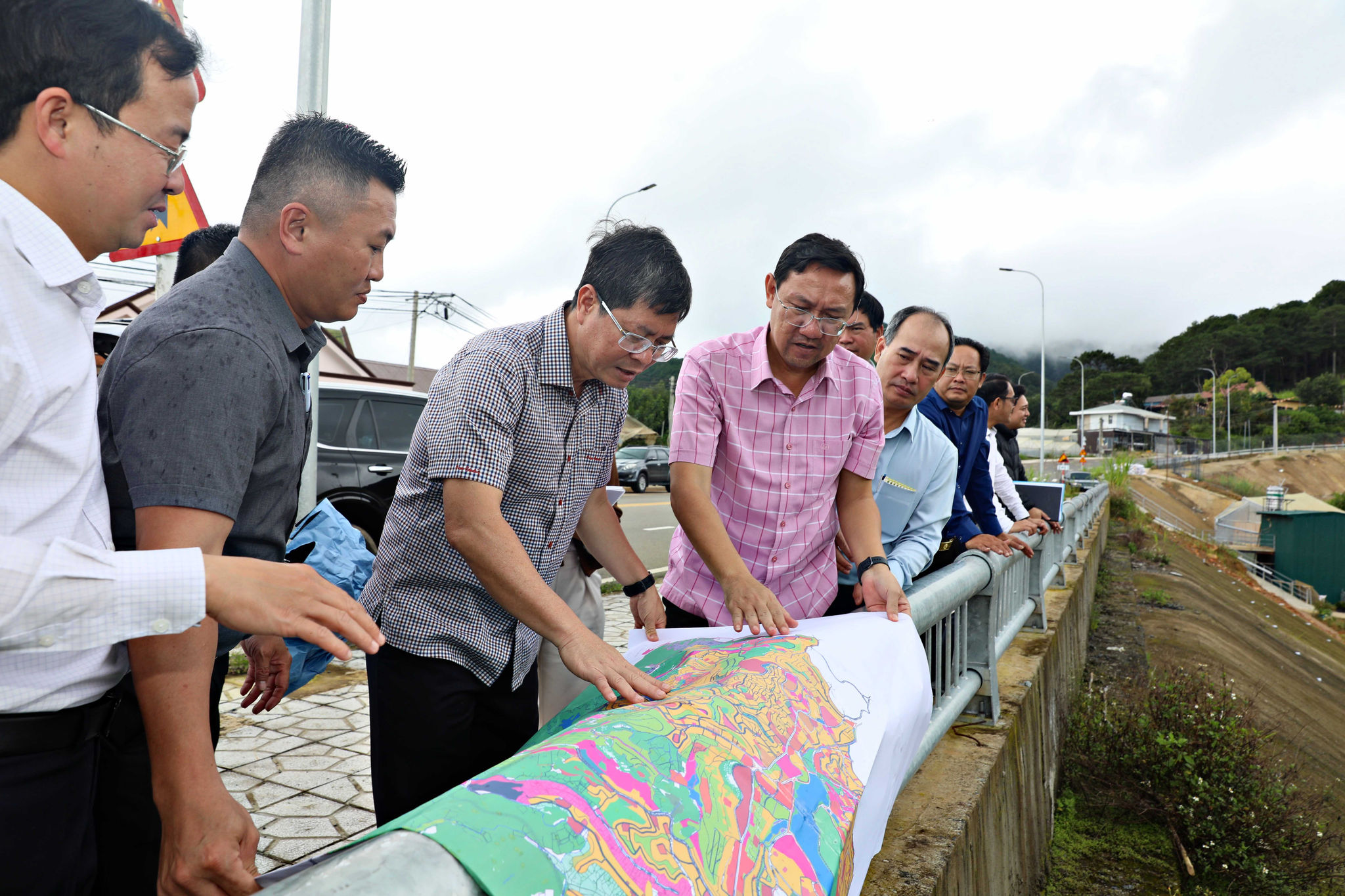
During the review and orientation of urban planning for the five wards, Nguyen Hong Hai, member of the Standing Committee of the Lam Dong Provincial Party Committee and Standing Vice Chairman of the Lam Dong Provincial People's Committee, emphasized the need to balance economic development with landscape conservation and the preservation of Da Lat’s distinctive values.
The approach takes on added significance as the general urban plan for the five wards is developed. Urban development is not simply about expanding the built environment; it must also preserve the elements that give the area its identity.
The five wards will create a broader Da Lat urban space. But for that expanded space to remain recognizably Da Lat, culture must remain at the heart of the development process.
When planning preserves layers of the past while creating new spaces for creativity and community life, culture is not merely conserved. It continues to evolve, engage residents and visitors, and contribute to the appeal of the urban area in the future.
- The five wards are expected to develop distinct roles within the broader urban structure:
- Xuan Huong-Da Lat will serve as a center for urban development, culture, tourism and services.
- Lam Vien-Da Lat will be associated with flower-growing areas, high-tech agriculture and experiential tourism.
- Cam Ly-Da Lat will open up western and southwestern development space, with an emphasis on landscapes and green urban development.
- Lang Biang-Da Lat will capitalize on its strengths in ecology, forests and indigenous culture.
- Xuan Truong-Da Lat will focus on landscapes, agriculture and ecotourism.
Together, the five wards can create a larger urban space while retaining the distinctive layers that have shaped Da Lat. The challenge is not simply to make the urban area bigger, but to ensure that growth continues to reflect the cultural character, landscape and way of life that make Da Lat unique.