


Durian Exports Require Stricter Growing Area Code Oversight
As the 2026 durian harvest season approaches, authorities are intensifying the management of growing area codes and packing facility codes to ensure product traceability, safeguard the reputation of Vietnamese durian and maintain access to key export markets.
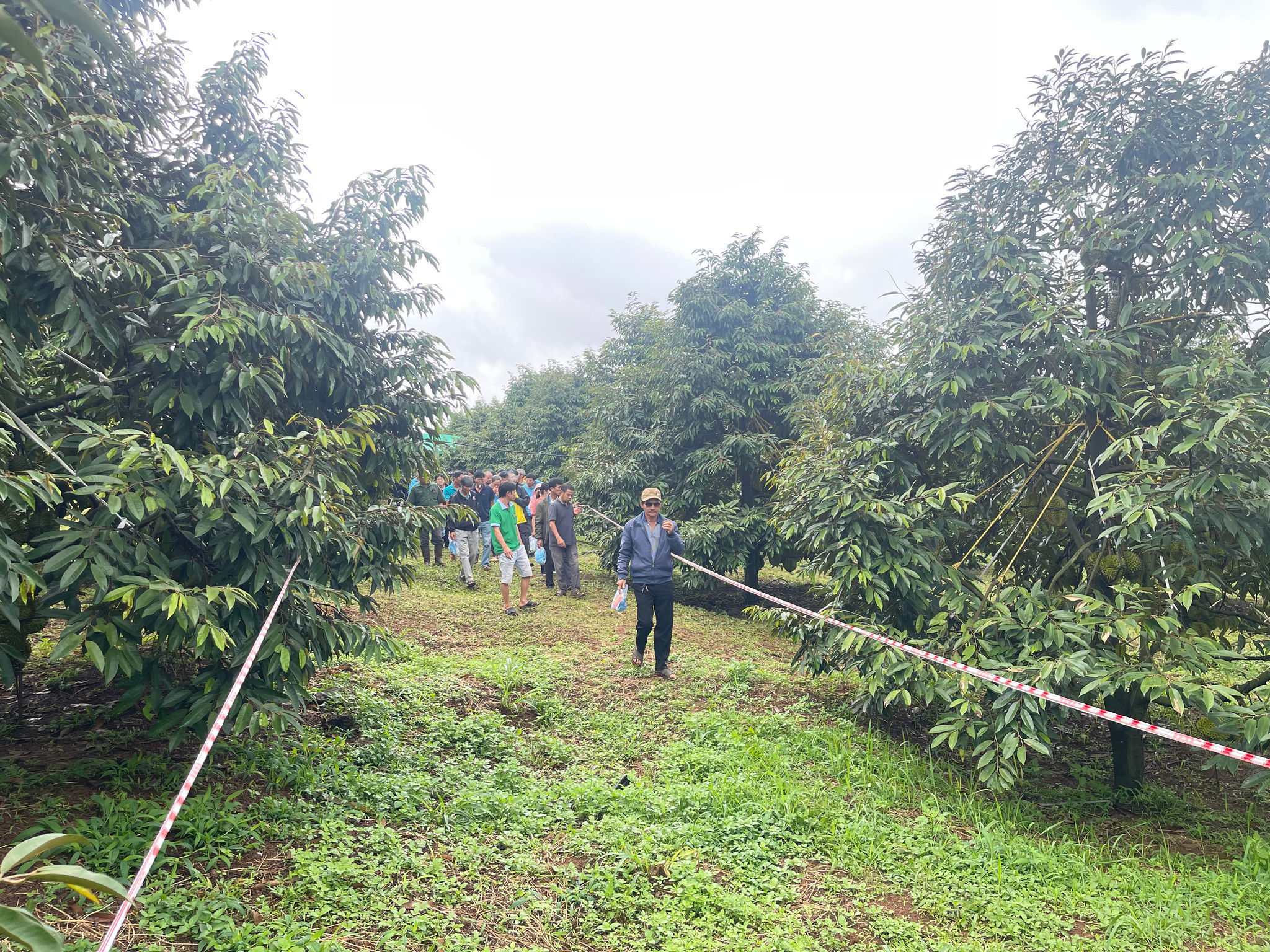
Persistent Gaps in Growing Area Code Management
The 2026 durian harvest season is approaching and is expected to continue generating strong returns for growers while contributing significantly to the province's agricultural export earnings. However, amid the rapid expansion of the industry, the management of growing area codes (GACs) and packing facility codes has become an increasingly urgent issue that could determine the success of the season
The rapid expansion of durian cultivation and the growing number of registered codes have supported export growth. Yet authorities continue to detect violations, including the misuse of growing area codes, the sourcing of durians from outside registered production areas, and the use of fruit with unclear origins to qualify shipments for export.
There are a number of violations, including the misuse of growing area codes, the purchase of durians from outside registered production areas or from untraceable sources to qualify shipments for export. In some cases, traders have even used codes belonging to other businesses without authorization, resulting in export warnings or temporary suspensions for the affected companies.
Recently, traders from neighboring provinces have been purchasing large volumes of off-season durians in Lam Dong, including immature, poorly developed or misshapen fruit, potentially affecting the quality of export shipments.
Nguyen Tan H., a durian procurement worker, said some collection facilities place high-quality off-season fruit in visible areas where inspectors are most likely to take samples, while fruit sourced from various locations may be mixed into the interior of the shipment.
Growers also noted that off-season durians typically require fewer fertilizers and pesticides, making them more likely to meet food safety standards. Taking advantage of this, some traders allegedly use such fruit to pass quality inspections, complicating efforts to accurately assess entire export consignments.
Notably, some cases involve the brokerage, sale, lease or lending of growing area codes. In some instances, organizations or individuals granted these codes do not directly manage production or packing operations, instead allowing other parties to use them, creating challenges for oversight and traceability.
The situation highlights mounting pressure on agricultural export management as importing markets continue to tighten requirements for traceability and food safety.
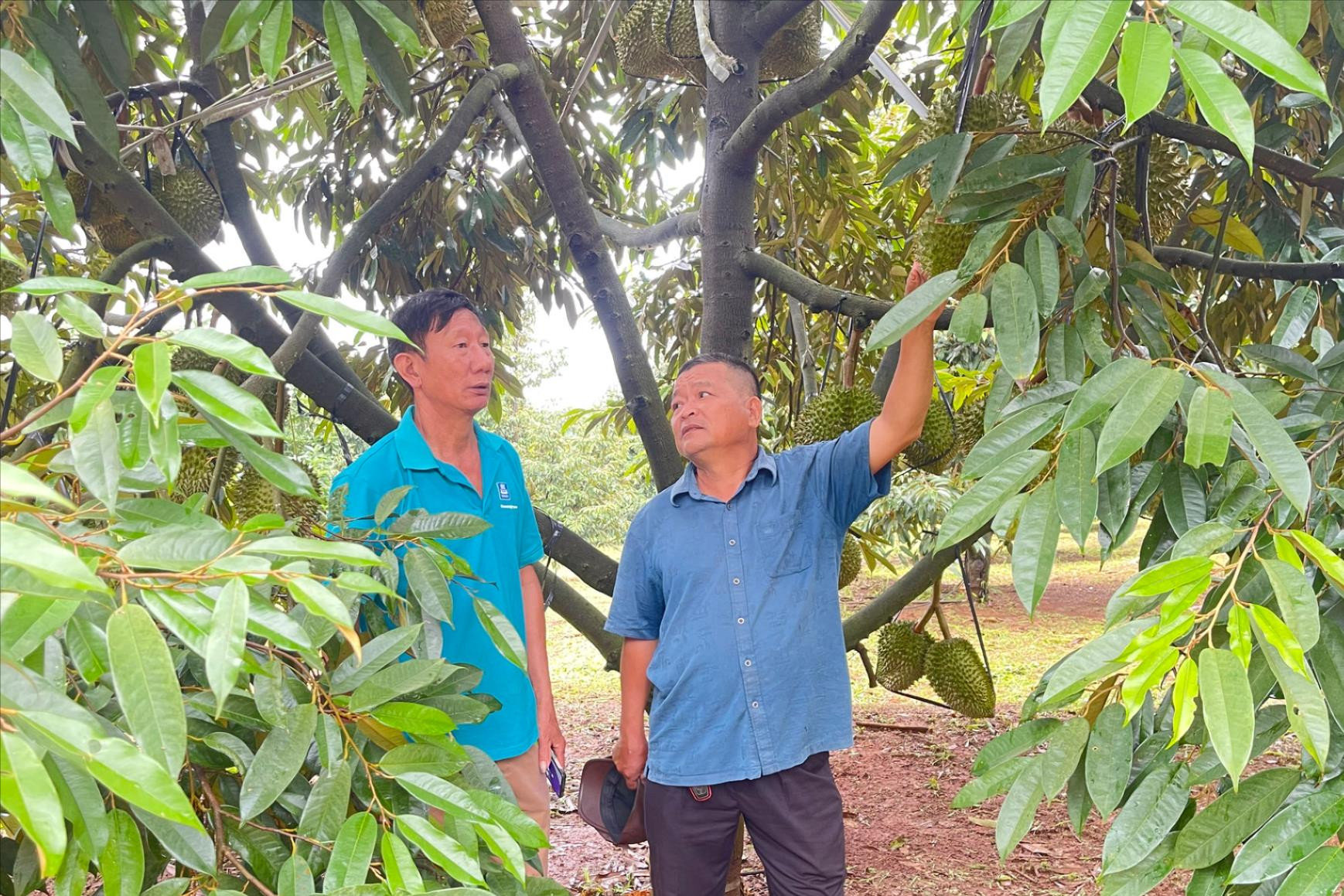
Protecting Access to Export Markets
With the harvest season running from June to October, trading activity is expected to intensify as businesses, traders and brokers converge on Lam Dong to secure supplies.
According to Col. Pham Thanh Hung, Deputy Director of the provincial police department, the harvest season presents opportunities to expand market access but also creates conditions for speculation, price manipulation, bidding disputes and fraud involving deposits or procurement contracts. If left unchecked, such practices could harm growers, disrupt the business environment and damage the reputation of the durian industry.
More than 85% of the province's durian exports currently depend on the Chinese market. As a result, violations involving growing area codes, packing facility codes or product quality could lead to warnings, suspensions or code revocations, directly affecting exports and the incomes of growers and businesses.
During 2024 and 2025, authorities detected 17 durian samples contaminated with mealybugs and 6 samples with cadmium levels exceeding or approaching permitted limits. As of April 2026, a total of 131 growing area codes and 129 packing facility codes for various agricultural products had been suspended or revoked by importing countries due to violations of plant quarantine and food safety regulations.
At the same time, management challenges remain. Production records in some growing areas are still inadequately maintained, traceability data is incomplete, and post-certification inspections are constrained by limited resources despite the growing number of registered codes.
Authorities also noted that only two facilities in the province are currently qualified to test for cadmium and Auramine O, raising concerns about potential bottlenecks during the peak harvest period.
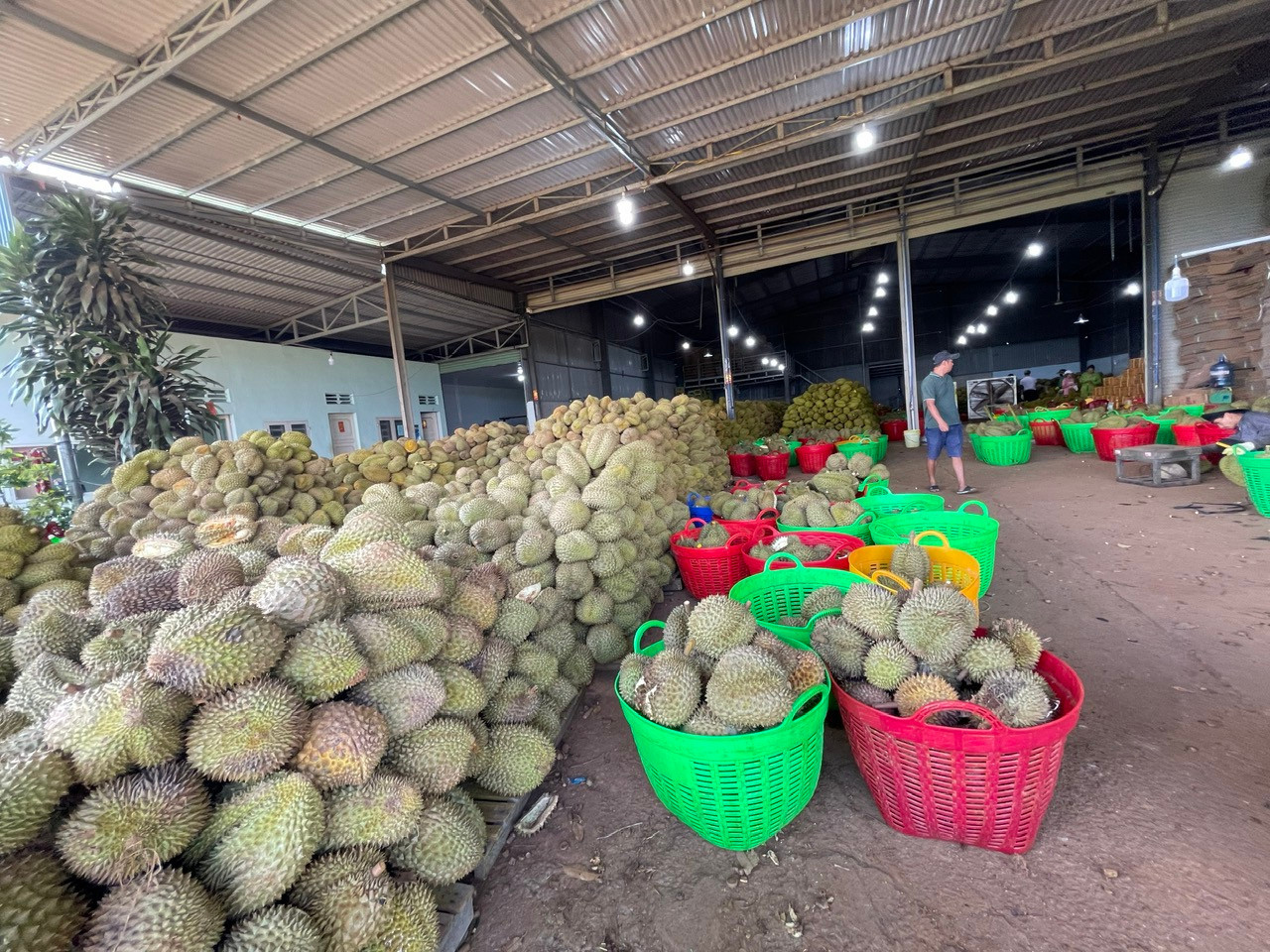
Tightening Oversight Ahead of Harvest Season
In response to these risks, the provincial People's Committee has instructed relevant agencies and local authorities to strengthen oversight of durian production, harvesting, processing, packing and export activities during the 2026 season.
The focus will be on reviewing and updating data on growing area codes and packing facility codes, while stepping up inspections to ensure compliance with regulatory requirements.
Authorities will also tighten controls over traceability, plant quarantine and food safety standards for export-bound durians.
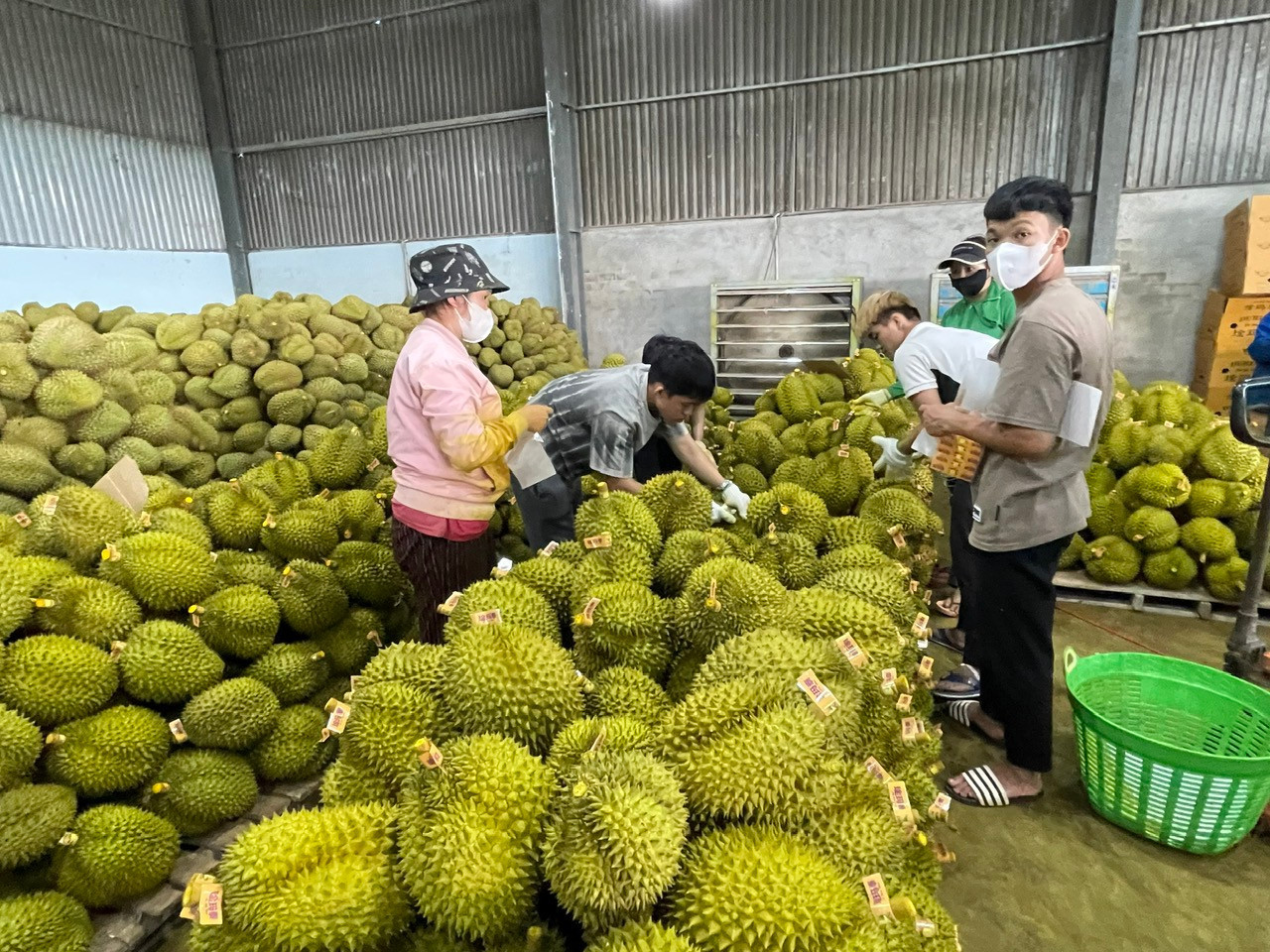
Authorities have also been instructed to strengthen inspections of purchasing, transportation, trading, processing and packing activities, while promptly detecting and handling cases of commercial fraud, origin fraud, price manipulation, speculation and other violations.
At the same time, efforts are being stepped up to raise awareness among growers, cooperatives and businesses and to provide guidance on compliance with regulations governing production, traceability and agricultural exports. The aim is to improve compliance and reduce the risk of violations.
As export markets impose increasingly stringent requirements, the effective management of growing area codes and packing facility codes has become more than a technical requirement. It is a prerequisite for protecting the reputation of Lam Dong's durian, maintaining access to export markets and ensuring the sustainable development of this key agricultural sector.
Industry estimates show that Lam Dong will have around 45,550 hectares of durian in 2026, producing more than 310,000 tonnes. To support exports, especially to China, the province has secured 346 growing area codes covering nearly 13,300 hectares, or 29.2% of its durian acreage, along with 70 export-certified packing facilities.