


Green Livelihoods in the Dak Nong UNESCO Global Geopark
With its rich natural and cultural assets, the Dak Nong UNESCO Global Geopark offers opportunities for economic development and livelihood creation. However, sustainable development requires balancing the use of heritage values with conservation, with local communities playing a central role.
Unlocking Potential and Creating Green Livelihoods
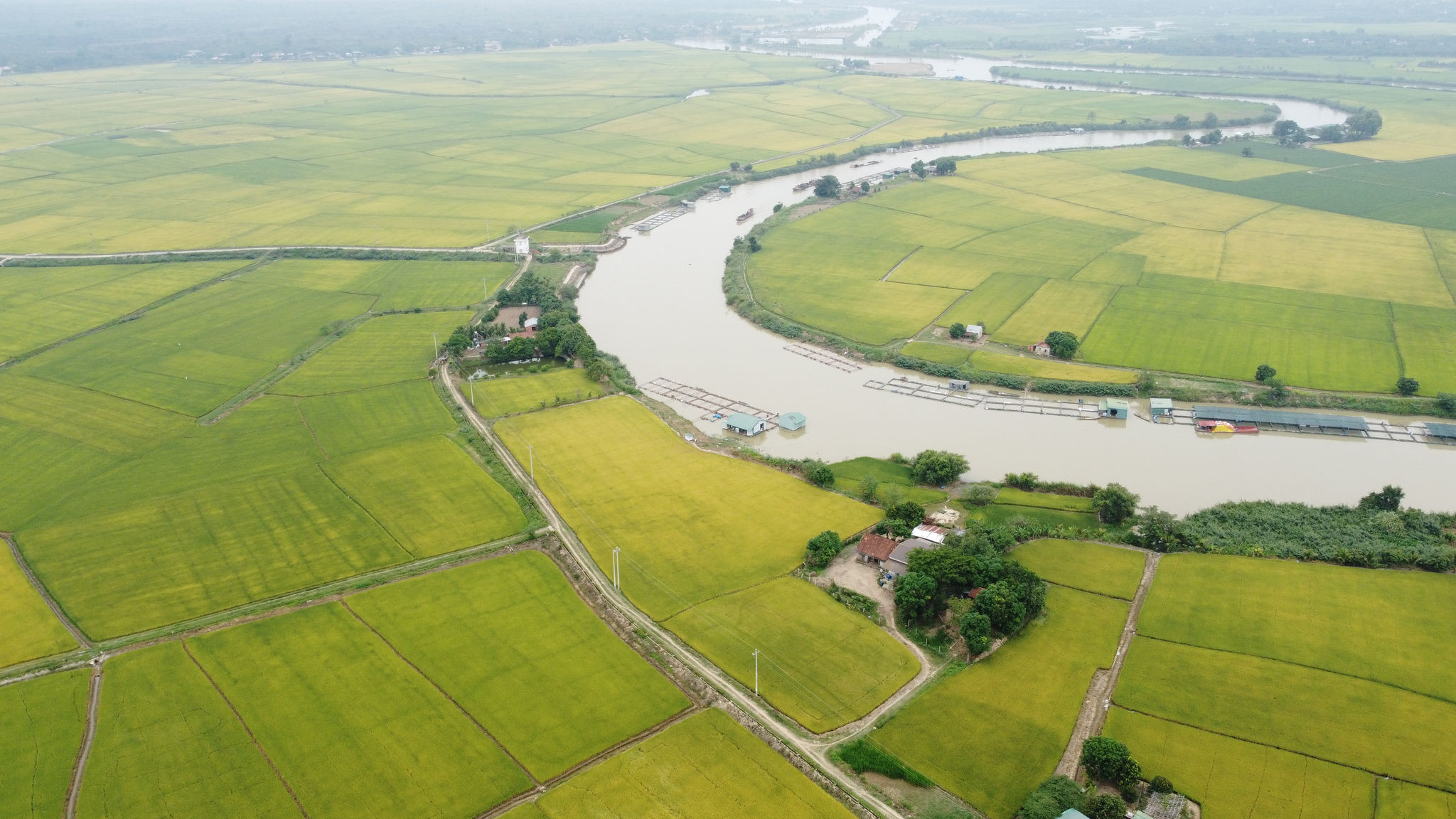
The appeal of the Dak Nong UNESCO Global Geopark extends beyond its caves to the living spaces, fields and gardens of local communities.
The combination of geology, nature and culture is opening up new avenues for economic development and creating distinctive experiences rooted in the heritage of the region.
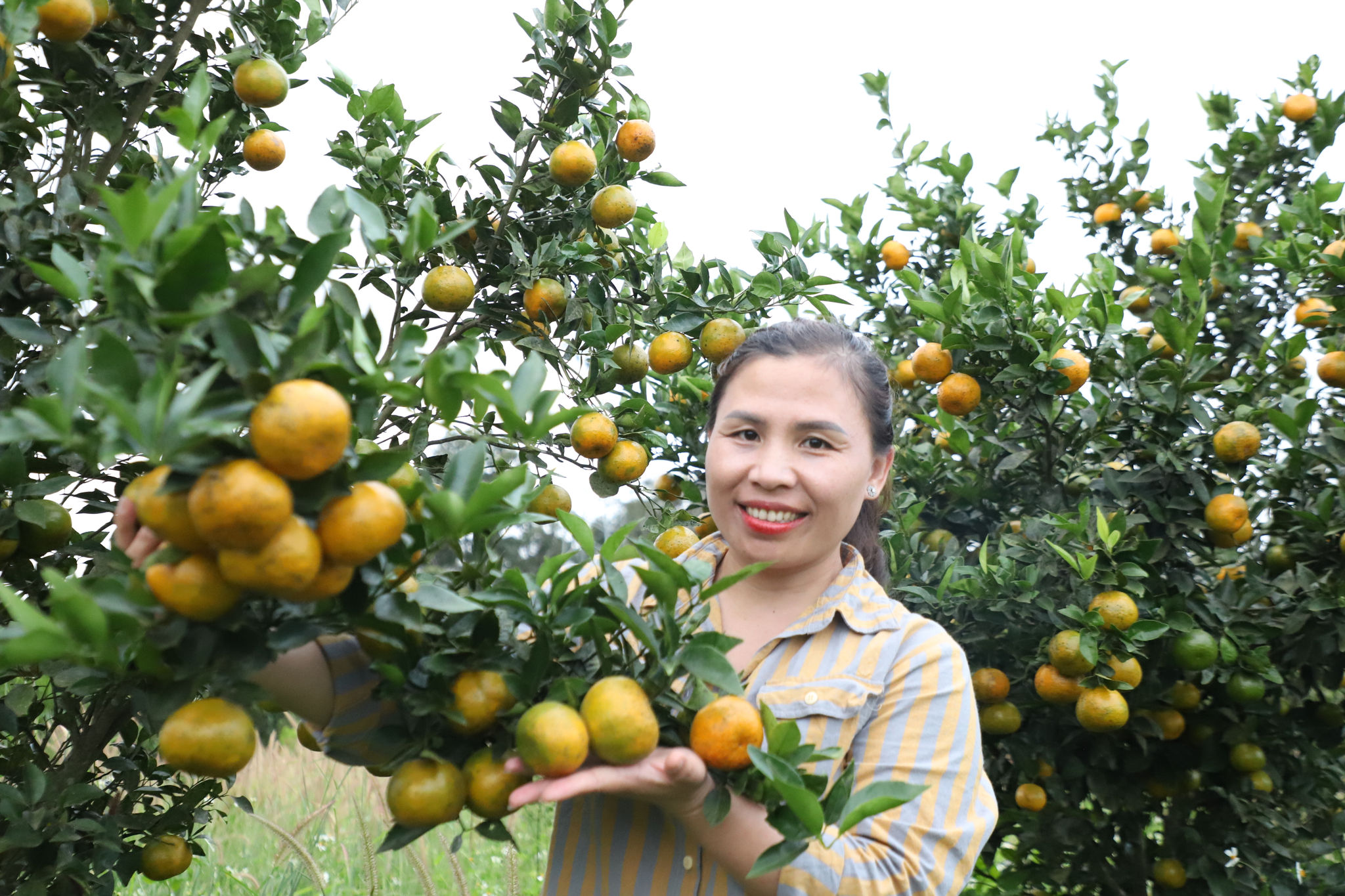
At the foot of Nam Kar Volcano in Quang Phu Commune, amid dry, sun-baked laterite rock, the thriving orange and tangerine orchards of the Quang Phu Organic Agroforestry Cooperative demonstrate the potential for agricultural development on volcanic land.
Once limited to a single rainy-season crop of corn or beans, local residents have transformed the land into fruit orchards, opening up new livelihood opportunities for the community.
Nguyen Thi Mai, director of the cooperative, said lava from Nam Kar Volcano had left a thick layer of densely packed laterite beneath the soil. Growing oranges and tangerines in this terrain was considerably more challenging than in other areas. However, the distinctive nutrients and minerals in the volcanic soil gave the fruit its rich aroma and flavor.
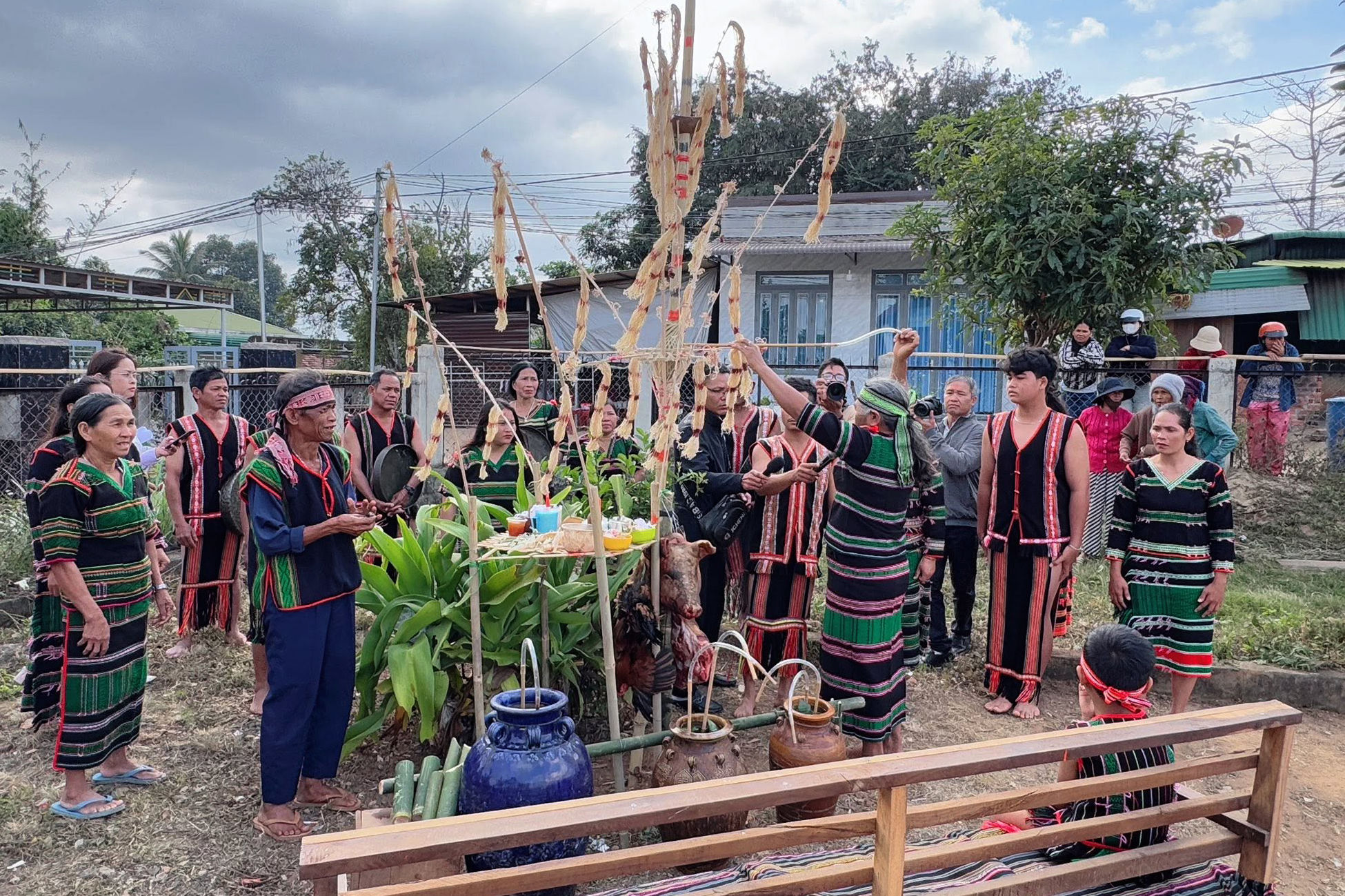
While residents of Quang Phu Commune are capitalizing on natural advantages, Nam Nung Commune, one of the localities in the core zone of the Dak Nong Global Geopark, is turning its potential into suitable tourism products that both preserve cultural identity and create additional jobs.
Beyond its rich cultural and historical heritage, one of Nam Nung’s greatest strengths is its cultural diversity. The many ethnic groups living in the area have created a rich cultural tapestry reflected in their customs, cuisine, traditional clothing, music and festivals.
In 2018, the former Dak Nong Provincial People’s Committee selected nine hamlets and traditional settlements, known locally as buon and bon, to pilot community-based tourism models. Building on this initiative, the Jôk Nâm Nung Community Tourism Group was established in August 2022. It has maintained activities such as gong performances, brocade weaving and traditional cuisine to serve visitors.
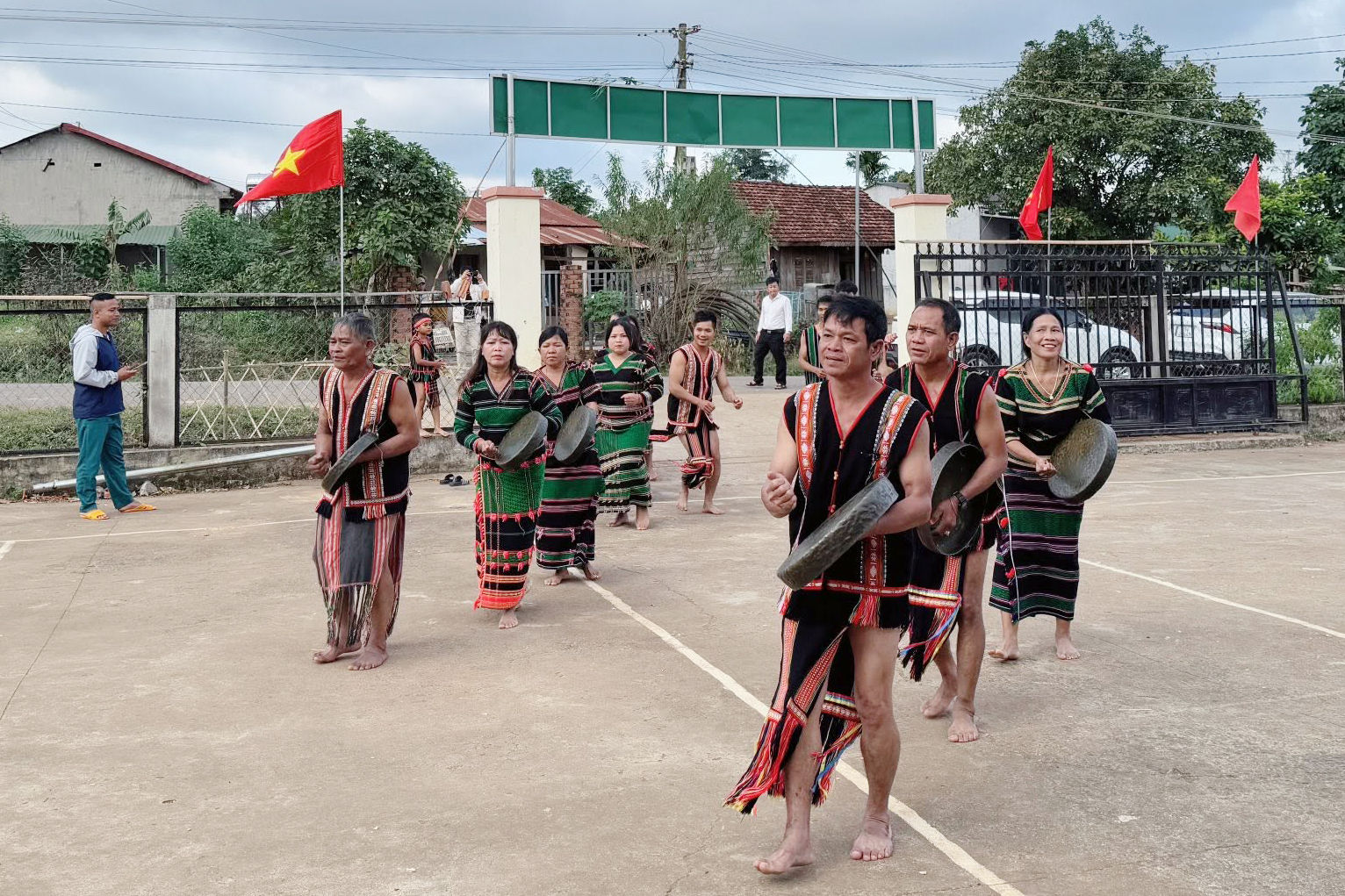
According to H’Thuong, Deputy Head of the Culture and Social Affairs Committee of the Nam Nung Commune People’s Council and head of the Jok Nam Nung Community Tourism Group, community-based tourism offers a “double benefit.” It creates livelihoods while helping preserve and promote the cultural heritage of ethnic communities.
“The community tourism group serves as a stop along the ‘Epic of Water and Fire’ tourism route within the Dak Nong Global Geopark. Through hands-on experiences, visitors can engage with local culture in an intimate and meaningful way. This also motivates residents to preserve and promote their traditional values,” H’Thuong said.
Linking Heritage Conservation with Economic Development
Developing livelihoods based on the assets of the Dak Nong Global Geopark is creating opportunities to improve living standards for communities in the heritage area. However, for these models to remain viable in the long term, the use of local resources must be linked to heritage conservation, environmental protection and stronger community participation.
H’Thuong said that although the community tourism group was established in 2022, it had yet to receive formal recognition. It remains an informal group of households brought together by shared interests and enthusiasm. This has become a major obstacle to achieving the expected results, particularly in mobilizing resources.
“When the group was first established, it had 42 participating households. However, for several reasons beyond our control, the local authorities have still not issued a decision formally recognizing it,” H’Thuong said.
We hope these obstacles can be resolved soon so that local residents have better opportunities to develop community-based tourism.
H’Thuong, Head of the Jok Nam Nung Community Tourism Group
Across the Dak Nong Global Geopark, local communities are gradually making use of their advantages to develop their economies. However, most initiatives remain small in scale, with limited investment, inadequate marketing and product promotion skills, and weak market connections.
For households seeking to participate in community-based tourism, major challenges include welcoming and serving visitors and developing engaging tourism experiences. Meanwhile, agricultural products and traditional handicrafts often lack established brands and reliable markets, limiting their economic value.
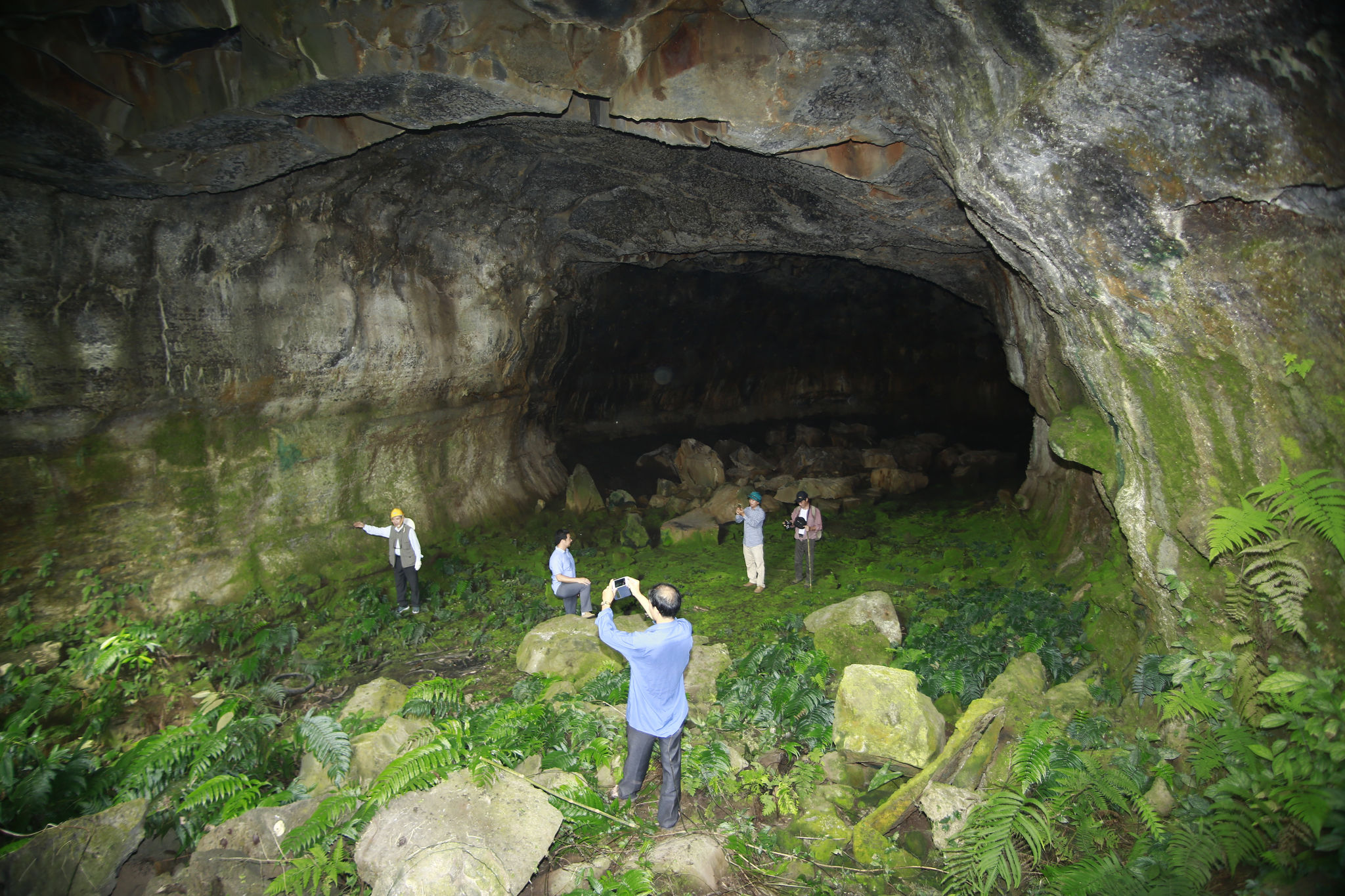
Importantly, using heritage assets for economic development also requires protecting geological landscapes, forest ecosystems and water resources. Without appropriate planning, management and direction, tourism and production activities could harm the natural environment and erode the very values on which green livelihoods depend.
These challenges underscore the need for solutions that link green livelihood development with heritage conservation and the promotion of local assets. Priorities include addressing institutional and policy barriers, improving access to capital, strengthening tourism skills and developing distinctive local products.
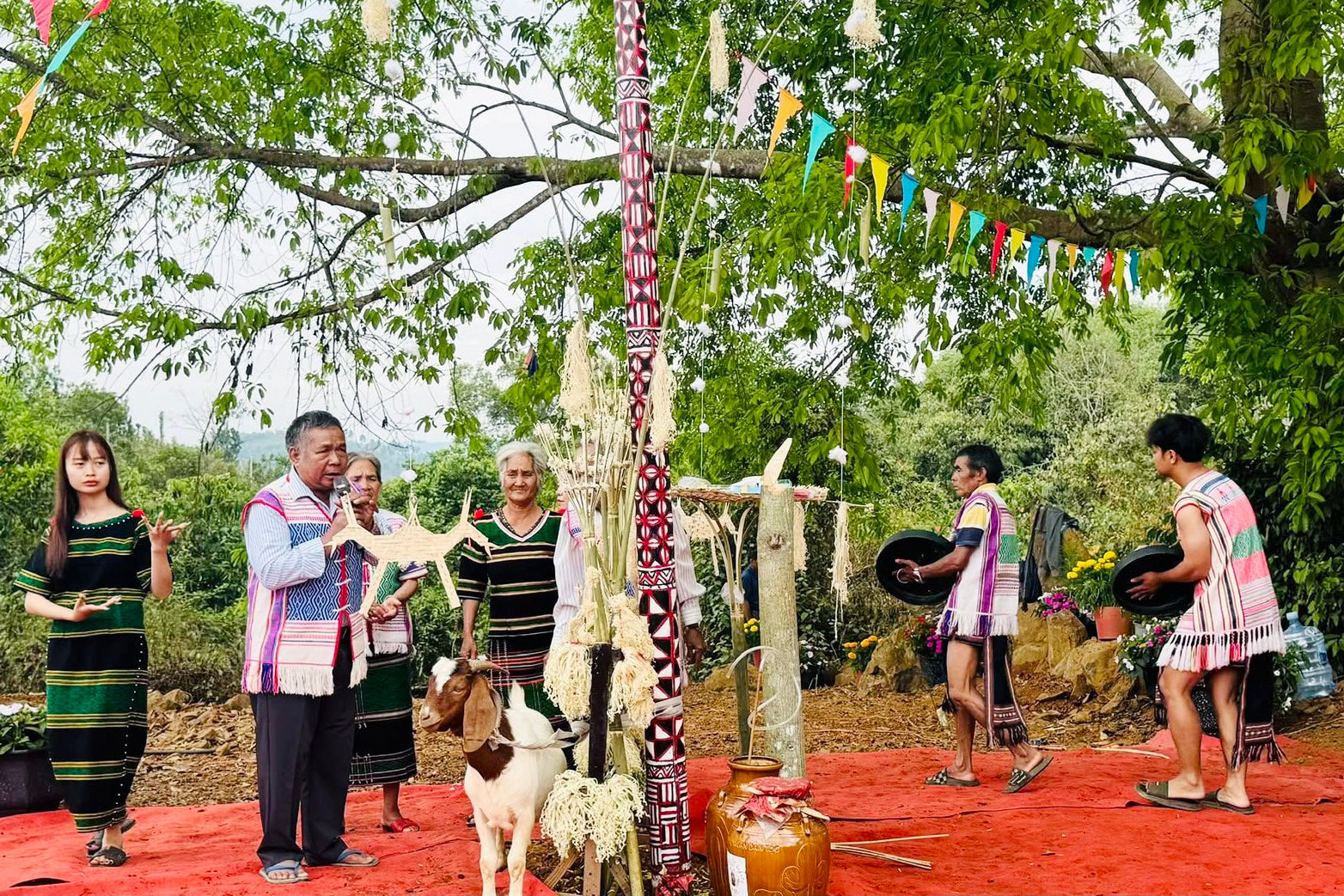
The value of a geopark lies not only in individual heritage sites but also in the connections among geology, natural landscapes, culture, history and community life. The assets and advantages of the Dak Nong Global Geopark need to be used creatively and effectively to become a resource for socioeconomic development.
Associate Professor Tran Tan Van, Chairman of the Vietnam UNESCO Global Geoparks Network
From this perspective, developing green livelihoods means more than simply exploiting what nature provides. It requires creating economic value while safeguarding natural resources. Local residents must be recognized both as active participants in production and business and as key stakeholders directly responsible for protecting landscapes, the environment and their communities’ cultural heritage.