Keeping the Highland Gong Tradition Alive in Buor Village
Ho Mai•19/10/2026 11:36
Amid modern life, gong music continues to resonate within the Ede community in Buor Village, Cu Jut Commune, Lam Dong Province.
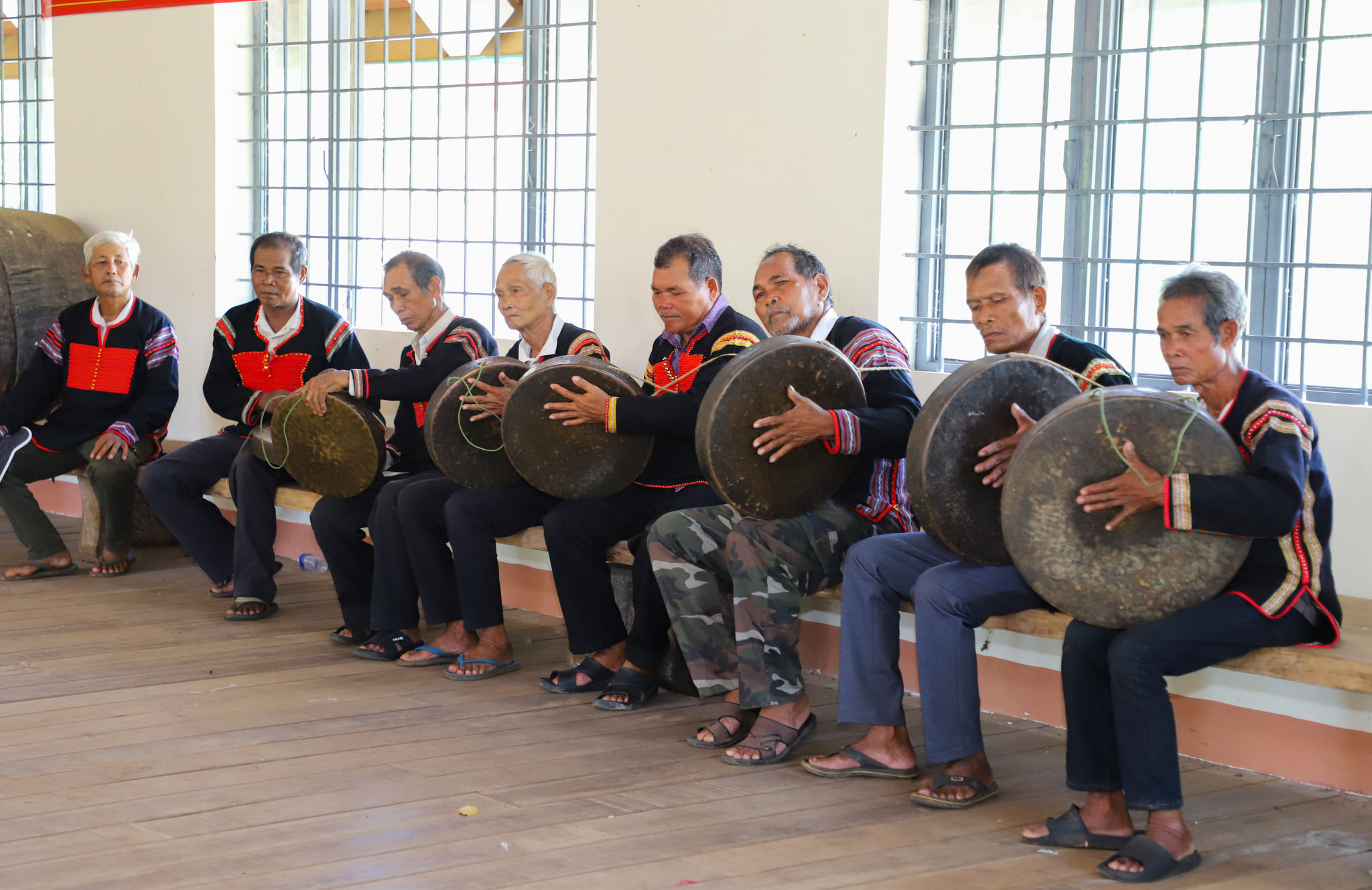
The Buor Village gong ensemble in Cu Jut Commune takes part in cultural exchanges and performances, helping promote the traditional cultural values of the Ede people. (Archive photo)
Behind this enduring tradition are artisans who have devoted years to preserving ancient gong pieces, teaching performance techniques and passing cultural knowledge on to younger generations.
Echoes of Memory, Pride and Ethnic Identity
Buor Village lies alongside the Srepok River, where traditional longhouses, customary practices and communal activities contribute to the distinctive cultural identity of the Ede people.
Within this cultural landscape, gongs hold a special place. Their resonant sounds accompany important community ceremonies, including the New Rice Celebration, the Water Wharf Worship Ceremony, weddings, housewarming ceremonies and many other significant rituals.
For the Ede, gongs are more than musical instruments for performances. Behind their deep and vibrant tones lies an entire system of knowledge, beliefs and social practices passed down through generations.
When gongs sound during festivals, they also bring villagers together to meet, share happiness and reaffirm the common values that have shaped their community's identity.
The Buor Village gong ensemble continues its activities, bringing together people who share a passion for traditional culture.
Ede gong performance has distinctive characteristics in its timbre, rhythm and playing techniques. Each gong carries a different rhythmic part, working in coordination with the others to create a complete musical ensemble. As the rhythms overlap and flow seamlessly, the music becomes lively and intense—sometimes powerful and stirring, at other times resonating across the vast highland landscape.
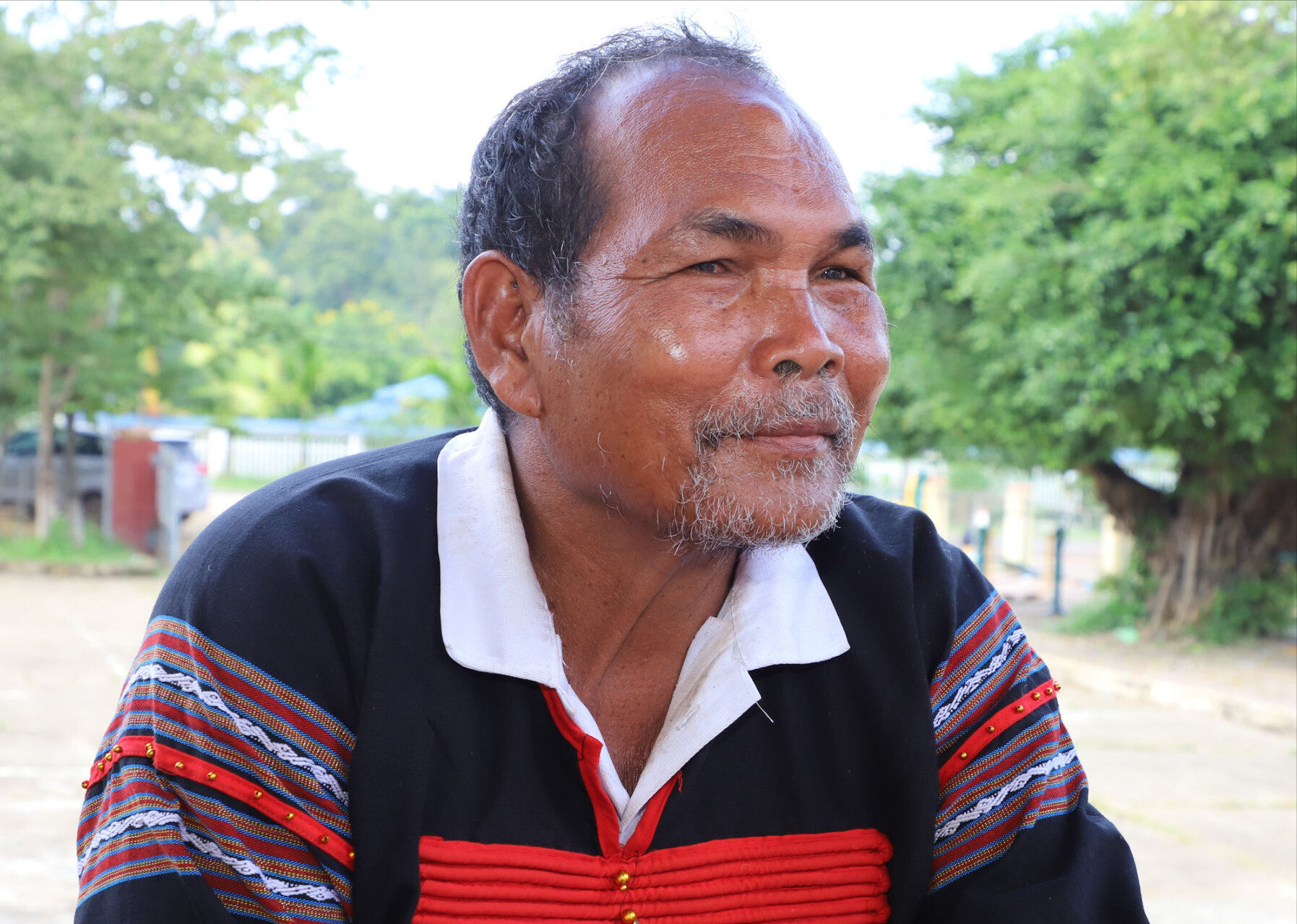
Distinguished Artisan Y Sim Eban of Buor Village, Cu Jut Commune, is one of those who have a profound understanding of the Ede people's gong performance traditions.
“
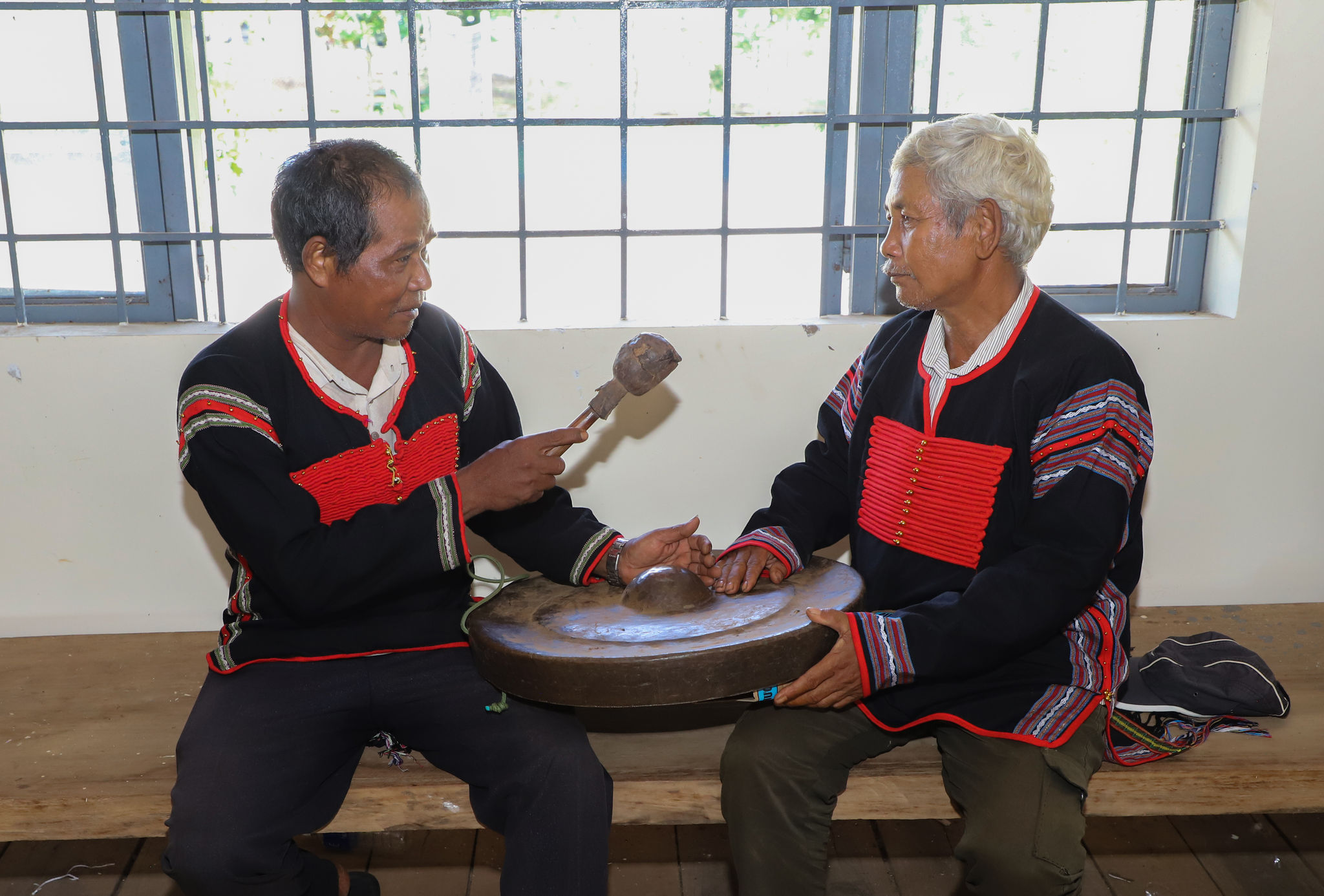
The Ede have a distinctive inverted-gong technique. Players cup their hands when striking the gongs, allowing the sound to resonate quickly and creating a characteristic feature of Ede gong performance.
Distinguished Artisan Y Sim Eban, Buor Village, Cu Jut Commune
He explained that producing a good gong performance requires players to master the rhythms, listen carefully and coordinate with other members of the ensemble. Each person is responsible for a particular sound and must avoid playing over another's rhythm, as even one mistake can affect the harmony of the entire ensemble.
Beyond rhythmic coordination, Ede gong performance also demonstrates precision in the use of beaters and the selection of striking points on the gong's surface. Bossed gongs are usually struck with wooden beaters wrapped in soft fabric, while flat gongs are played with unwrapped wooden beaters. Depending on the type of gong and the playing technique, artisans produce distinct tonal qualities.
Distinguished Artisan Y Sim Eban has spent years devoted to gong music, helping preserve Ede cultural heritage.
Mastering these techniques requires years of learning and practice. Gong pieces cannot be learned simply by memorizing rhythms; players must also develop an ear for sound, the ability to listen attentively and experience accumulated through practice. For this reason, artisans with deep knowledge of gong music hold a valuable part of their community's cultural heritage.
For Distinguished Artisan Y Sim Eban, his love of gong music began in childhood, when he listened to the sounds of gongs played by his grandparents and parents. As he grew older, he continued learning and attended training courses in gong tuning to deepen his knowledge and improve his skills.
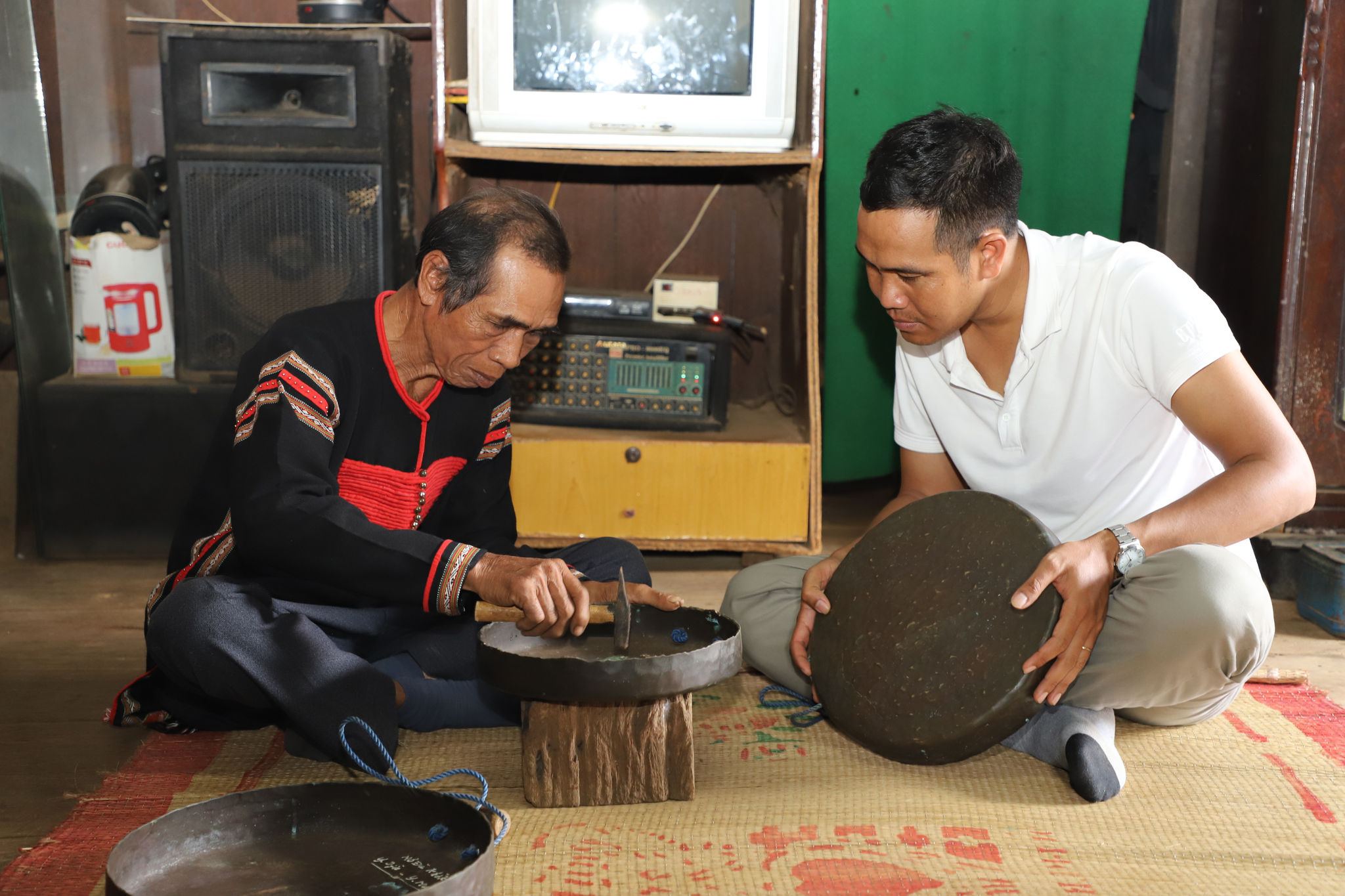
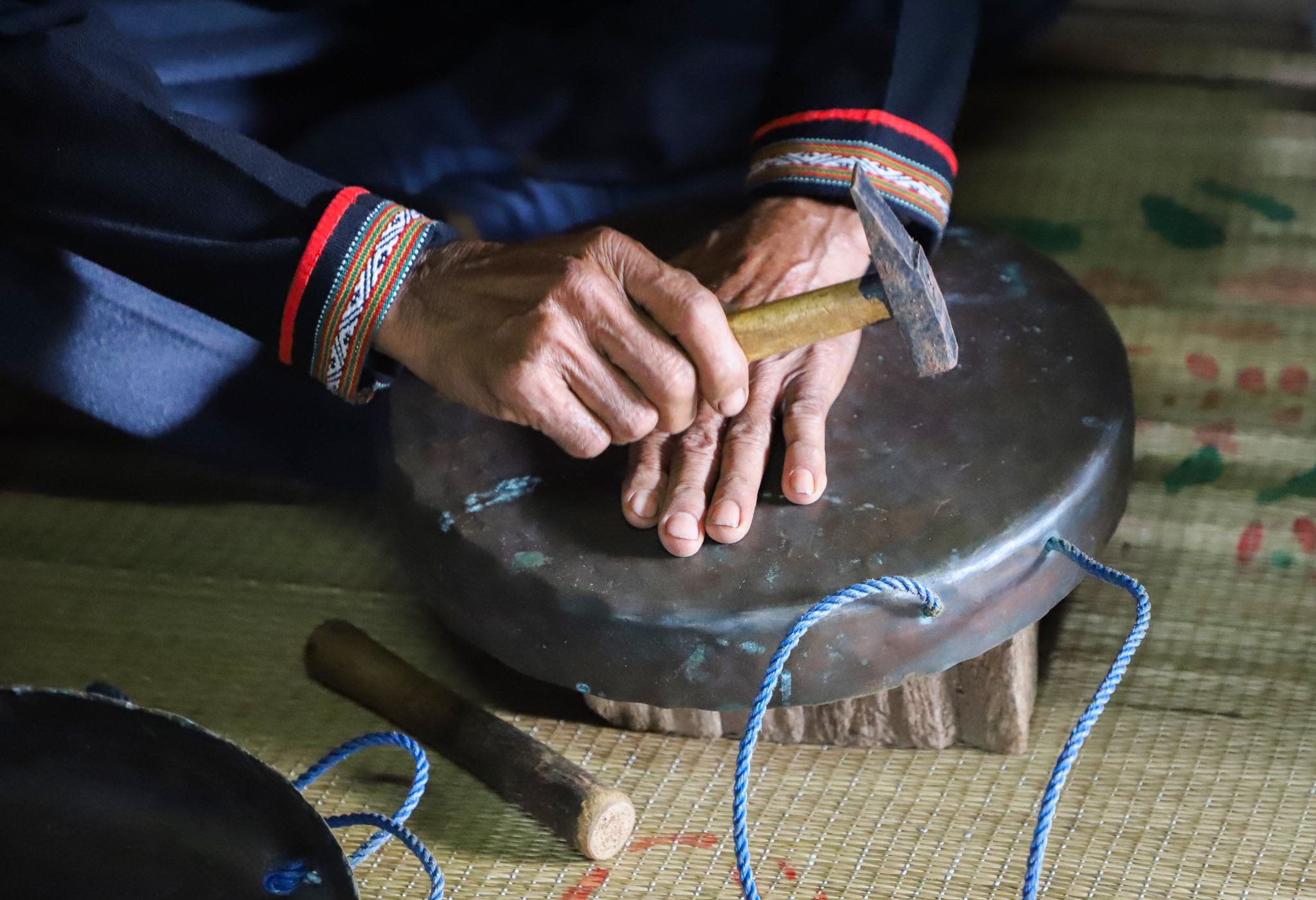
Tuning gongs requires a discerning ear, experience and an understanding of the tonal qualities of each instrument.
He explained that when a gong falls out of tune, its sound loses the expected clarity and tonal accuracy. Those with the necessary expertise must know how to inspect and adjust it to restore its proper sound. Before making adjustments, an artisan tests each gong, listening carefully to identify differences in tone. The work requires a discerning ear, experience and patience, and not everyone can master it.
Thanks to his knowledge, Y Sim is often called upon by villagers whenever they prepare for a festival or need their gongs repaired and tuned. His work therefore extends beyond performance: he also helps maintain gong sets and ensures these instruments remain in use in the village's cultural activities.
Passing the Heritage on to Future Generations
To ensure that gong music continues to resonate beyond festival occasions and remains part of everyday community life, Buor Village maintains a gong ensemble bringing together people who share a passion for traditional culture.
Established in 2000, the ensemble has become a gathering place where members learn from one another, practice together and perform at local cultural events.
Distinguished Artisan Y Ghong Eban said that over the years, the ensemble has not only helped members improve their performance skills but also created opportunities for traditional gong pieces to be practiced regularly.
“
With the attention of the Party, the State and authorities at all levels, we will continue to preserve Ede customs so that future generations will know about and take pride in their ethnic culture.
Distinguished Artisan Y Ghong Eban, Buor Village, Cu Jut Commune
For him and others committed to the gong ensemble, keeping it active is a practical way to preserve their people's customs and traditions.
Through regular practice sessions, members can refine their skills, memorize traditional gong pieces and learn to coordinate with one another. During performances, each player must not only maintain their own rhythm but also listen to others and adjust their playing to achieve harmony. This process of active practice helps sustain the knowledge and techniques of gong performance rather than leaving them solely in the memories of older generations.
For artisans, passing on gong traditions involves more than teaching young people how to hold a beater or strike the correct rhythm. More importantly, it means helping younger generations understand the significance of gongs in Ede life, appreciate the values inherited from their ancestors and recognize their responsibility to carry the tradition forward.
Practice sessions help ensemble members refine their skills, maintain traditional gong pieces and strengthen community bonds
However, for this heritage to be sustained, the dedication of artisans must be accompanied by support from the community and local authorities.
Creating opportunities for artisans to teach, maintaining gong ensembles, organizing cultural activities in accordance with local customs and expanding young people's access to the heritage are all important. Without an environment in which the tradition can be practiced, gong music may continue to be recognized as a cultural symbol but struggle to retain its place in community life.
Ha Huu Tai, Head of the Culture and Social Affairs Division of Cu Jut Commune, said the locality currently has four Distinguished Artisans: Y Sim Eban, Y Ghong Eban, Y Rit Eban and H'Da Eya. They have made significant contributions to practicing, teaching and preserving traditional cultural values.
“
The presence of these artisans is an important resource for the locality as it continues to implement conservation activities and foster cultural pride within the community.
Ha Huu Tai, Head of the Culture and Social Affairs Division of Cu Jut Commune
Gong conservation also needs to go hand in hand with bringing the heritage into contemporary life. Cultural exchanges, performances and hands-on experiences can create more opportunities for residents, especially younger people, to better understand their own ethnic musical traditions.
When organized appropriately and with the active participation of the community, these activities can help spread the value of the heritage while creating opportunities to connect traditional culture with community-based tourism. The central principle remains that gong music must continue to be played because of the people's own needs and pride in their heritage.
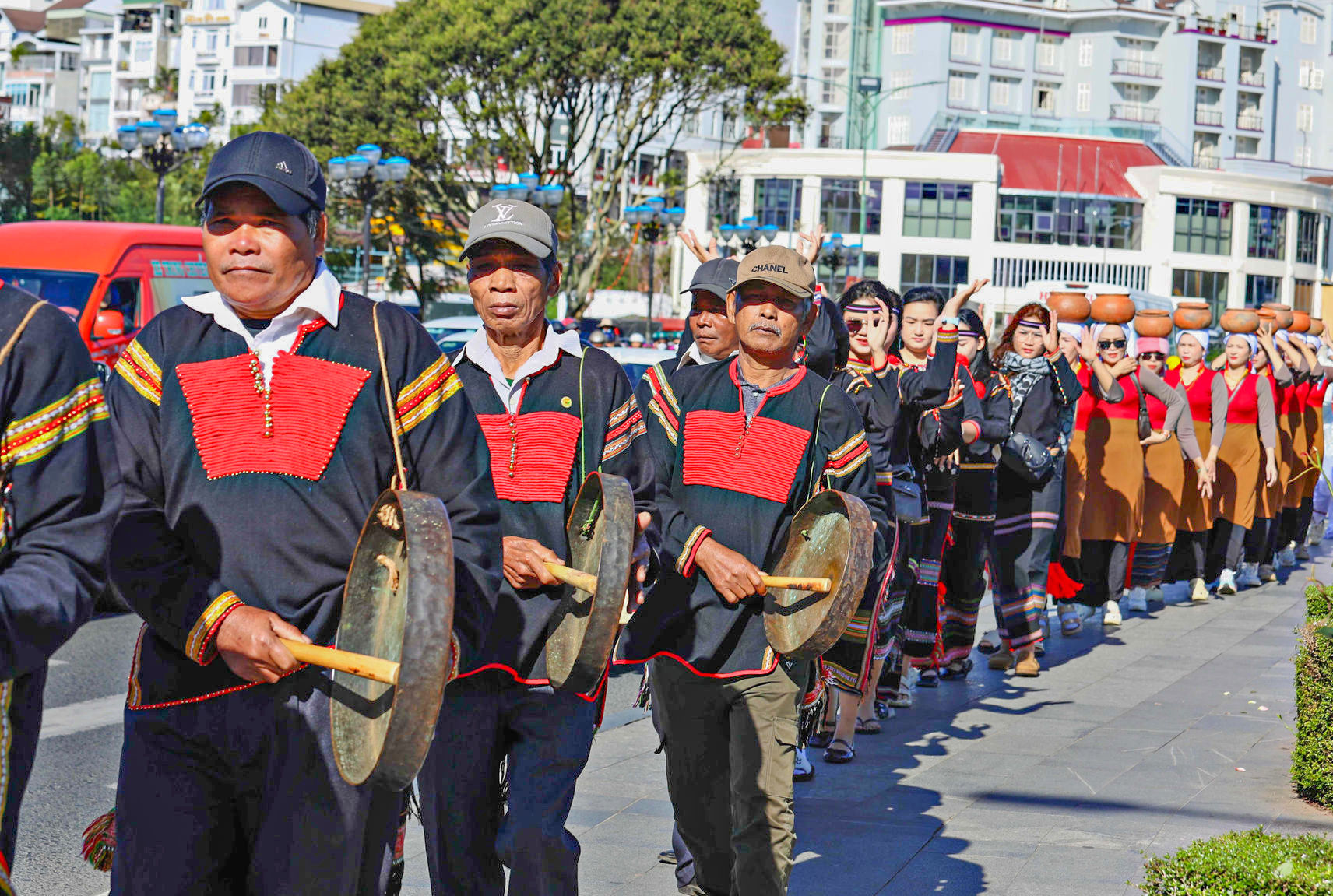
Gong music resounds during festival celebrations, contributing to the traditional cultural identity of the Ede people in Buor Village, Cu Jut Commune.
Along the Srepok River, the gong rhythms of Buor Village continue to resonate, carrying the story of a community that cherishes its roots.
Amid the changes of modern life, preserving gong traditions can begin with simple acts: an artisan patiently retuning a gong, an ensemble practicing persistently, or a young person learning an ancestral gong piece.
Through these efforts, the cultural tradition is passed down from one generation to the next, ensuring that the sounds of the highlands do not remain only echoes of the past but continue to resonate in the present and future of Buor Village.