


Lam Dong Accelerates Health Screening and Healthcare Investment
Lam Dong is accelerating health screening for residents across the province while strengthening disease prevention, medical treatment and healthcare investment.
On the afternoon of September 16, Dinh Van Tuan, Member of the Lam Dong Provincial Party Committee and Vice Chairman of the Lam Dong Provincial People's Committee, chaired a meeting with the Lam Dong Department of Health to review healthcare activities during the first nine months of 2026.
The meeting also focused on public investment disbursement, periodic health check-ups and free screening programs for residents across the province.
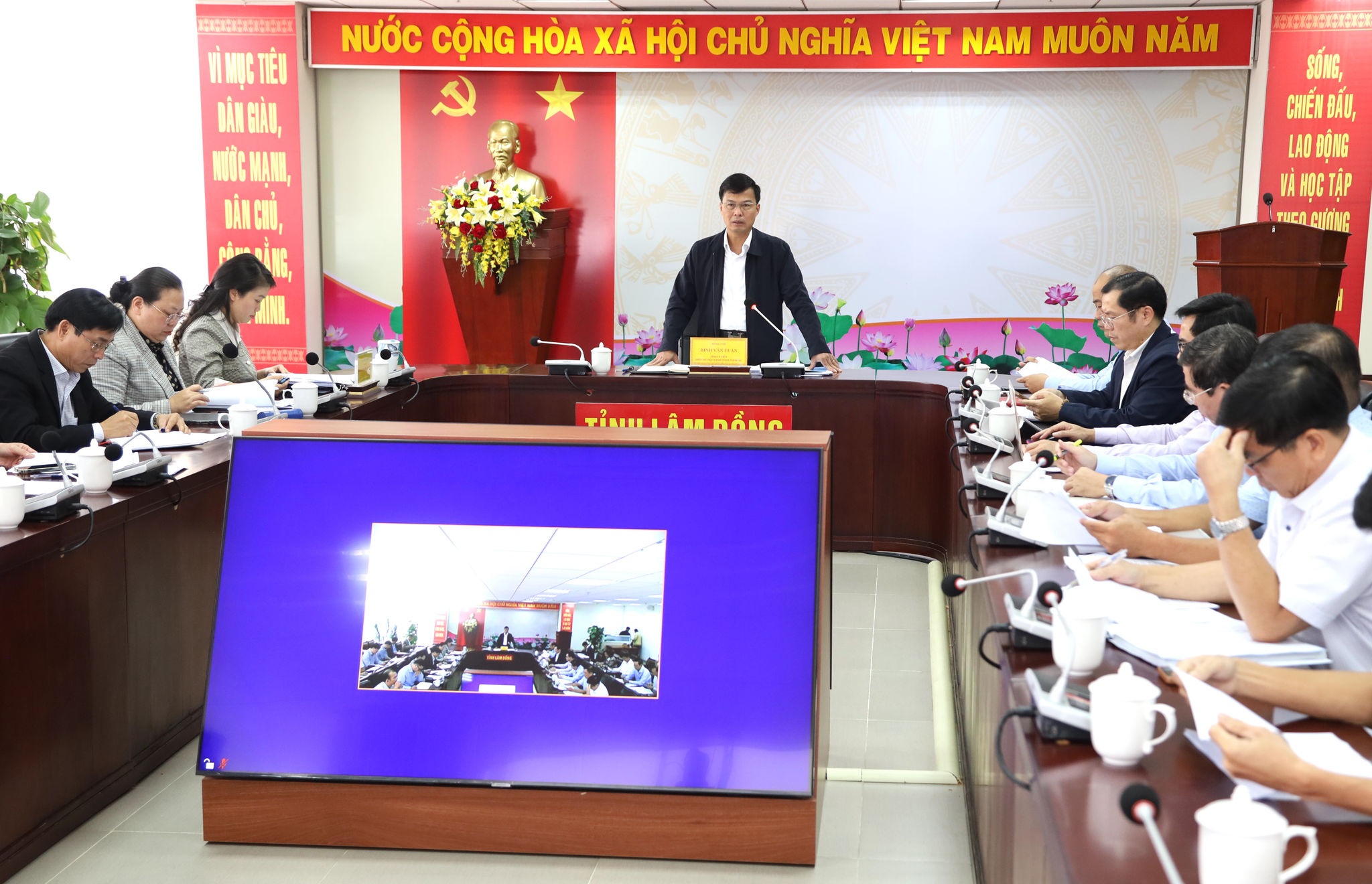
During the first nine months of 2026, the provincial health sector maintained medical examination and treatment, disease prevention and control, and public healthcare activities. The province also rolled out periodic health check-ups and free screening programs for residents.
Disease prevention and control efforts were strengthened during the period. Cumulatively, the province recorded 3,889 cases of hand, foot and mouth disease and 4,064 cases of dengue fever.
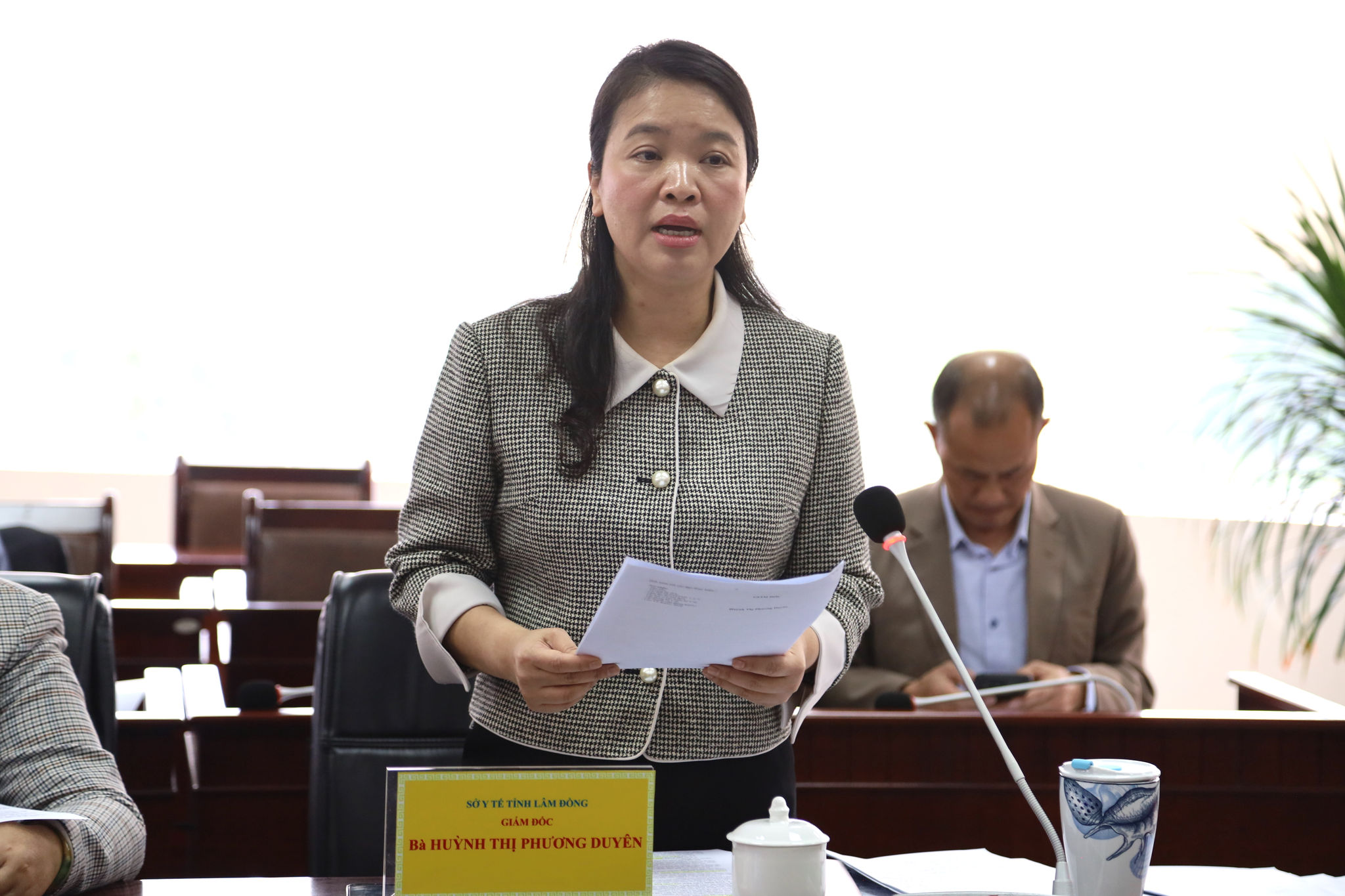
As of September 10, a total of 2,535,731 residents had received health check-ups, equivalent to about 65% of the province's population.
The figure included 355,878 children under six, 697,128 people aged between six and 18, and 1,482,725 people aged over 18.
A total of 124 communes, wards and special zones have launched health screening programs. However, implementation remains behind schedule compared with the target of completing the program in November 2026.
Localities are still facing difficulties in reviewing eligible residents, selecting medical facilities, arranging medical personnel, managing health data and organizing examinations.
Healthcare investment faces implementation bottlenecks
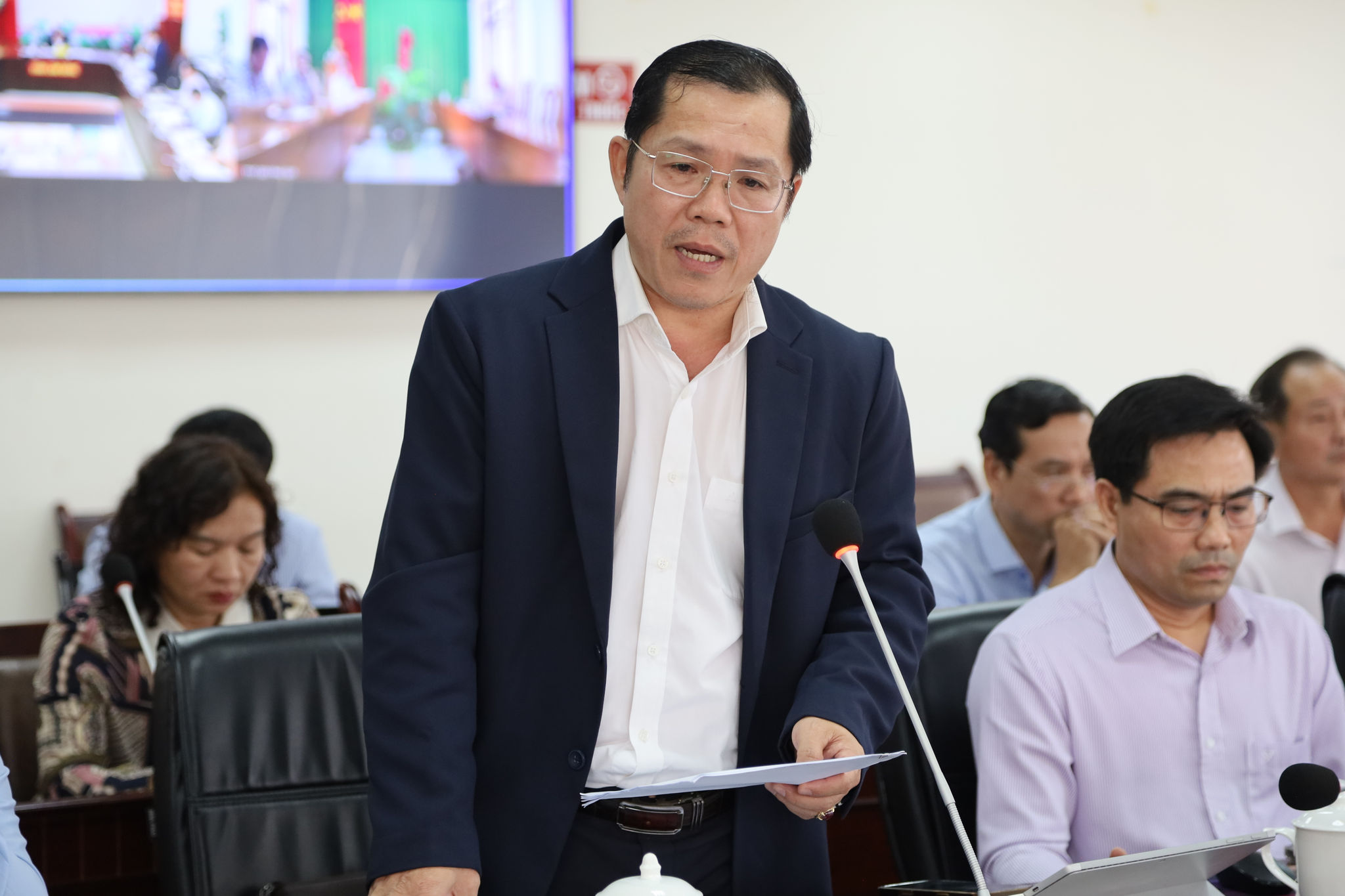
In public investment, the health sector was allocated a total state budget capital plan of VND140.401 billion for 2026.
As of September 15, VND34.464 billion had been disbursed, equivalent to 24.55% of the annual plan.
Several ongoing projects have recorded relatively high disbursement rates. However, many newly launched projects, particularly those involving the procurement of medical equipment, remain behind schedule due to difficulties with bidding procedures, acceptance, handover and payment.
The slow progress presents a challenge for the health sector as it works to maximize the use of its 2026 public investment allocation.
Lam Dong targets faster health screening and investment disbursement
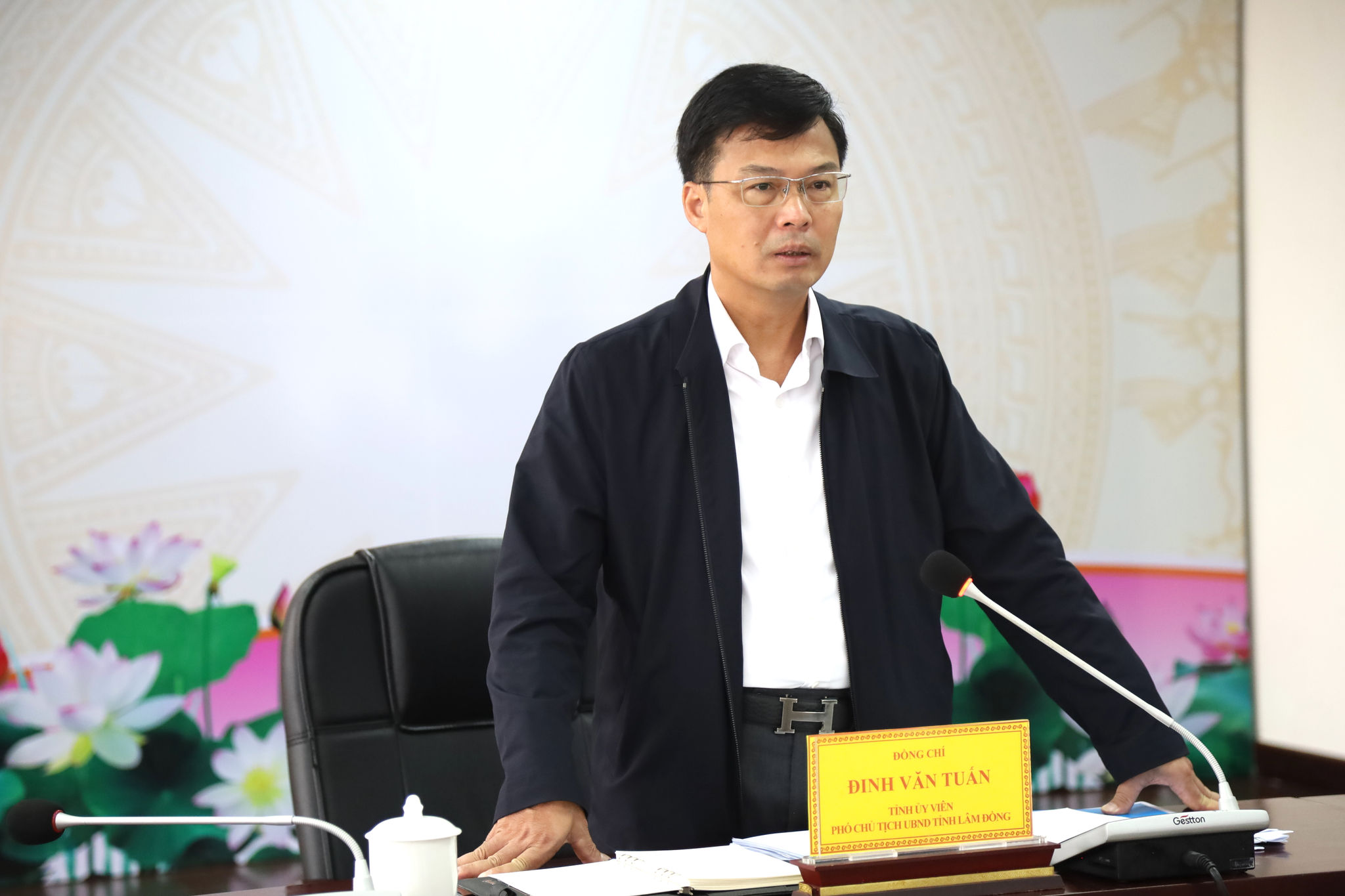
Concluding the meeting, Vice Chairman Dinh Van Tuan asked the Department of Health to review and effectively implement its assigned tasks.
For the health screening program, he called for closer coordination with local authorities, faster implementation and a comprehensive review of eligible residents.
Medical facilities should organize screening in forms suited to local conditions, with the aim of completing the program in November 2026.
He also emphasized the need to update, connect and complete residents' health data so that information can be used more effectively across the healthcare system.
Regarding public investment, Dinh Van Tuan asked relevant units to proactively resolve difficulties and accelerate administrative procedures, bidding, construction, acceptance, handover and final settlement.
Project management boards were instructed to coordinate closely with the Department of Health to ensure project schedules and maximize disbursement of the 2026 capital plan.
The direction places health screening and healthcare investment on two closely linked tracks: expanding access to preventive care while ensuring that public resources for medical infrastructure and equipment are put into effective use.