


Lam Dong Seeks Approval for a Gateway to the Sea
Lam Dong is proposing an 86,000-hectare special economic zone to connect the highlands with the coast and unlock investment in industry, energy, logistics and tourism.
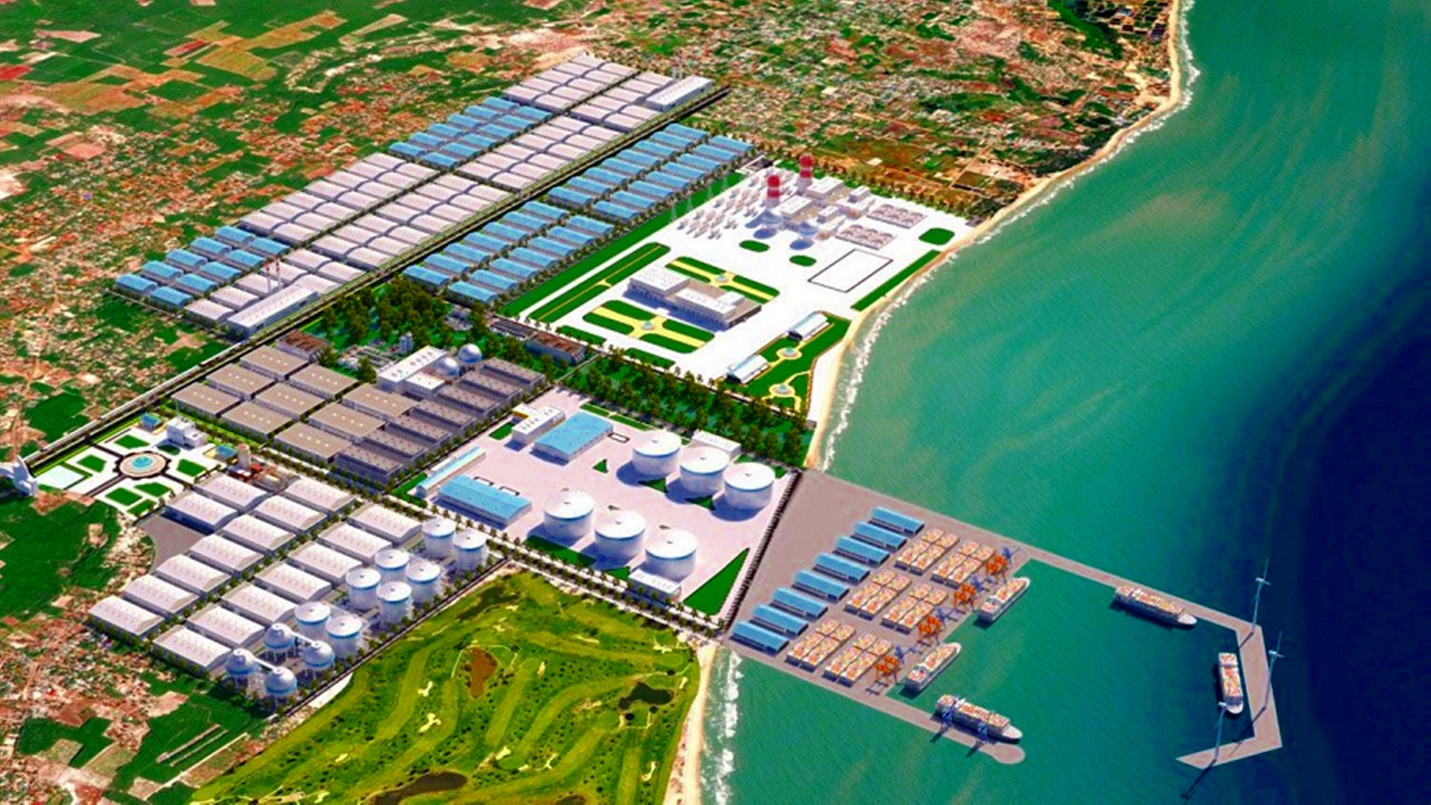
The Lam Dong Provincial People's Committee has sent an official document to the Prime Minister seeking approval in principle to develop a proposal for the establishment of a special economic zone in Lam Dong Province. The initiative aims to reorganize the province's development space following the merger of Lam Dong, Dak Nong and Binh Thuan, opening up a broader vision for a region stretching from the highlands to the coast.
A Strategic Move Built on Regional Potential
History shows that regions seeking a new phase of development often make breakthroughs by moving beyond existing constraints and creating a sufficiently large space for growth. Against this backdrop, Lam Dong's official request for approval in principle to develop a proposal for a special economic zone represents a strategic shift that could redefine the position of this vast region.
With a natural area exceeding 24,233 square kilometers, Lam Dong encompasses a development landscape extending from the highlands to the coast. It brings together major agricultural production areas, vast bauxite and titanium reserves, and internationally recognized tourism destinations such as Da Lat and Mui Ne.
Yet even abundant potential cannot be fully realized without breakthrough mechanisms and a focal point capable of attracting investment. Without these conditions, the economy risks remaining constrained by a traditional growth model based largely on agriculture and conventional services.
During 2021–2025, the province's gross regional domestic product (GRDP) grew by an average of approximately 5.96% annually, while GRDP per capita reached about VND 105.24 million. These figures indicate that the economy has maintained growth, but its economic structure has yet to undergo a sufficiently strong transformation.
Many advantages—including aluminum industry development, energy, the marine economy, logistics, the digital economy and energy security—remain underexploited. These sectors continue to develop separately rather than forming integrated value chains.
This is the rationale behind the proposal to establish a special economic zone covering approximately 86,000 hectares through the reorganization and consolidation of six commune- and ward-level administrative units: Son My, Ham Tan, Tan Minh and Tan Hai communes, together with La Gi and Phuoc Hoi wards.
Instead of continuing to develop projects and localities in isolation, the province aims to create a sufficiently large, comprehensively planned economic space, supported by suitable governance mechanisms and investment policies to attract projects capable of generating broad spillover effects.
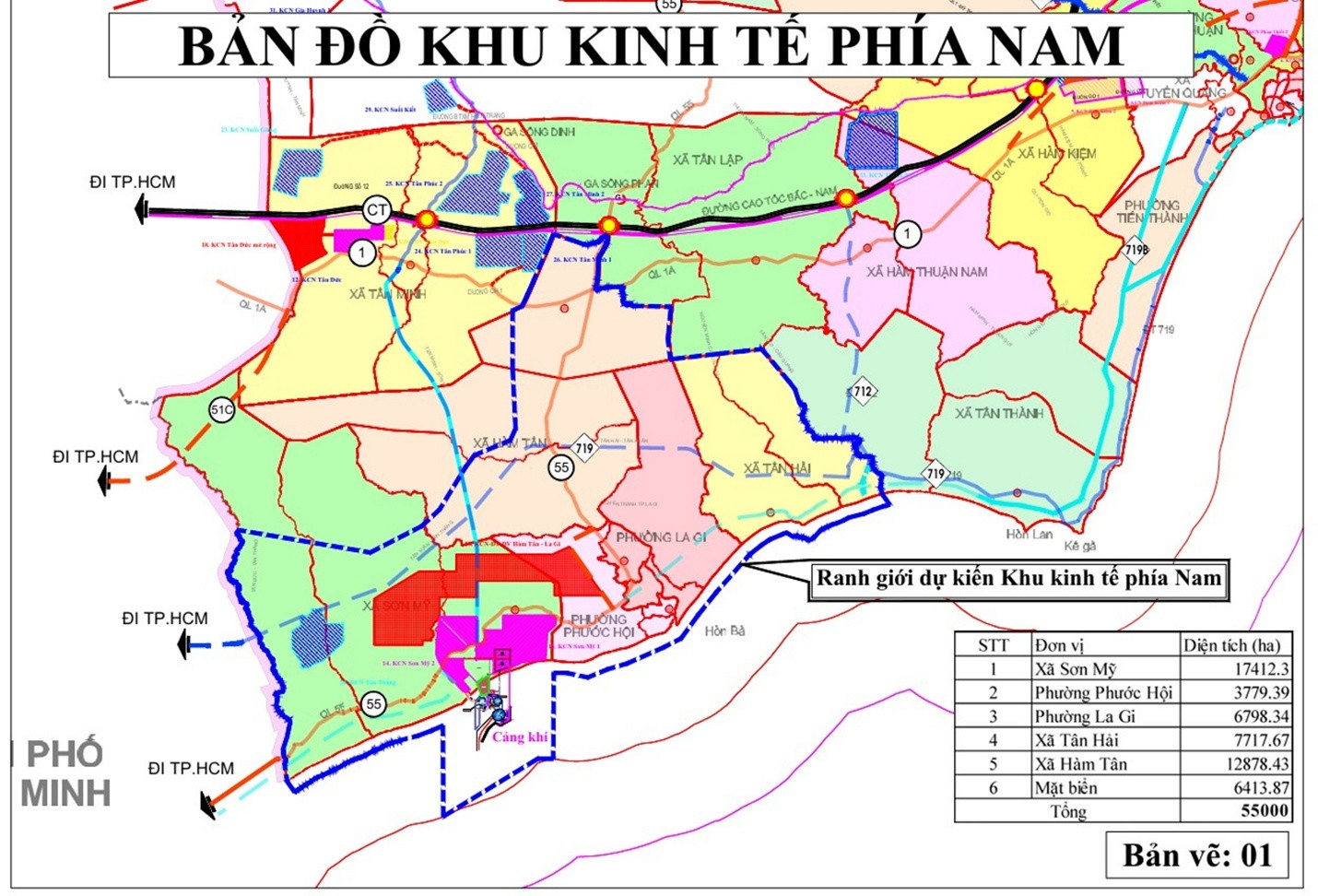
Viewed geographically, these six localities offer more than individual development advantages. With coordinated planning and investment, the area could become a meeting point for the marine economy, industry, energy, logistics and transport corridors connecting the Central Highlands with the southern key economic region.
This is not merely a patchwork adjustment of administrative boundaries. It reflects an approach focused on pooling resources and creating a core area with a high concentration of economic activity.
The Coast as a New Growth Engine
One of the area's rare advantages is its strategic connectivity. It is within close reach of Ho Chi Minh City, Dong Nai and the southern key economic region, while also offering potential connections with the Central Highlands and international maritime routes.
The planned infrastructure network includes the North–South Expressway, National Highway 1A, National Highway 55, the Tan Minh–Son My route, coastal roads and a future high-speed railway. These connections would be complemented by the seaport system in southeastern Vietnam and logistics links with Phu Quy Special Zone.
Of particular significance, Son My Port is expected to accommodate vessels of up to 150,000 tonnes. Combined with the Son My Power Center, with a planned capacity of 4,500 MW, and the Son My liquefied natural gas (LNG) terminal, the area has the potential to develop into an important energy and maritime logistics hub.
The region also has potential in offshore wind power, renewable energy, hydrogen and green ammonia. These sectors could support a new energy-industrial ecosystem linking electricity generation with energy storage, industrial supply and the development of carbon credit markets. This direction is also consistent with long-term goals for green growth and the energy transition.
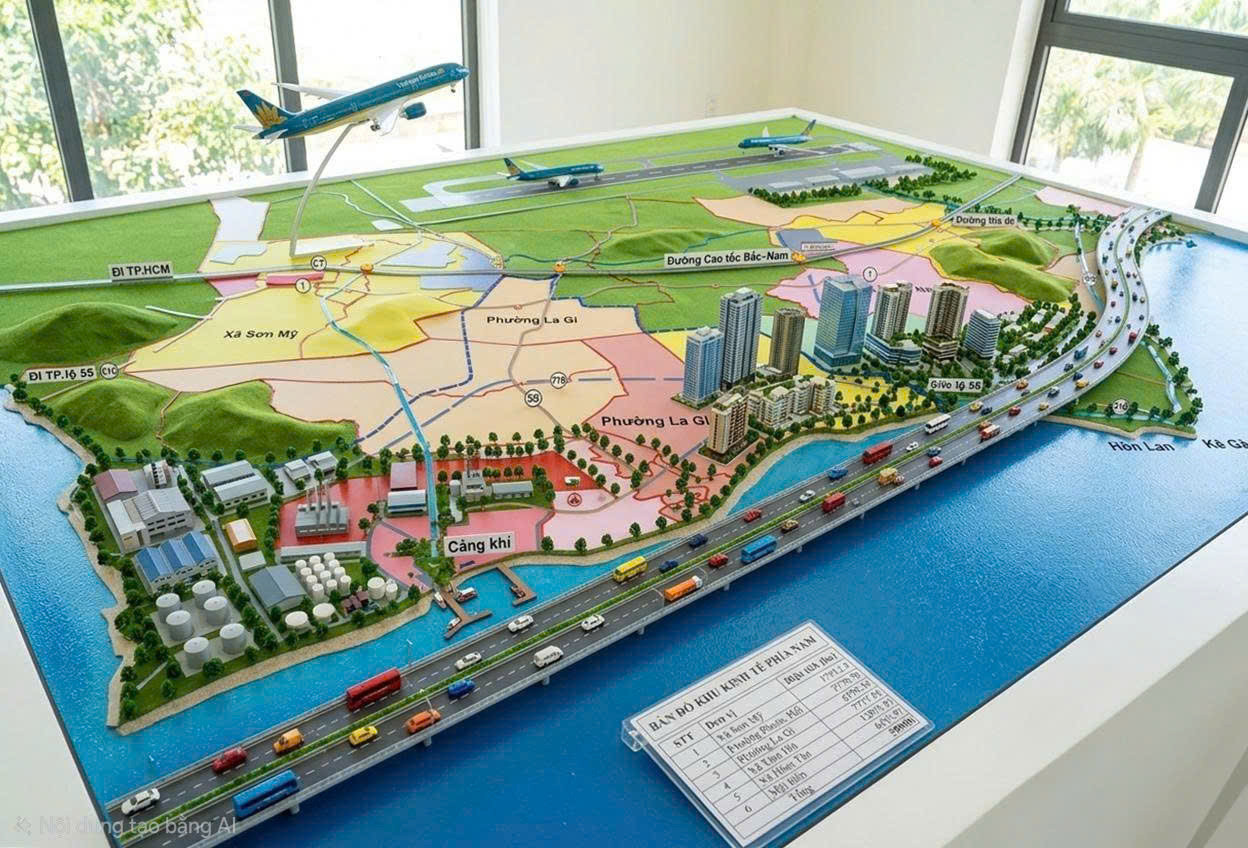
The proposed special economic zone is envisioned as an integrated, multi-sector development model. Its potential investment fields range from processing industries to education and high-quality healthcare. Marine tourism, resort development and integrated entertainment complexes, including casino operations, are also identified as potential investment attractions.
At this scale, the area could move beyond its role as a coastal locality within Lam Dong. It could become a maritime gateway for parts of the Central Highlands while strengthening port capacity, energy infrastructure and industrial development for the southern key economic region.
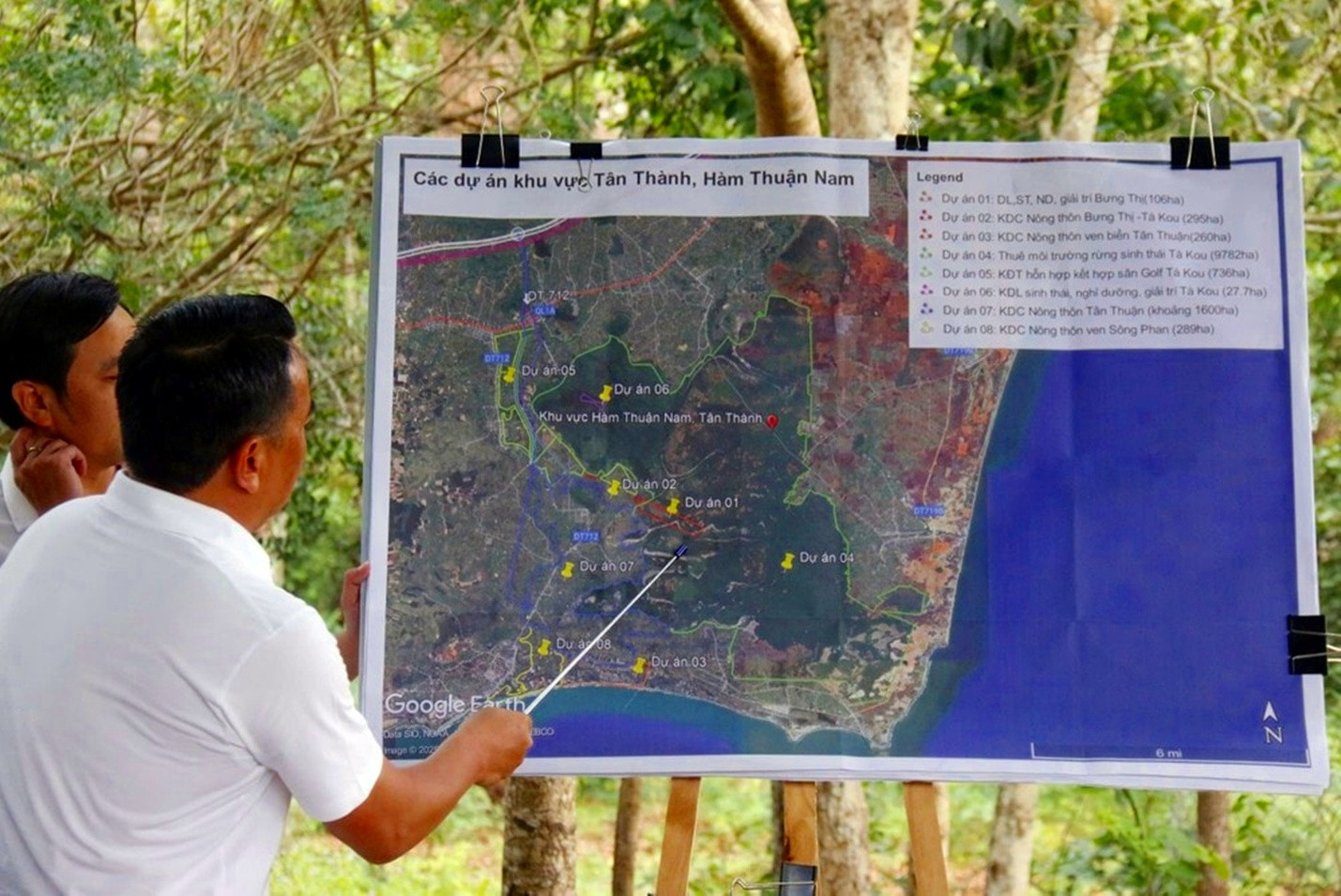
Another notable aspect is that the proposed special economic zone would extend to Tan Hai, directly connecting with the Tan Thanh and Ham Thuan Nam areas. This creates a potential synergy with Sun Group's major Ta Cu–Bung Thi–Song Phan complex, covering 12,000 hectares with investment capital of nearly USD 1 billion.
The interaction between clean-energy industry, logistics and free trade on one side, and a high-end tourism and resort urban complex along the coast on the other, could make this southern coastal corridor a highly attractive destination for investment.
In other words, the region's advantage does not lie simply in how close it is to Ho Chi Minh City or Dong Nai. Its real value lies in the ability to connect production, transportation, energy and services into a unified network.
When goods from the highlands can reach seaports efficiently, ports have stable cargo sources, and industries have reliable energy and infrastructure, neighboring localities can do more than coexist on a map: they can participate in the same value chain.
Building a New Cycle of Prosperity
The establishment of a special economic zone in Lam Dong is also intended to address a significant imbalance between local revenue and expenditure. In 2025, revenue across the relevant area amounted to only more than VND 308 billion, while expenditure exceeded VND 1.061 trillion.
Once heavy industries, energy projects, seaports and high-end tourism urban developments become operational under a more favorable legal framework, the area's capacity to generate internal revenue could increase substantially. This would help strengthen local financial autonomy and create tens of thousands of quality jobs for residents.
The Lam Dong Provincial People's Committee has asked the Prime Minister to approve in principle the preparation of a proposal for the establishment of the special economic zone in accordance with regulations. It has also requested coordination and guidance from central ministries and agencies to complete the necessary dossier for submission to the competent authorities for consideration in 2027, subject to meeting the required conditions.
The broader message is clear: a locality seeking to move forward cannot remain confined by outdated administrative boundaries and traditional development thinking. Lam Dong has chosen a more ambitious path, guided by a vision that extends toward the ocean.
As expressways extend, offshore wind turbines turn and large vessels call at Son My Port, this coastal region could move beyond being an area of untapped potential to become a dynamic center of development for the South Central Coast and the country as a whole.
According to 2025 statistics, the total product value generated across the six communes and wards proposed for inclusion in the special economic zone was estimated at approximately VND 34.325 trillion. At the current growth rate, the estimated increase in value added by 2030 is approximately VND 25.1 trillion.
The proposal dossier argues that this growth rate falls short of the province’s potential, as its advantages in seaports, energy and industry remain underutilized, while breakthrough mechanisms and policies to stimulate investment have yet to be established.
If the special economic zone is approved and key development projects are implemented as planned, the province aims to attract total investment of approximately VND 70–90 trillion by 2030, including around VND 10 trillion from the state budget. By 2050, total investment is projected to reach approximately VND 200–250 trillion, with state budget investment accounting for around VND 20 trillion.
The dossier also estimates that accelerating projects in Son My could generate approximately VND 43.1 trillion in additional value by 2030, 72% higher than the projection under current growth conditions. This contribution is expected to help raise the provincewide GRDP growth rate by 2030 from a baseline of around 10.5% to approximately 12%.