


Lam Dong Tightens Management of Durian Growing Area Codes for Export
Lam Dong Province is strengthening the management of durian growing area codes and packing house codes to meet requirements for official exports to China.
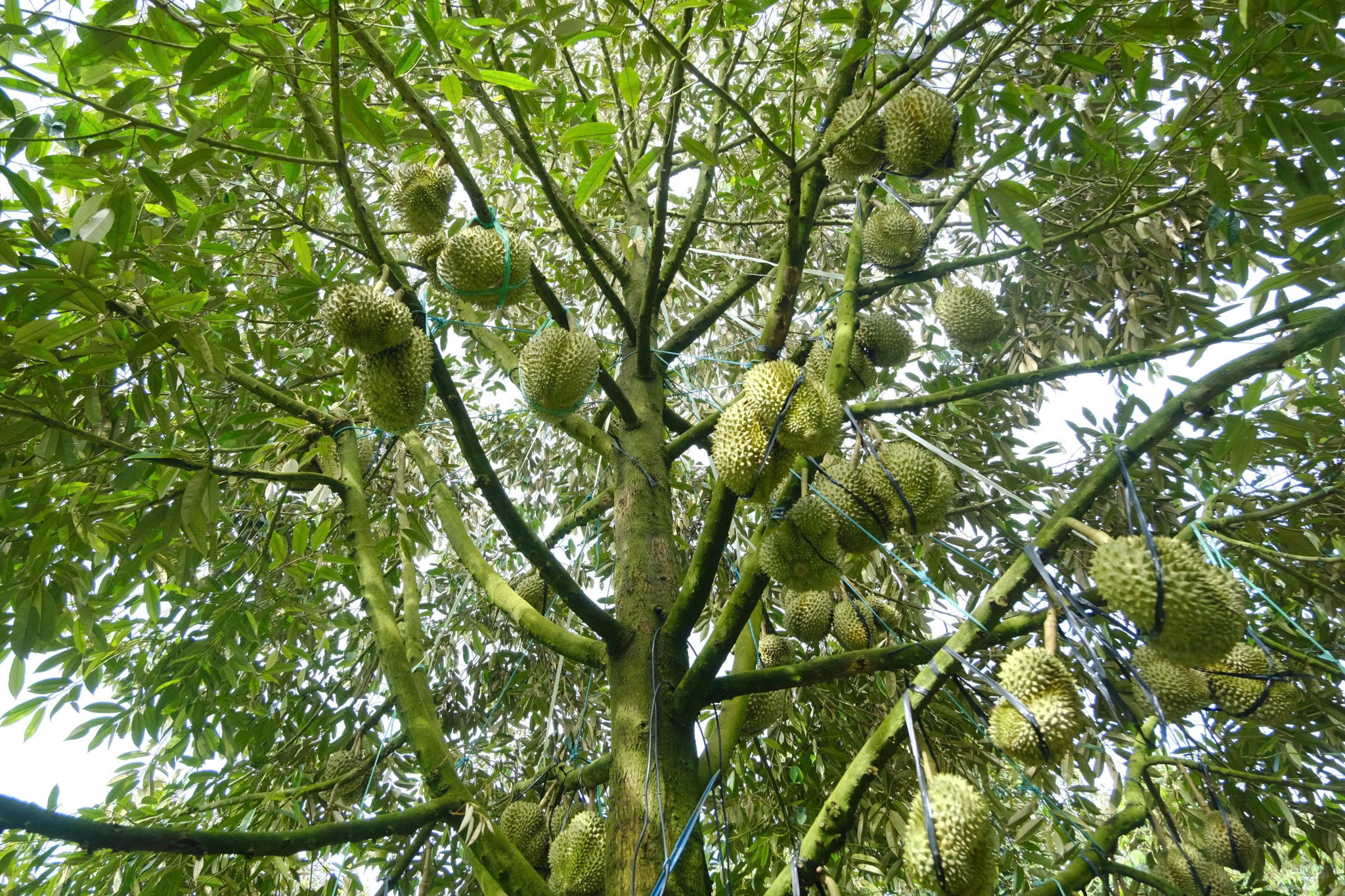
Standardizing Production for Export
With demand for official durian exports to China continuing to rise, strict management of growing area codes and packing house codes has become essential to ensure product quality, traceability, and food safety.
According to exporters, every shipment of durian must meet stringent requirements regarding pesticide residues, cadmium levels, Auramine O contamination, and pest control, particularly mealybugs.
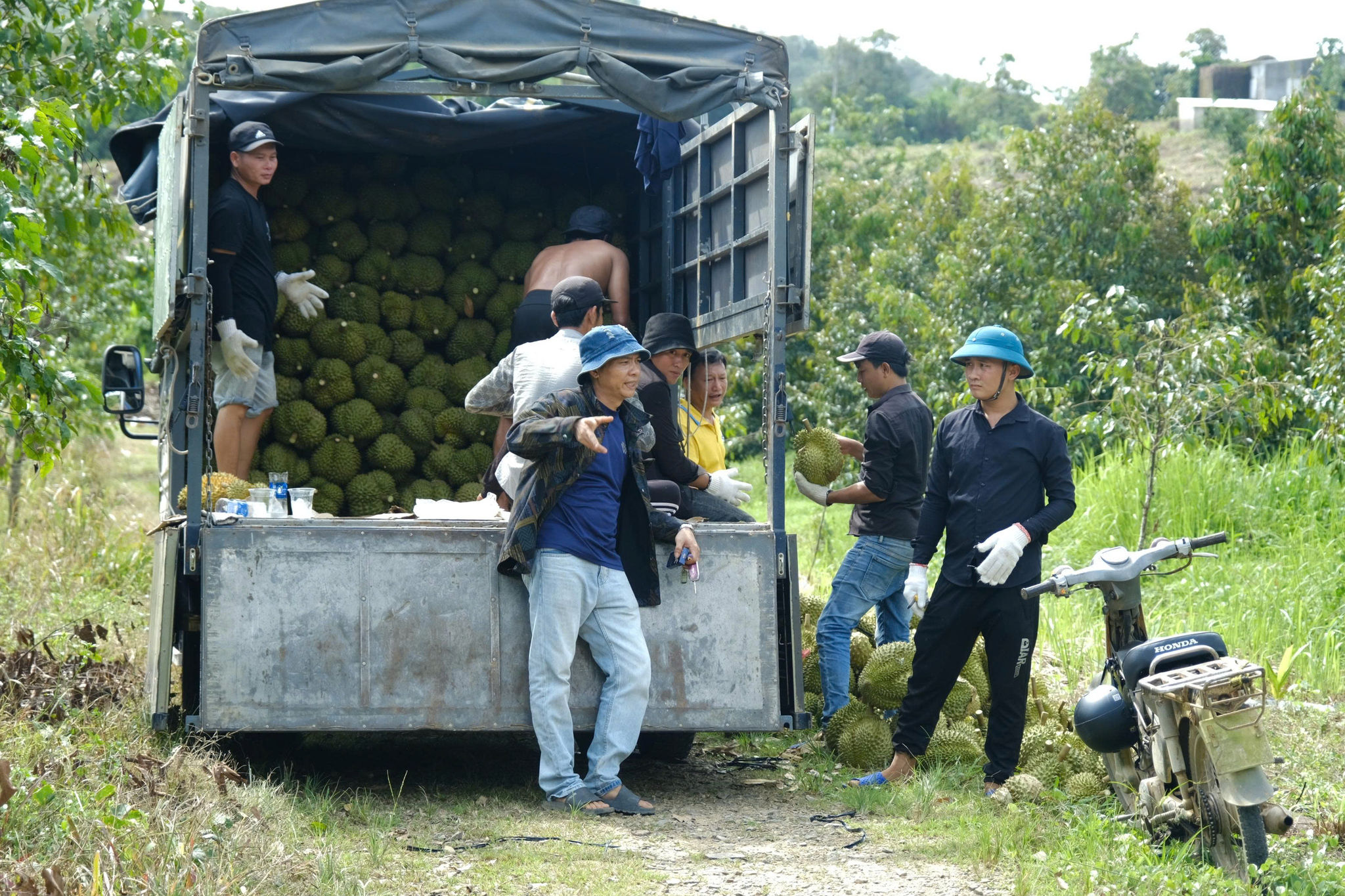
Tran Van Hieu, owner of a durian purchasing and exporting business in Hoa Bac Commune, said his company exports approximately 500 containers of durian to China each season. However, maintaining a stable export market requires both businesses and farmers to strictly follow production standards.
“Only when businesses operate properly and farmers consistently produce high-quality fruit can the market remain sustainable,” Hieu said.
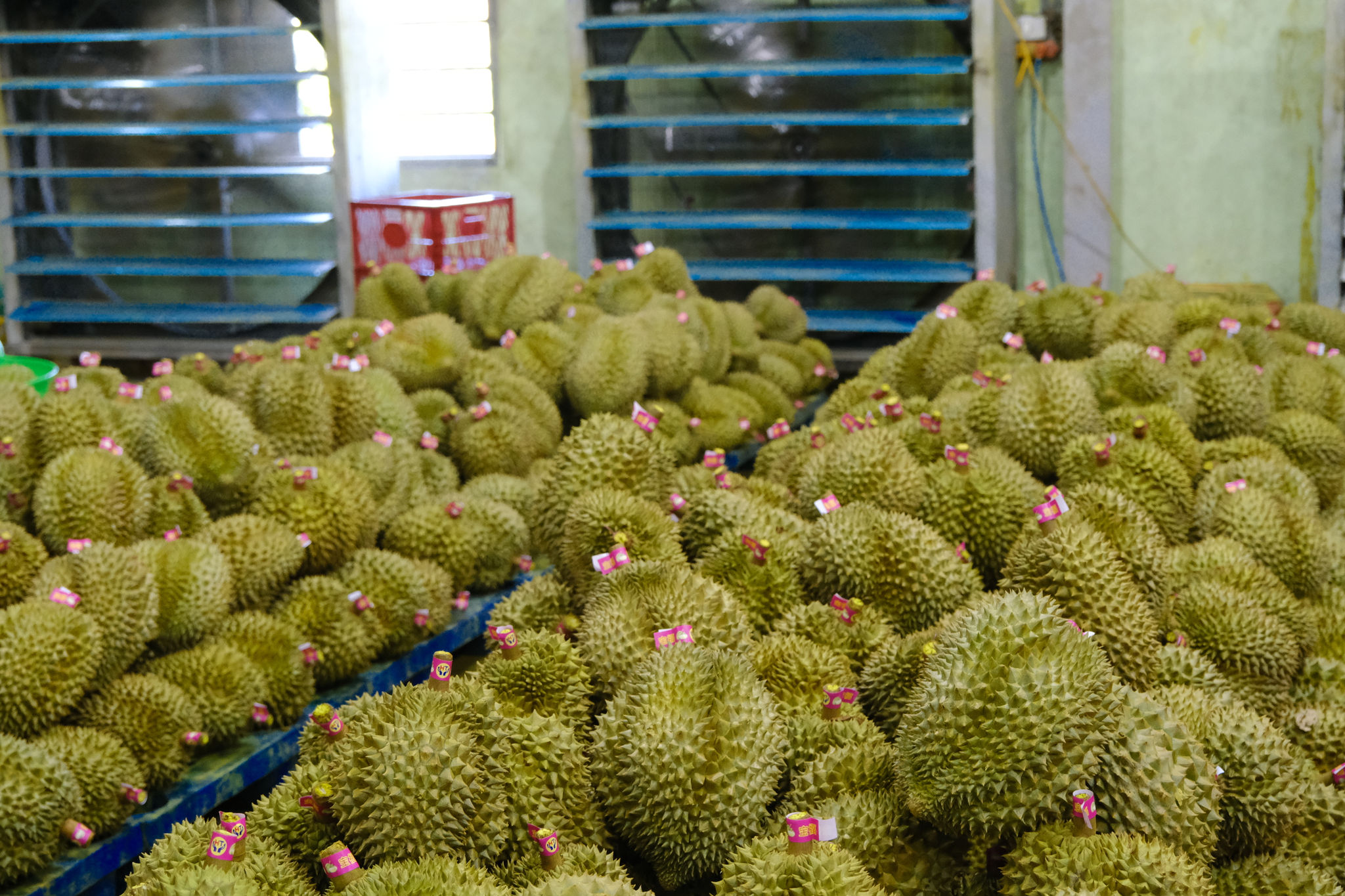
In Hoa Bac Commune, durian is considered a key crop, covering more than 4,219 hectares. Of this area, approximately 2,297 hectares are in stable production, yielding over 30,000 tons annually.
To meet export requirements, local authorities have worked with agricultural agencies to help farmers adopt safer cultivation practices, register growing area codes, and comply with production standards.
Vu Hai Nam, Vice Chairman of the Hoa Bac Commune People's Committee, said the commune has been granted 22 growing area codes for durian exports to China, covering more than 852 hectares, equivalent to about 37% of the commune’s commercial durian-growing area.
According to agricultural sector statistics, Lam Dong currently has more than 44,000 hectares of durian. Chinese authorities have approved 346 growing area codes and 70 packing facility codes for official exports.
Ha Ngoc Chien, Director of the Lam Dong Sub-Department of Crop Production and Plant Protection, said the management of growing area codes is being implemented under government regulations and is currently being standardized according to newly adjusted administrative boundaries.
“Growing area code management is being carried out in accordance with Government Decree No. 38. We are standardizing all information under the new administrative system to ensure consistent and effective management,” Chien said.
Preventing the Fraudulent Use of Growing Area Codes
Alongside efforts to expand certified production areas, Lam Dong’s agricultural sector is increasing inspections and monitoring to prevent the borrowing or fraudulent use of growing area codes in export activities.
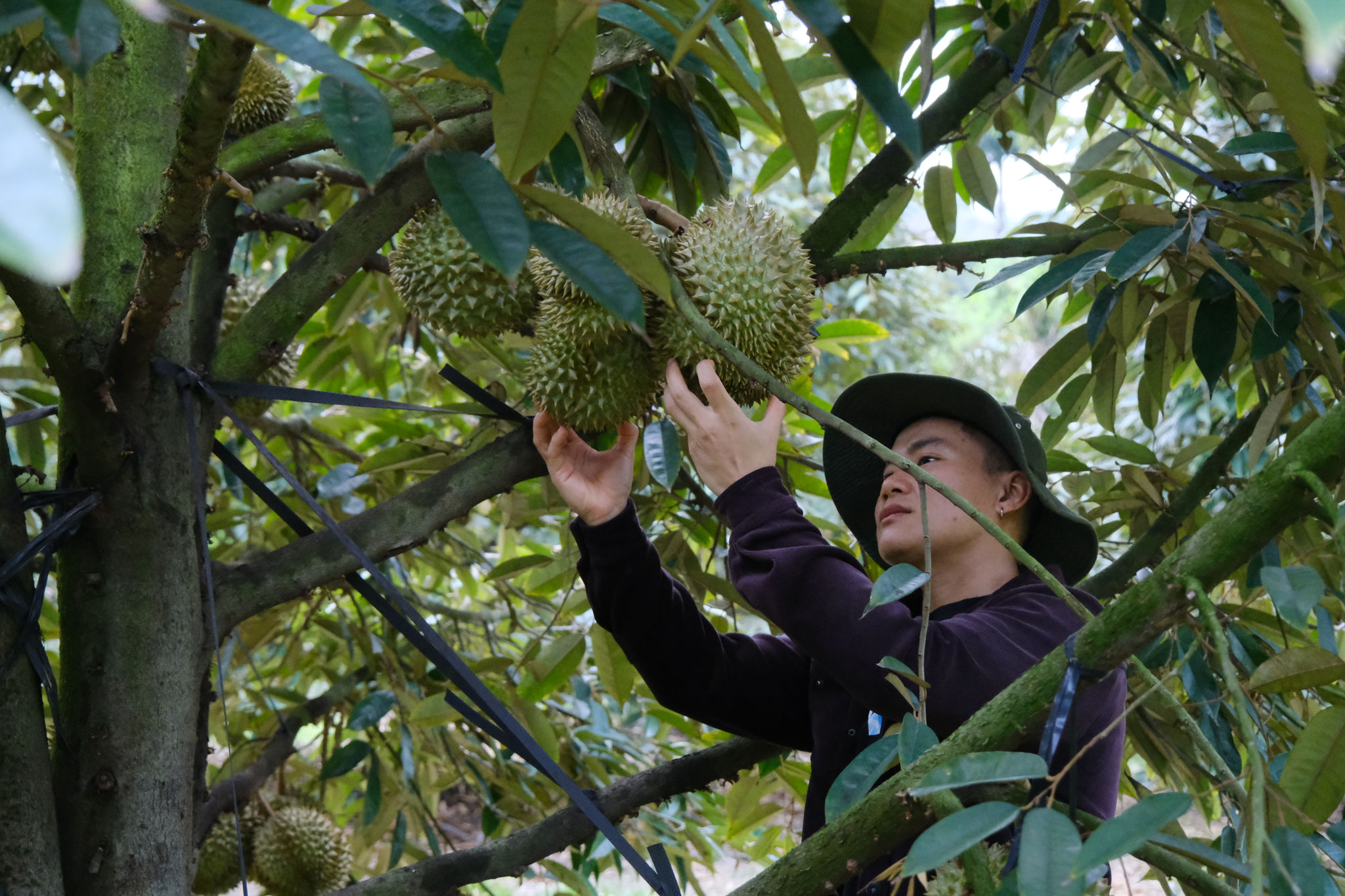
Vu Dinh Cuong, Deputy Director of the Lam Dong Department of Agriculture and Environment, said authorities are focusing on helping farmers adopt safe production practices and closely monitoring agricultural inputs used in durian cultivation.
“We are strengthening communication and guidance for farmers on safe production processes while closely supervising agricultural materials used in durian production,” Cuong said.
According to the Sub-Department of Crop Production and Plant Protection, Lam Dong currently has 133 businesses and cooperatives involved in durian purchasing. About 85% of the province’s durian output is sold as fresh fruit, while the remainder is processed into frozen or peeled products.
The province has also established 47 production and consumption linkage chains involving more than 1,678 farming households across over 4,500 hectares.
Hoang Ngoc Duyen, Deputy Head of the Crop Production Division, said China’s General Administration of Customs has approved 961 growing area codes covering more than 39,360 hectares and 362 packing house codes for various agricultural exports from Lam Dong. Among all agricultural products, durian has achieved the fastest growth in code standardization.
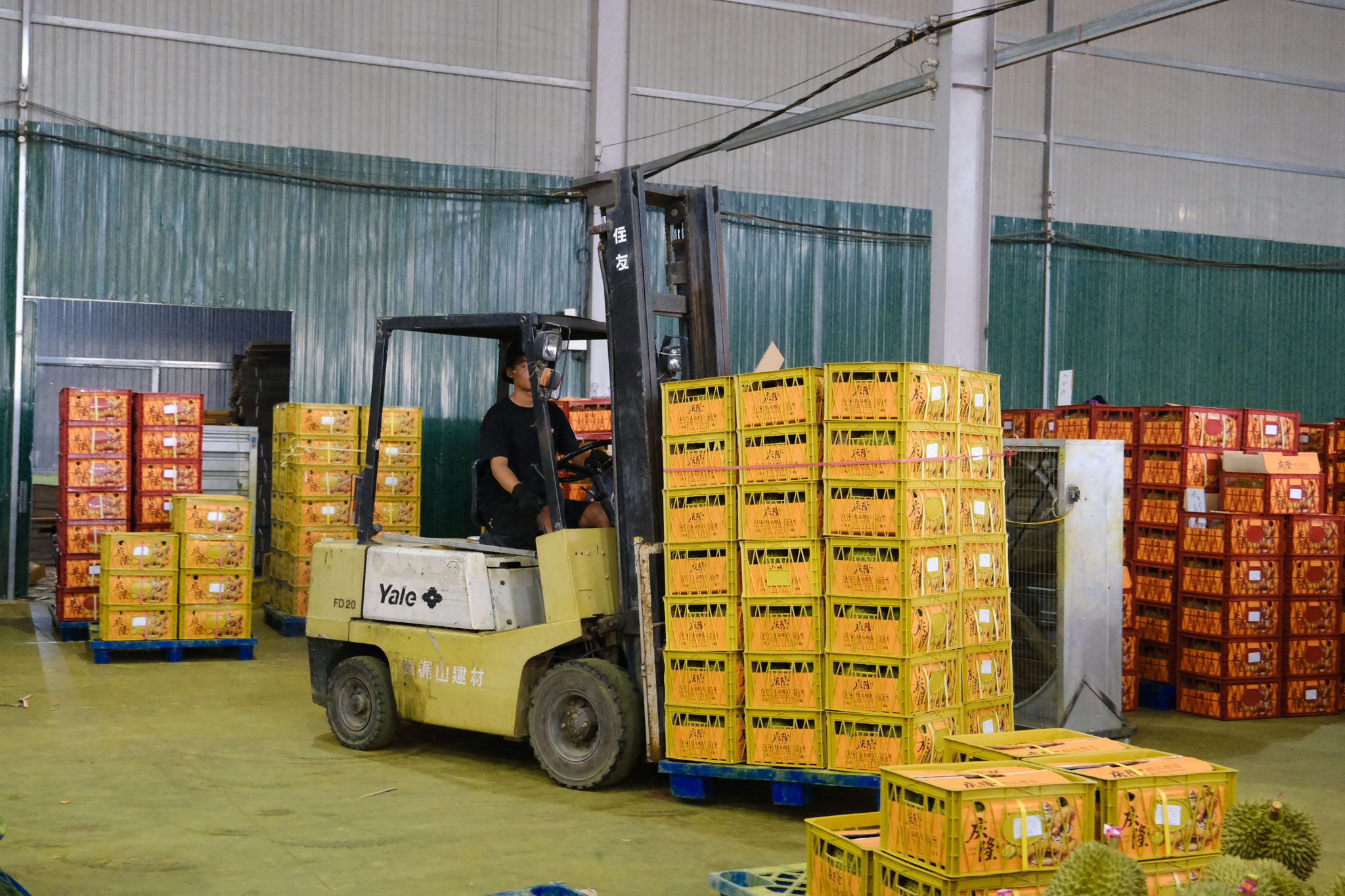
To strengthen oversight, agricultural authorities regularly update lists of growing areas that violate standards related to heavy metals or pest infestations, while enhancing controls on fertilizers and plant protection products and providing guidance on safe farming practices.
During 2024–2025, the province organized 109 training courses for growers and packing facilities, attracting more than 3,382 participants. Notably, electronic production diaries have now been implemented across 100% of registered growing areas and packing facilities through software managed by the Plant Protection Department.
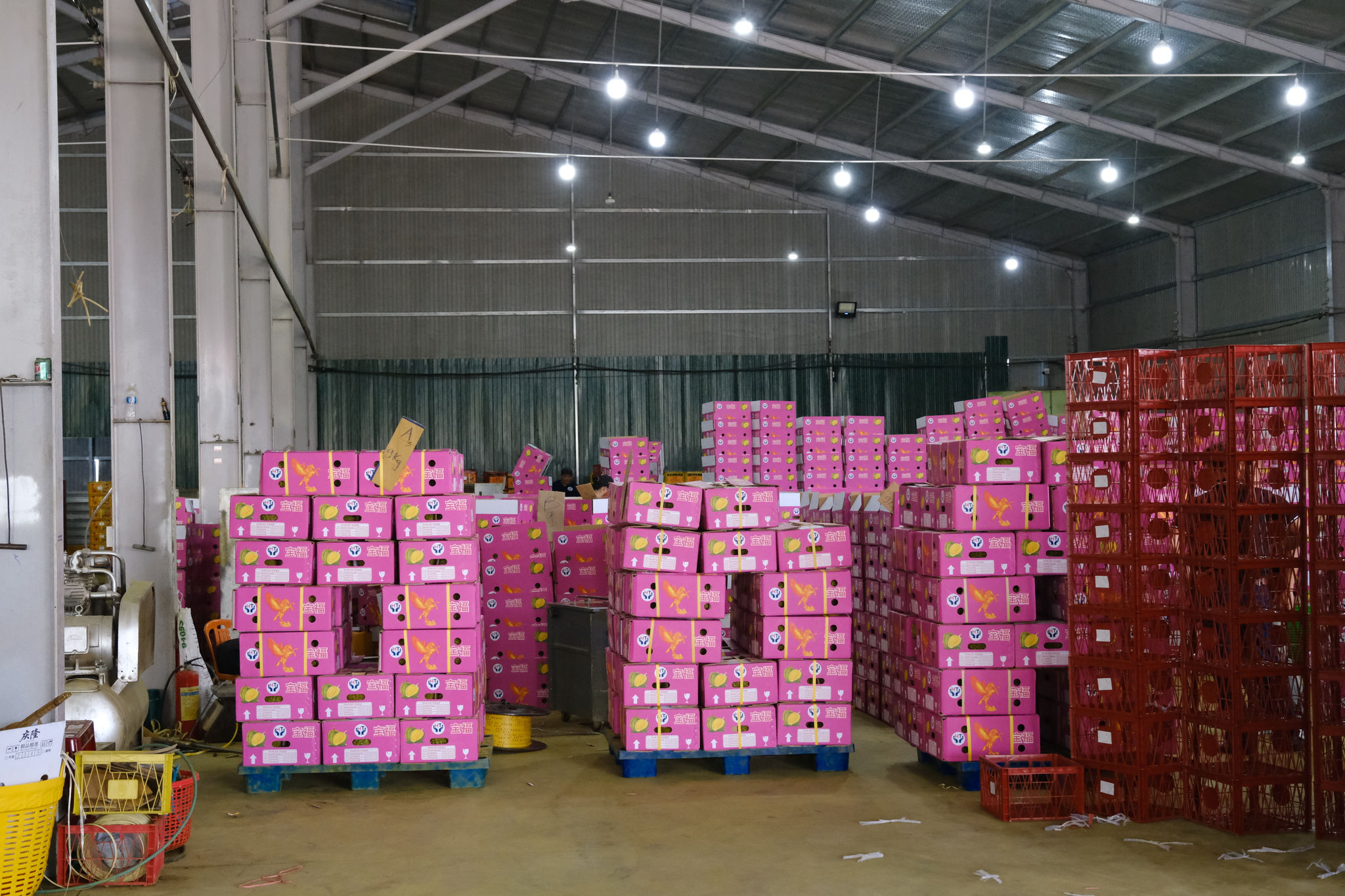
The tightening of management over growing area codes and packing facility codes is expected not only to expand export opportunities for Lam Dong durian but also to promote a more professional, modern, and sustainable agricultural production system.