


Race to Comply with EUDR Requirements
The European Union Deforestation Regulation (EUDR) has been revised, extending the compliance deadline to December 30, 2026 for medium-sized and large companies. Micro and small enterprises have until June 30, 2027 to comply—one year later than originally planned.
Time Is Running Out
With less than five months to go before the deadline, exporters must demonstrate that their coffee products are not associated with deforestation after December 31, 2020, to maintain access to the European market. The clock is ticking, and many businesses remain ill-prepared, creating significant hurdles for Vietnam's coffee industry as it strives to comply with the strict requirements set by European buyers.
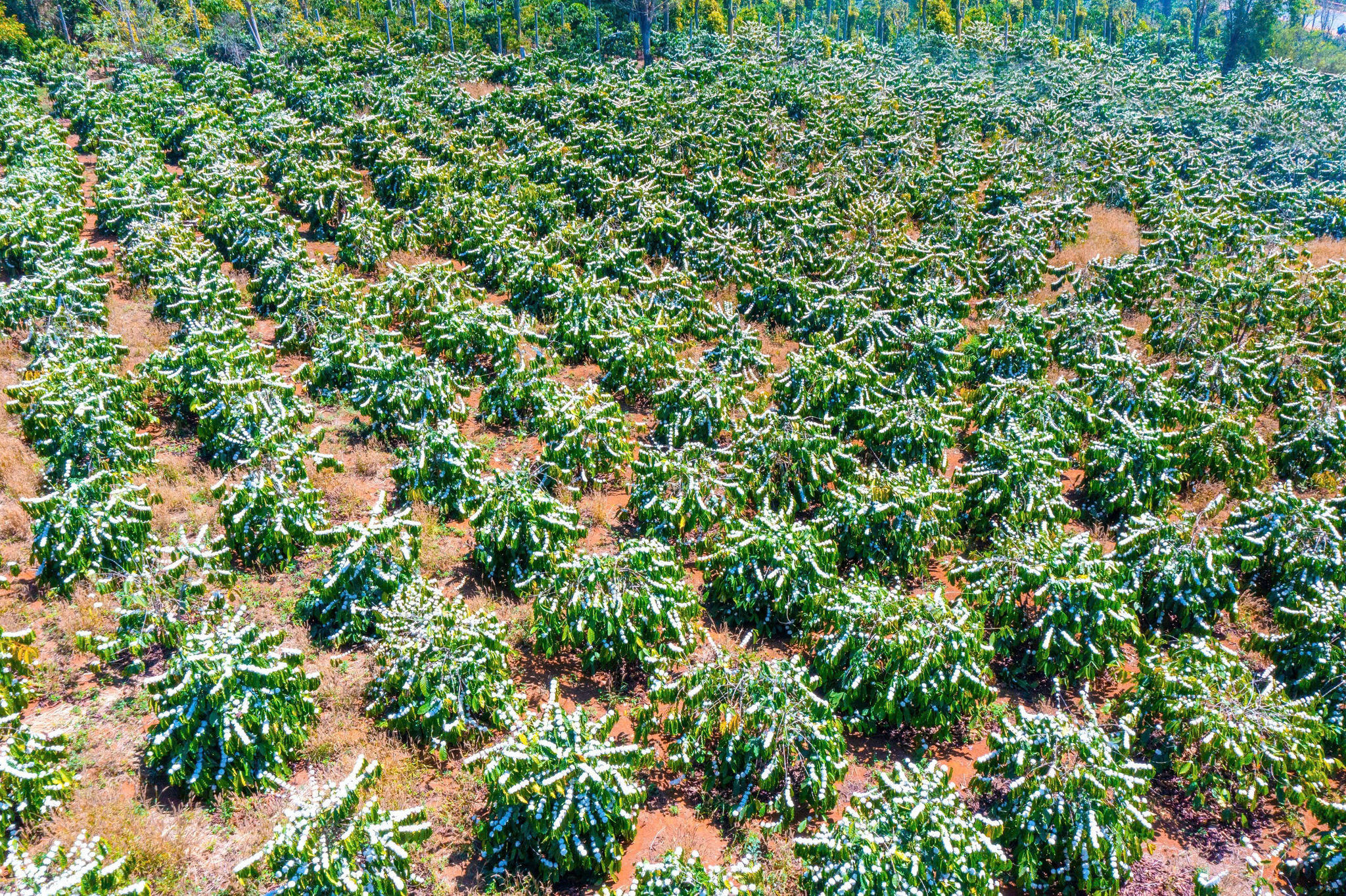
Western Lam Dong, which consists of 28 communes and wards, is a vital area for coffee production and export in Vietnam. This region has approximately 143,000 hectares of coffee plantations, with around 131,000 hectares currently being harvested, yielding about 360,000 tonnes each year. Coffee represents 37% of the total cultivated land in the region.
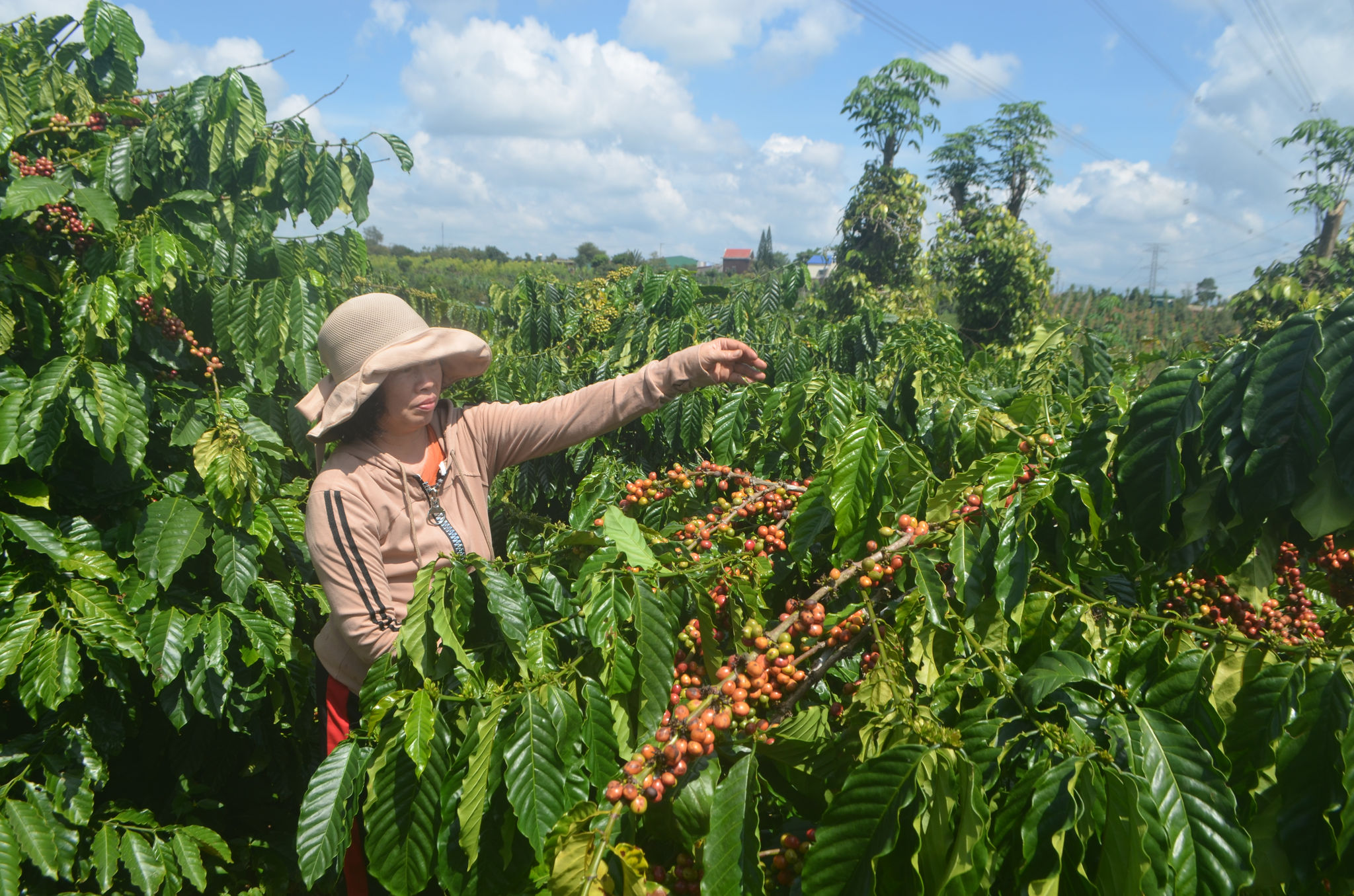
According to Truong Cong Toan, Director of Toan Hang Private Enterprise in Nhan Co Commune, the company has spent many years producing and exporting coffee that meets the internationally recognized 4C sustainability standard. To ensure a reliable supply of certified raw materials, the company has collaborated with nearly 11,000 farming families who cultivate approximately 1,500 hectares of coffee.
To comply with the EUDR, companies need to collaborate closely with relevant stakeholders to create a comprehensive database that includes geographical coordinates and digital maps for each individual coffee plot. This is deemed the most critical element of the documentation needed for coffee exports to the European Union.
.jpg)
Businesses highlight the necessity of increasing awareness among farmers to ensure adherence to EUDR standards. Achieving this requires not only investment from corporations but also active collaboration with local authorities and other relevant stakeholders. Creating an efficient mechanism for reporting, sharing information, and responding to requests from importing countries is another major hurdle, especially if farming households do not keep detailed cultivation records and consistently apply recommended agricultural practices.
Nguyen Chi Dung, Deputy Director of Business Development at Simexco Dak Lak Import-Export Co., Ltd., which sources coffee from and collaborates with growers in various communes and wards in western Lam Dong, stated that businesses require greater assistance from local governments, industry associations, and international organizations to carry out activities related to EUDR. This collaboration would enable companies to determine the most effective strategies for compliance.
He noted that businesses are especially eager to receive accurate, comprehensive, and non-duplicated official datasets covering geographical coordinates, product origin, labor conditions, and legal agreements—key requirements under the EUDR. However, these datasets have yet to be fully compiled and released in a coordinated manner by relevant authorities.
Need for an Official Data Platform
Coffee produced in western Lam Dong is sent to numerous countries, with annual export quantities reaching around 120,000 tonnes. Consequently, adhering to the EUDR has become a pressing issue. Nonetheless, efforts in the region still encounter significant hurdles.
A major challenge lies in digitizing the growing area codes for each separate land parcel, as the majority of coffee farms are owned by smallholder farmers.
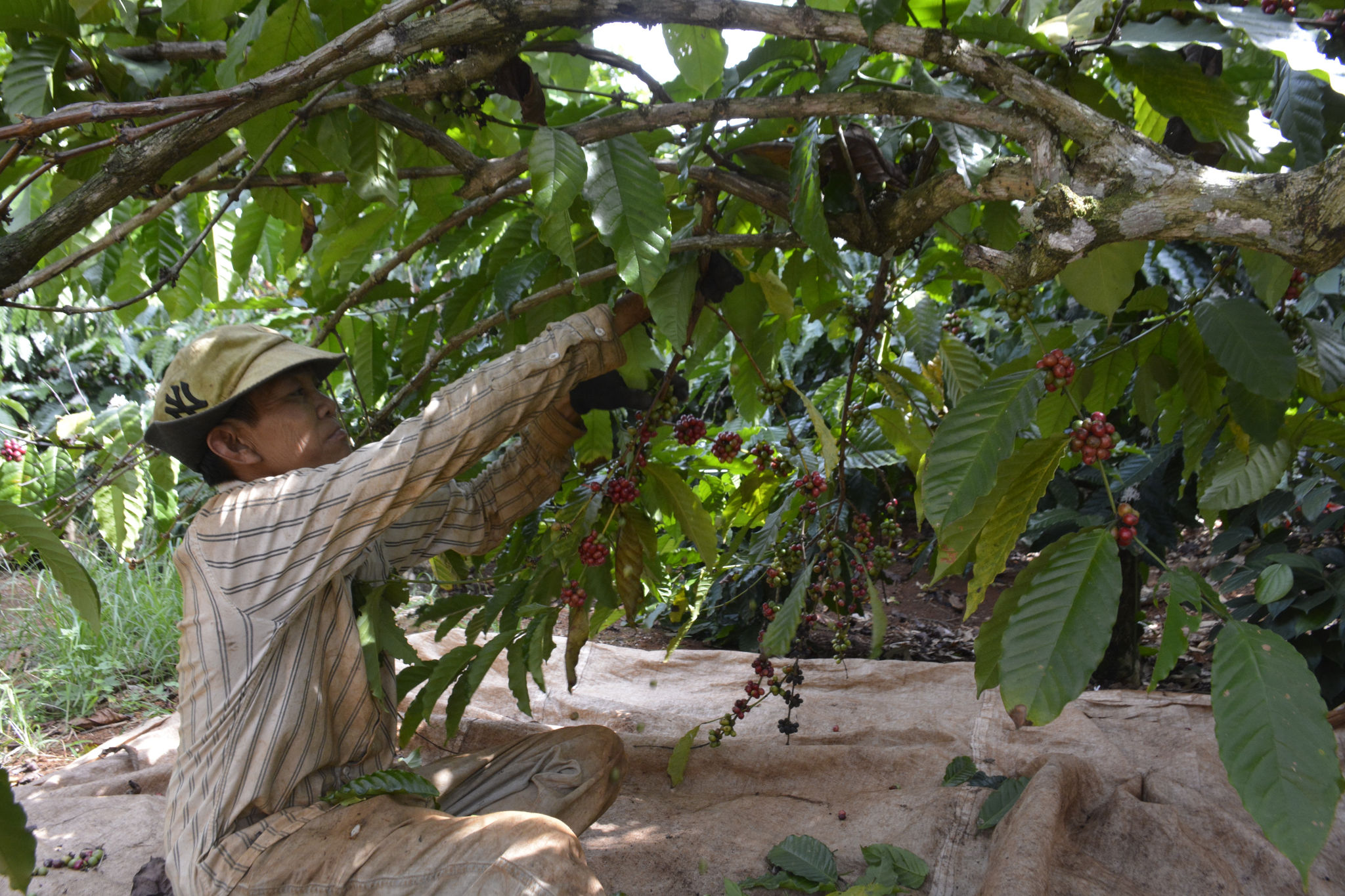
Initial estimates suggest that approximately 70,000 households grow coffee within the region, making the processes of gathering, validating, and standardizing data for both forestry and cultivation databases quite a monumental task. The challenge of tracing products and registering growing areas is further complicated by the fact that numerous coffee farms have been in operation for years without formal documentation or land-use permits. Engagement levels among farmers, exporters, and other involved parties are also inconsistent. In the meantime, local governments are constrained by limited financial and technical resources to carry out the comprehensive measures needed.
Despite the ongoing expansion of certified sustainable coffee, the increase remains somewhat limited each year. Recent data indicates that slightly more than 23,000 hectares of coffee farms comply with internationally accepted quality and sustainability certifications, accounting for approximately 18% of the entire coffee cultivation area in the region. This continues to pose a significant challenge to implementing the transparent traceability system mandated by the EUDR.
Sustainability certifications and supply-chain collaborations are not enough on their own. The EUDR demands a much greater level of transparency, accuracy, and legal responsibility. Without a comprehensive traceability system, the upkeep of precise land use and forest condition records by local authorities after December 31, 2020, and clear technical assistance for farmers, companies risk losing access to the EU market.
According to the updated implementation timeline, large businesses must adhere to the EUDR by December 30, 2026, whereas small and micro enterprises have until June 30, 2027, to comply.
The Lam Dong Department of Agriculture and Environment is currently accelerating the completion of its forest reference database based on the status as of December 31, 2020, while updating current forest conditions and harmonizing cadastral information for individual map sheets and land parcels.
Priority is being given to areas where data has already been standardized, creating a solid foundation for broader EUDR implementation. The province has set a strong determination to help local businesses fully comply with the regulation and maintain access to international markets.