


Final Part: Preserving Cultural Roots amid New Currents
As culture becomes a tourism product and part of the creative industries, the challenge is not simply to preserve what already exists, but also to find ways for these values to adapt to new demands while retaining their identity. Preservation and development require new forms of expression, without distorting cultural values or altering their essential core.
Adapting to Change
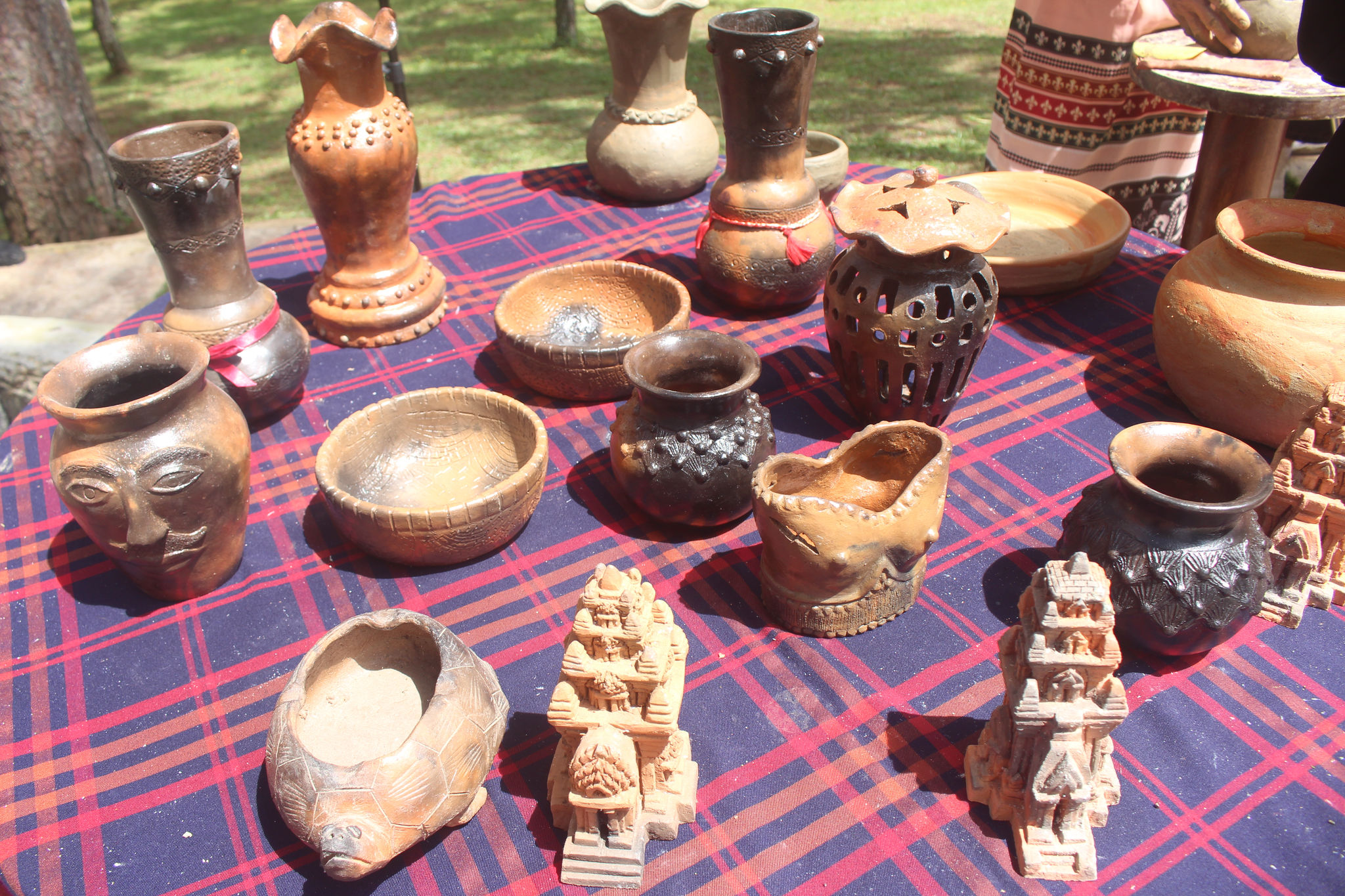
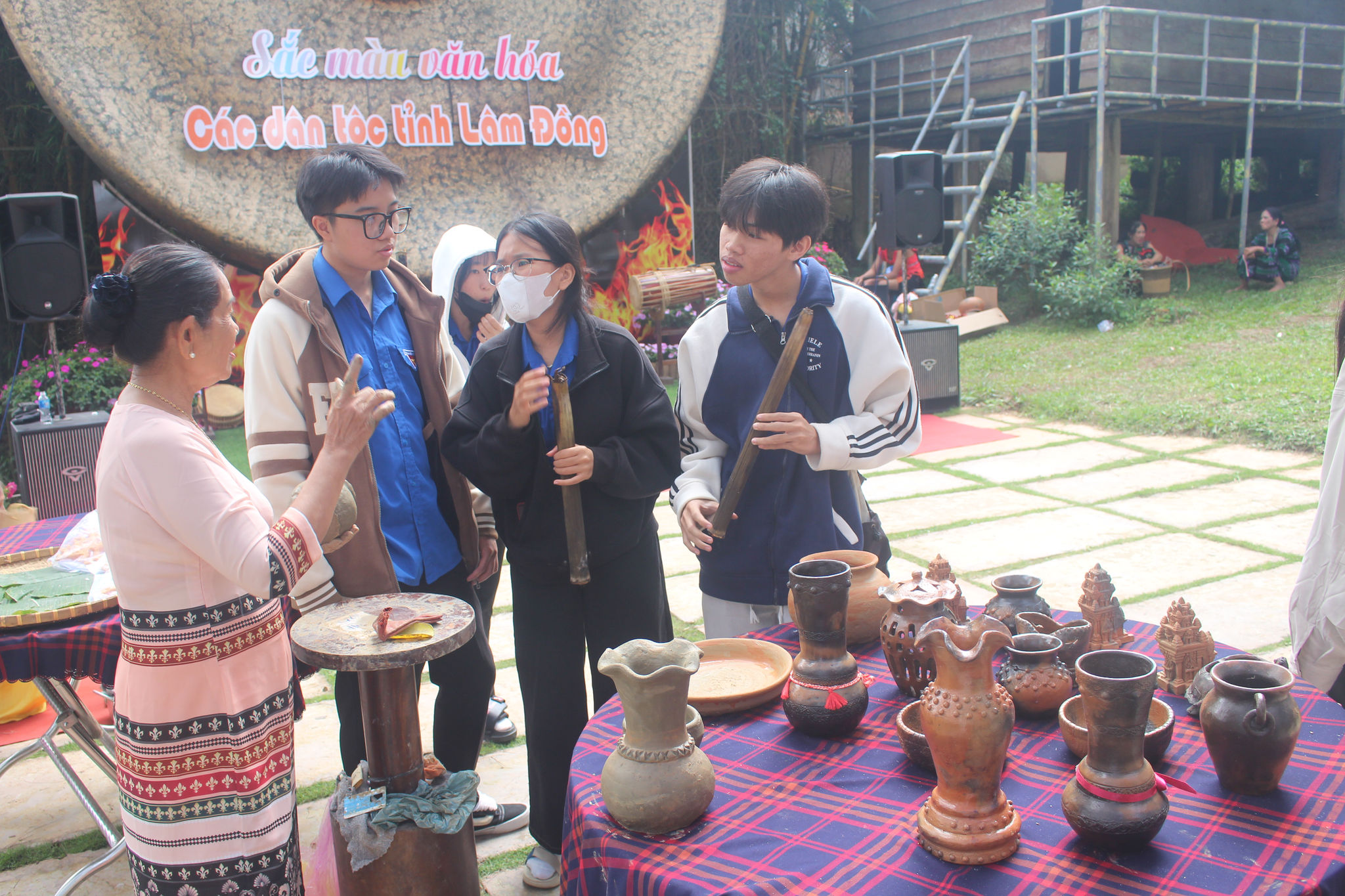
At the Binh Tien pottery village in Bac Binh Commune, artisan Luong Thi Hoa continues to make pottery in much the same way she has for the past 50 years. She still uses the traditional technique of turning the pottery by hand while shaping it, and still fires the pieces using wood.
But to keep the craft alive in modern life, she has moved beyond traditional products such as pots, cooking vessels, kettles, cups, jars and vases, which face stiff competition from household products made of aluminum, stainless steel and plastic. Instead, she has transformed the craft into souvenirs, decorative items and handicrafts.
Rather than copying existing designs, she creates patterns and motifs from her own inspiration, stylizing cultural symbols such as Cham towers, lingam-yoni motifs, basket boats and fish. This gives her work a distinctive character.
“Tourists really like items that combine cultural value with practicality. They are familiar and easy to use, and can be displayed on a table, a bookshelf or a wall, carried home or given as gifts,” artisan Luong Thi Hoa said.
The traditional craft techniques have been retained, while the functions and forms of the products have been renewed, allowing traditional pottery to remain part of contemporary life.
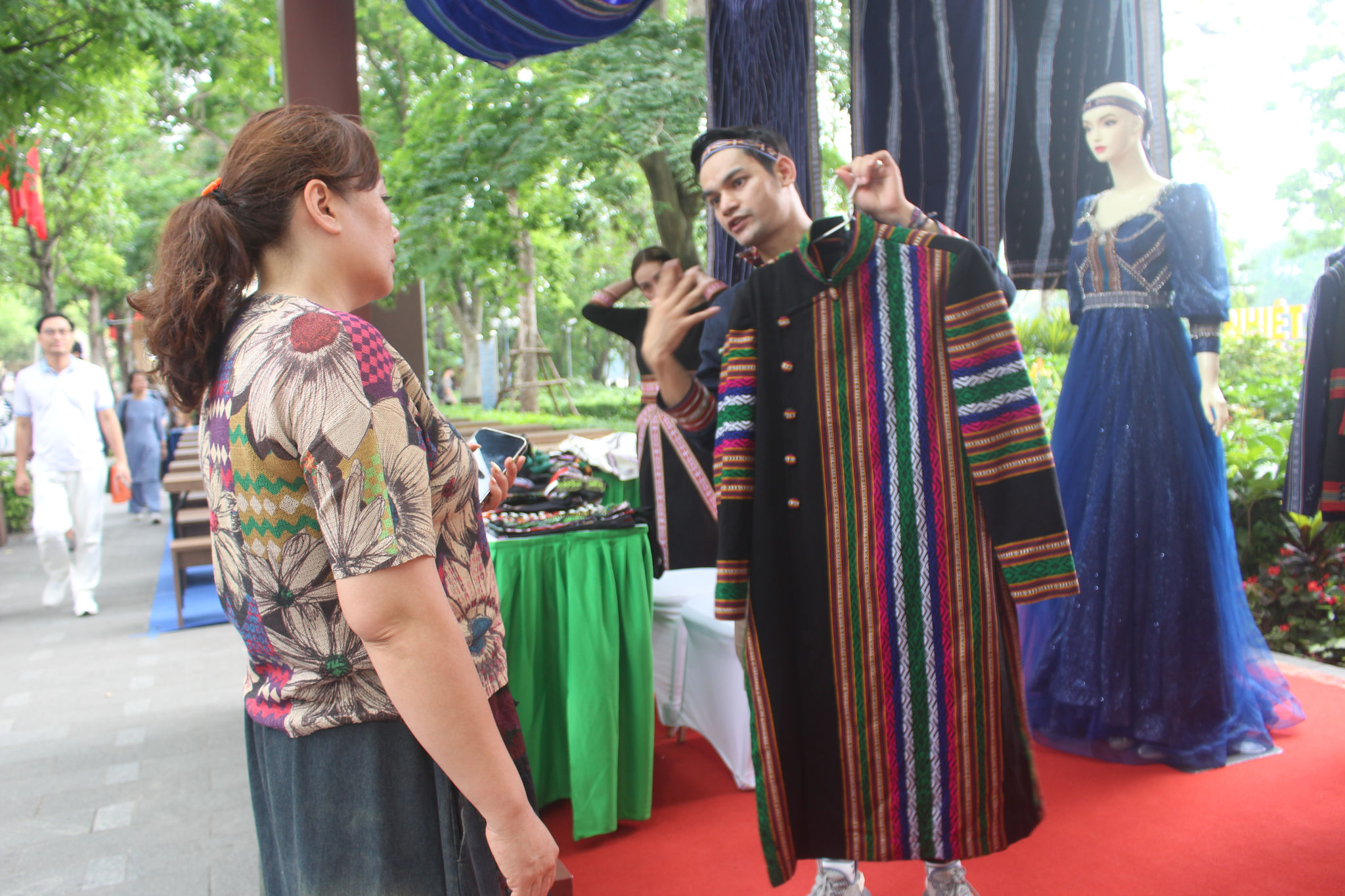
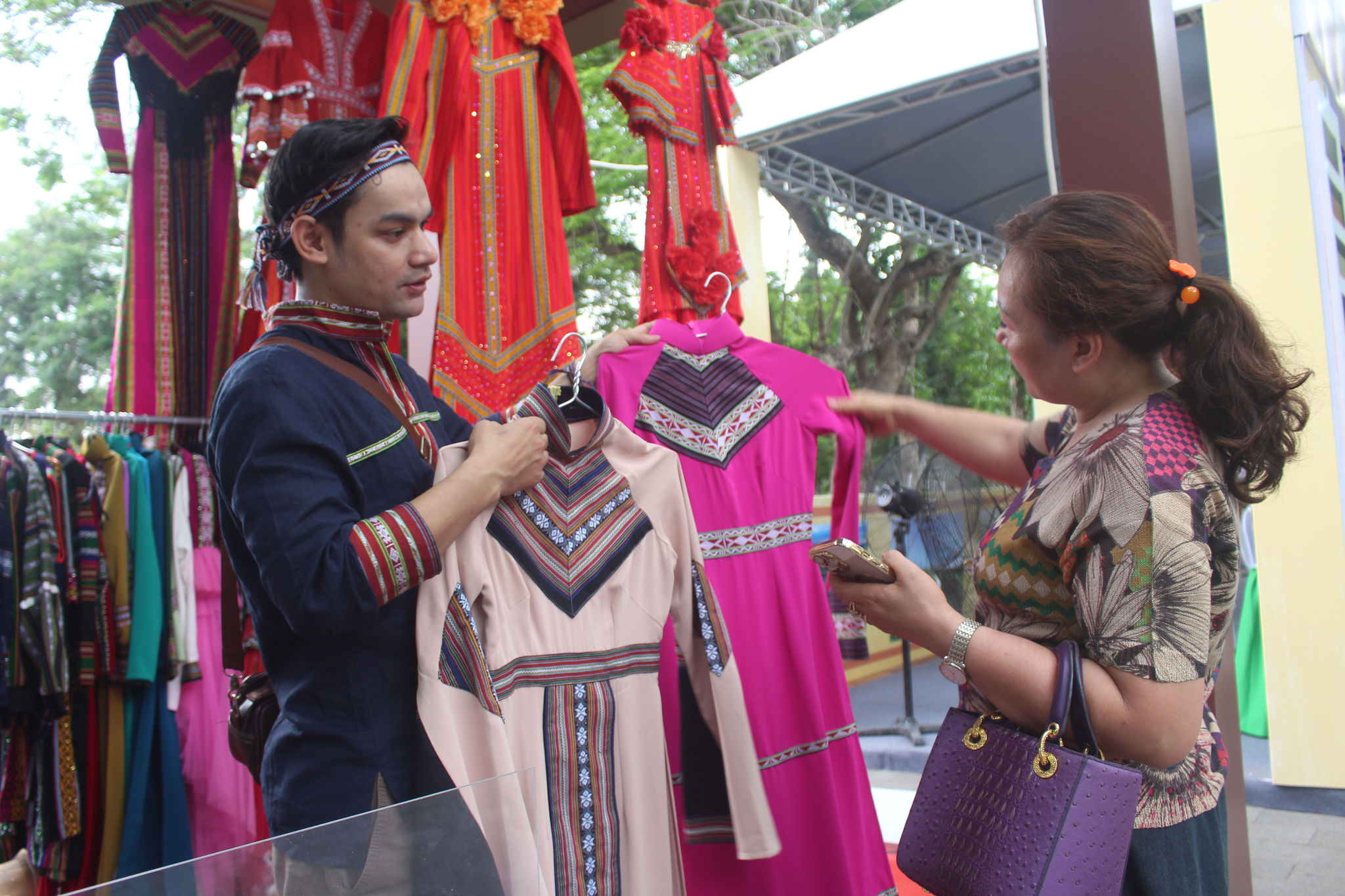
Seeking to bring the brocade of the K’ho, Ma and M’nong ethnic communities to wider audiences, designer K’Jona has combined traditional brocade with other fabrics and silk to create dresses and ao dai with greater practicality and a stronger appeal to contemporary fashion tastes.
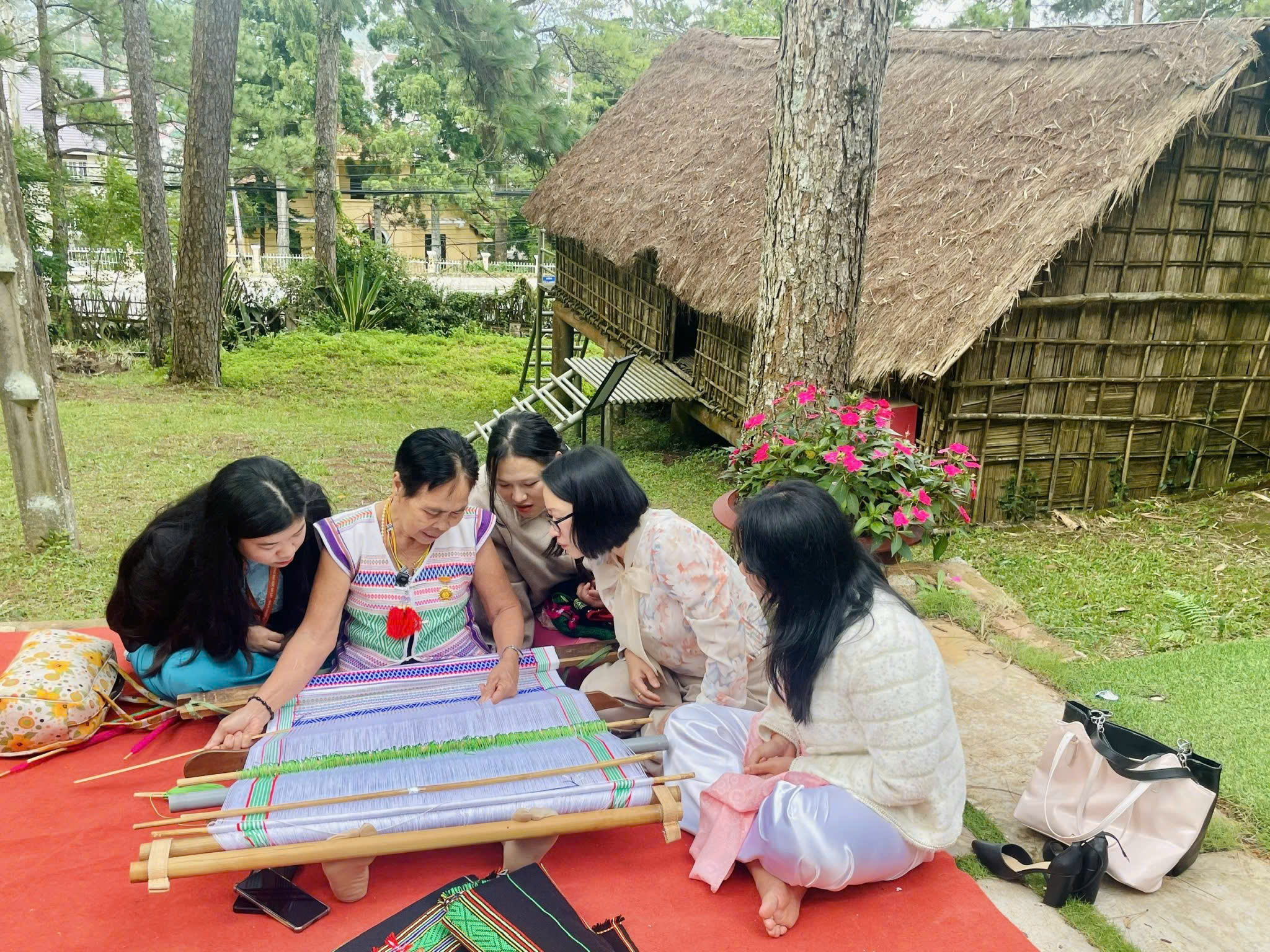
Alongside these innovations, traditional brocade villages such as Da Nghich, Dam Pao, Pi Nao, B’No, Dung K’No and Con O continue to preserve their simple bamboo and rattan looms, as well as the patterns and motifs passed down through generations.
When brocade becomes glamorous dresses on international fashion runways, traditional values are not lost. Instead, they gain a new space in which their beauty can be showcased.
As a young musician with formal training, Brice Liem Dagout returned to Bon Dung, Lang Biang - Da Lat Ward, where he restored traditional stilt houses, created a gong culture space and introduced his ethnic community’s cultural identity to visitors.
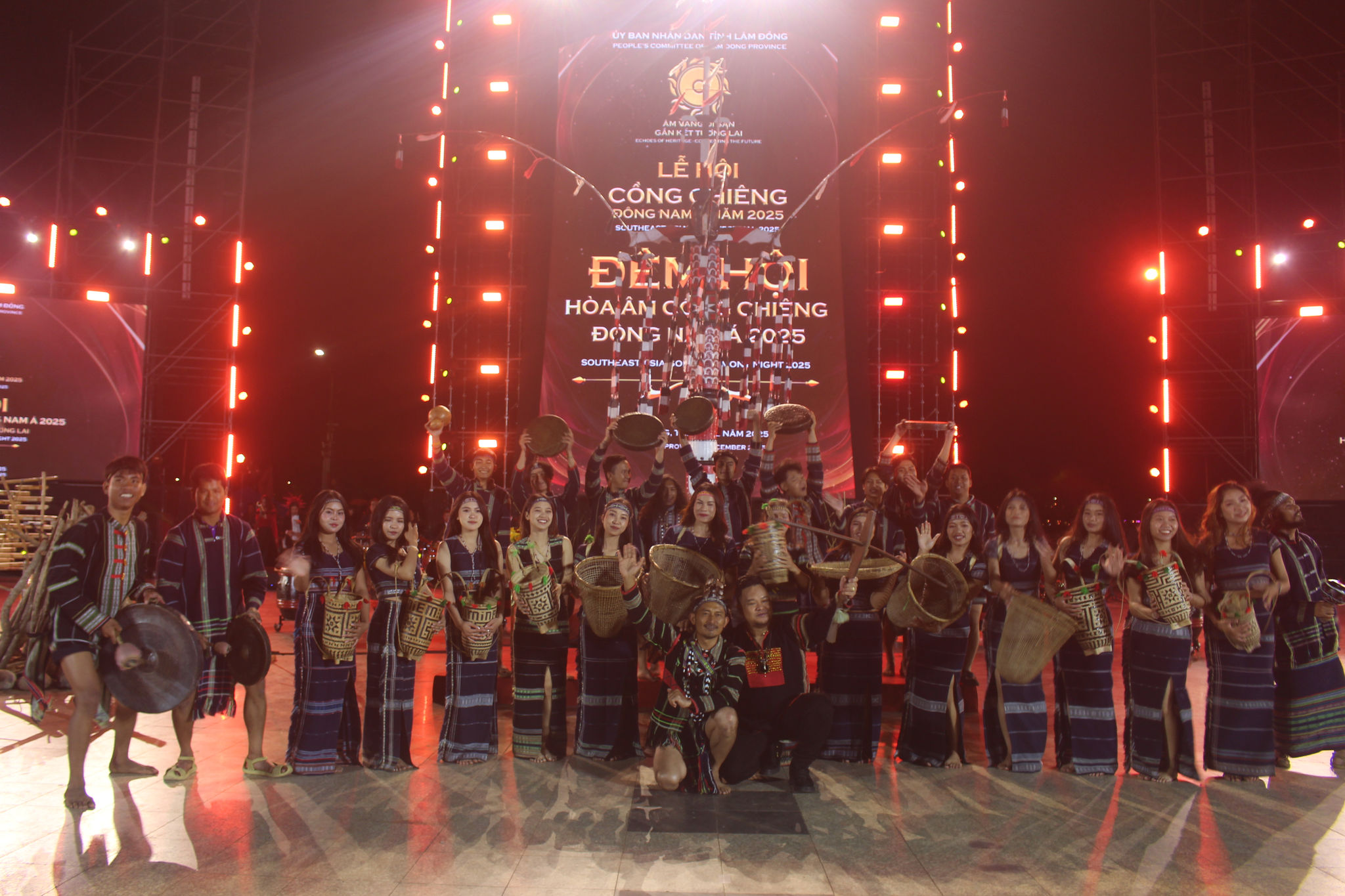
Alongside traditional gong pieces and passionate xoang dances around the fire, he has combined gong music with bamboo, stone and other traditional instruments, as well as folk songs and lullabies.
The distinctive sound of the gongs remains, as does the cultural space in which the music originated. But creative staging, choreography and arrangements, together with familiar performance props such as baskets, crossbows, fish traps and brocade, have created vibrant performances that remain deeply rooted in cultural identity.
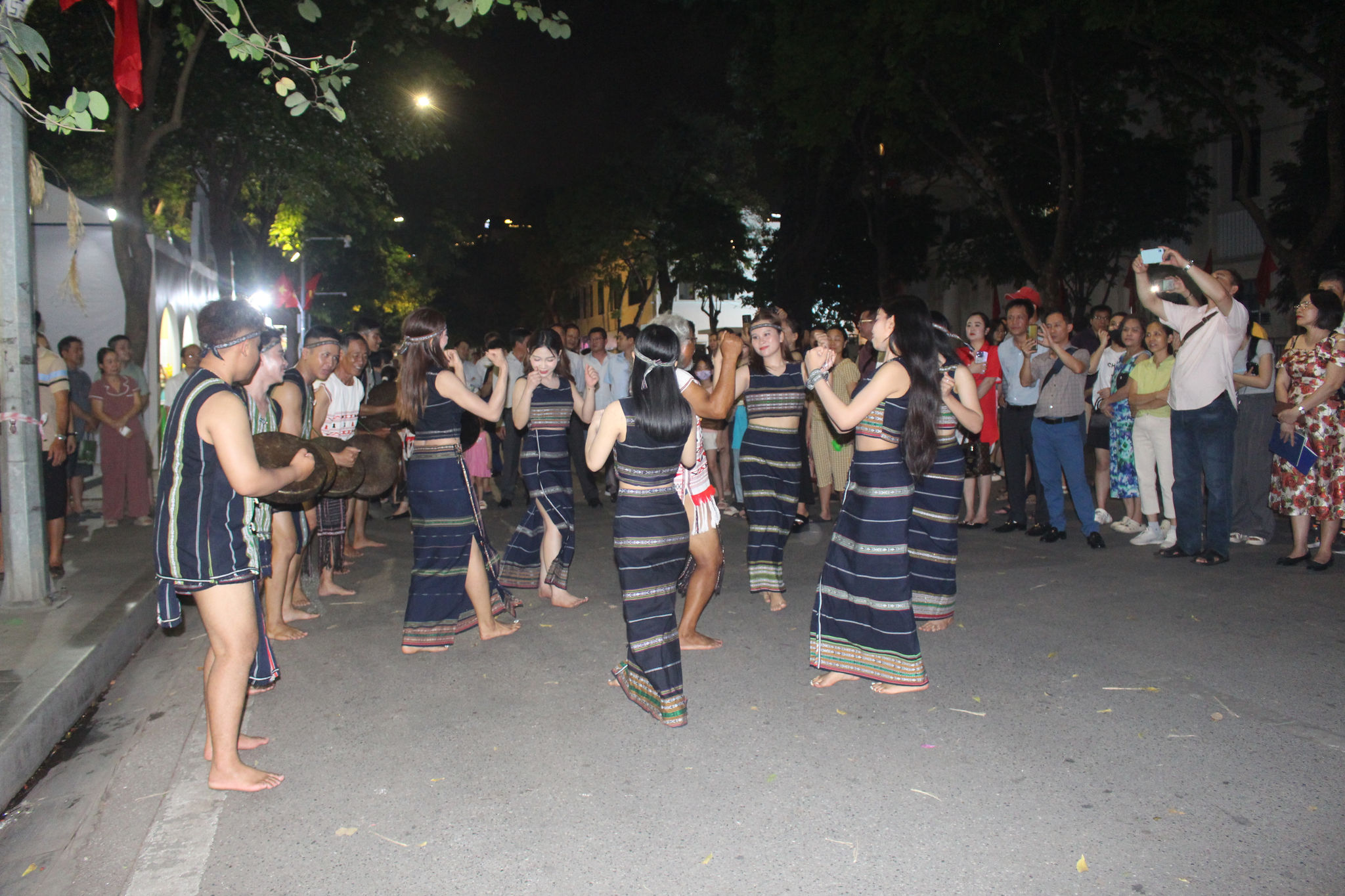
At Pi Nao village in Nhan Co Commune, a gong club led by artisan Y Lanh has restored traditional gong pieces and taught them to younger generations.
For nearly 20 years, sounds once thought to be at risk of disappearing have continued to be passed down.
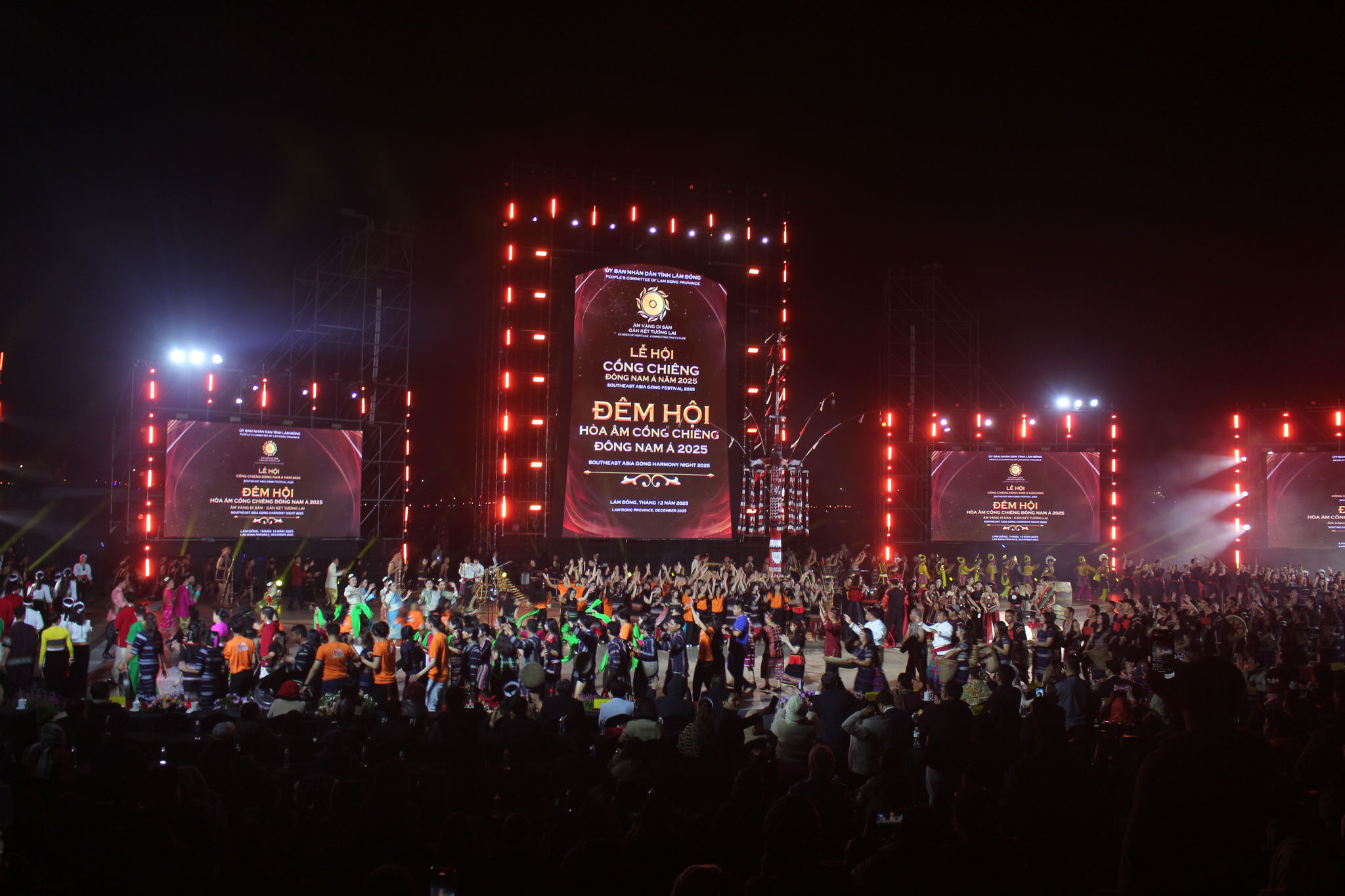
Artisan Y Lanh said he was proud when M’nong gong music was performed at the Southeast Asian Gong Concert in late December 2025, alongside 500 artisans from ethnic communities and countries across the region.
Bringing gong music into new spaces does not mean losing its identity. Instead, it affirms the distinctive character of M’nong gong music amid a rich diversity of sounds.
Musician Cao Nguyen, Head of the Lam Dong branch of the Vietnam Musicians’ Association, said that in the past, gong music was performed mainly during festivals in village communities, associated with agricultural cycles and serving as a link with the spiritual world.
Today, gongs can be performed in five-star hotels and even become a form of street music. They can also serve as compelling material for developing the nighttime tourism economy in a UNESCO Creative City of Music.
Performance spaces may change, but the distinctive sound, traditional pieces and methods of transmission must be preserved.
For gong music to reach wider audiences, the process must begin with teaching younger generations — from learning to hear and distinguish individual gong sounds and mastering techniques such as striking, rubbing, opening and cupping the palm to create resonance, to learning traditional pieces.
When the community is simultaneously the creator, transmitter and beneficiary of its culture, that culture has the ability to renew itself.
Cultural values can then be performed for tourism, create livelihoods, nurture pride and provide an environment for future generations to carry them forward.
Clearly, amid integration and cultural exchange, each form of culture has its own way of adapting.
Preservation does not mean putting culture in a box. Development does not mean changing everything.
What needs to change is how culture is presented to the public; what must be preserved is the cultural core that defines its identity.
To promote the value of culture, we must preserve its roots.
Artisan Y Lanh – Head of the Gong Club in Pi Nao village, Nhan Co Commune
Defining Identity for Development in Lam Dong
In recent years, Lam Dong’s cultural sector has organized numerous activities to preserve cultural heritage, including traditional costume competitions, gong performances and traditional food events.
These are not merely performance activities. They also provide opportunities to identify, document and correct practices that distort cultural identity.
According to Hoang Manh Tien, former Director of the Lam Dong Provincial Cultural Center and a long-time advocate of cultural heritage preservation, these activities help clarify which values need to be preserved.
For gong music, performance groups continue to perform traditional pieces while paying close attention to the musical scale of each gong in the six-gong set.
Traditional costumes are also being adapted, with brocade incorporated into workwear, wedding attire and evening dresses.
In cuisine, natural ingredients and traditional cooking methods — including open-fire grilling, bamboo-tube cooking, wrapping food in leaves, cooking in ash and pounding ingredients — are retained, while presentation methods and preparation times are adjusted to suit tourism services.
This process also helps identify and promptly correct deviations from traditional identity, such as using industrial fibers that obscure the distinctive characteristics of brocade, combining the traditional attire of one ethnic group with the cultural identity of another, or performing gong music with incorrect tones.
Amid integration, understanding who we are and which values define our identity should come before embracing new influences.
Culture is not only something to be appreciated. It can also become a form of soft power, a source of products, livelihoods and economic value.
Lam Dong is developing a project for the development of the cultural industries through 2030, with a vision to 2045. The project aims to place the development of the cultural industries within a framework that connects heritage preservation, cultural identity and people, while building value chains linking culture with tourism and the local economy.
From the blue sea to the highlands, cultural currents are coming together, complementing and enriching one another.
By preserving core values, renewing forms of expression, bringing culture into everyday life and creating new livelihood opportunities, Lam Dong is seeking ways to keep these cultural sources flowing and flourishing across its expanded territory.
Part 1: Where Cultural Regions Meet
Part 2: From Cultural Currents to Tourist Flows
Resolution No. 80-NQ/TW of the Politburo on the development of Vietnamese culture emphasizes the need to harmoniously address the relationship between tradition and modernity, as well as between preservation and development. It also calls for the development of the cultural industries and the sustainable promotion of heritage values, while addressing the tendency toward commercialization and an excessive focus on economic benefits in cultural activities.